
LankaTrip Insights

13 min read

Best Beaches in Sri Lanka in 2026: The Complete Coastal Guide for Every Traveler

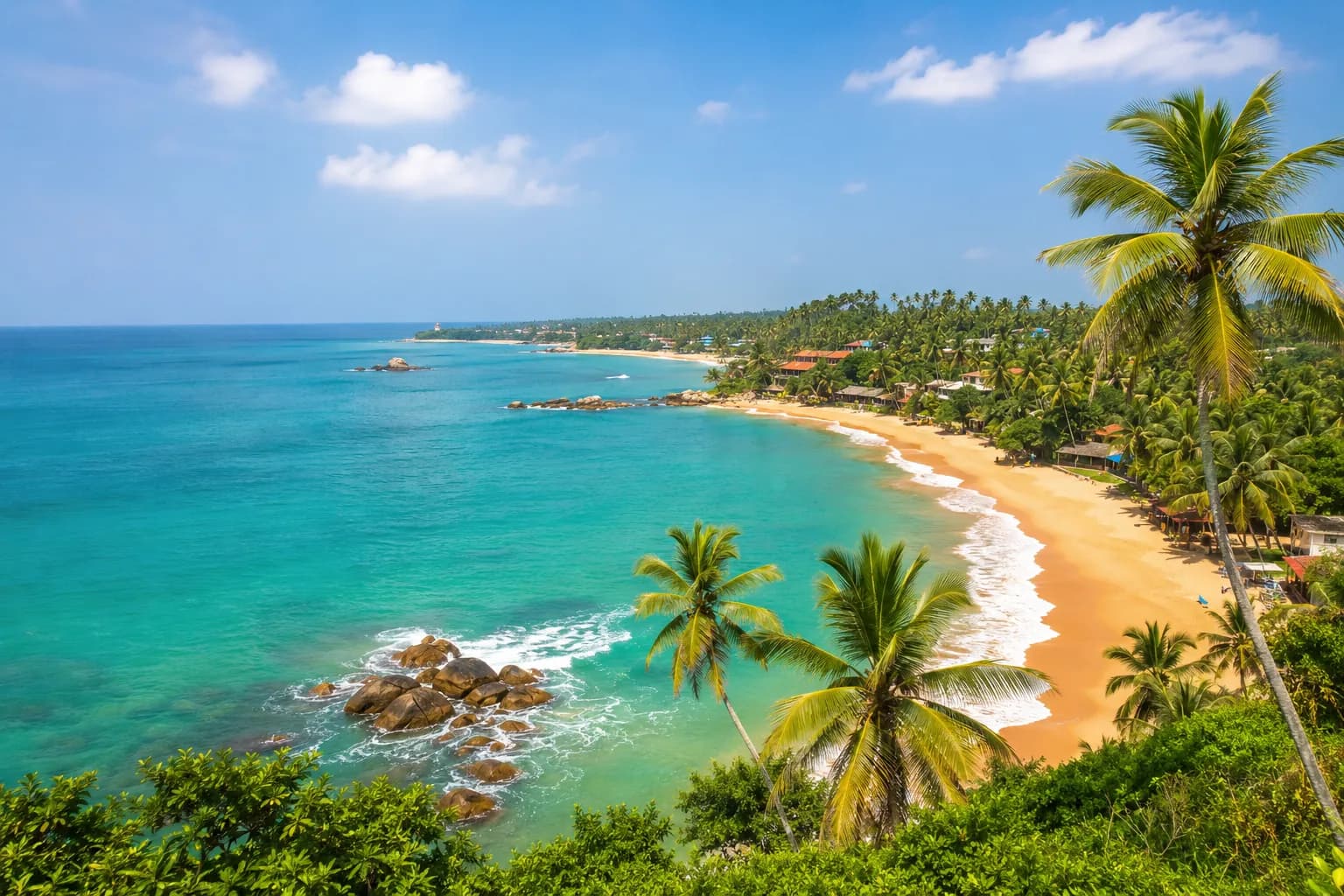
Sri Lanka packs over 1,300 kilometres of coastline into one small island, with two separate beach seasons and a beach for every kind of traveler. Here is how to pick the right one in 2026.

Back to blog
Best Beaches in Sri Lanka in 2026: The Complete Coastal Guide for Every Traveler

Sri Lanka does not hand its beaches to visitors all at once. Unlike islands where every beach shares one climate and one season, Sri Lanka sits at a crossroads of two monsoon systems, which means it effectively runs two separate beach seasons on two different coasts at the same time.

While the south and west coasts bake under clear December skies, the east coast can still be finishing its rainy months. Six months later, the pattern flips. Understanding this rhythm is the single most useful thing a traveler can learn before booking a Sri Lankan beach holiday.

Beyond timing, the island's more than 1,300 kilometres of coastline hold real variety. Mirissa's crescent bay is built for whale watching and sunset cocktails. Arugam Bay is a surf town first and a beach second. Nilaveli and Pigeon Island reward snorkellers and divers. Rekawa protects nesting sea turtles. Hiriketiya has become a magnet for yoga retreats and slow mornings.

This guide walks through the best beaches on every coast, when to visit each one, what to do there, and how to plan a trip that lines up the right beach with the right season.

Quick Summary

  • The south and west coasts (Mirissa, Unawatuna, Weligama, Bentota, Hikkaduwa) are calmest from December to April
  • The east coast (Arugam Bay, Nilaveli, Pasikuda) is calmest from May to September
  • Mirissa is Sri Lanka's main whale watching hub, best from December to April
  • Arugam Bay is the country's premier surf town, best from May to October, with July and August the most consistent
  • Weligama and Hiriketiya suit beginner surfers, while Arugam Bay Main Point suits experienced surfers
  • Rekawa Beach offers guided sea turtle nesting watches
  • Pigeon Island near Nilaveli is one of the best snorkelling spots in the country
  • Always check for lifeguards, flags, and local advice before swimming, since currents vary widely by beach

Why Sri Lanka Has Two Different Beach Seasons

Sri Lanka's weather is shaped by two monsoons that arrive from opposite directions at different times of year.

The southwest monsoon brings rain and rough seas to the south and west coasts roughly from May to September, while the northeast monsoon does the same to the east coast roughly from October to January.

In practice, this means the south and west coasts, home to Mirissa, Unawatuna, Weligama, Bentota, and Hikkaduwa, are calmest and driest from December through April.

The east coast, home to Arugam Bay, Nilaveli, and Pasikuda, flips the pattern, with its best conditions running from around May through September.

April and October act as shoulder months when both coasts can offer decent conditions, though results are less predictable than in the core season for each coast.

Choosing a coast that matches your travel dates matters more in Sri Lanka than in many other beach destinations, since visiting the wrong side at the wrong time can mean grey skies, strong currents, and closed water sports.

South and west coast season: December to AprilEast coast season: May to SeptemberApril and October are shoulder monthsCurrents and swell size change by seasonMatch your coast to your travel dates

The South and West Coast: Sri Lanka's Classic Beach Run

The stretch running from Bentota down through Galle to Mirissa and on to Tangalle is where most first-time visitors experience Sri Lanka's beaches.

This coast is easy to travel along, with the coastal railway line, the Southern Expressway, and a steady string of guesthouses, boutique hotels, and beach cafés connecting one bay to the next.

Mirissa is the best-known stop, famous for whale watching boat trips and a laid-back, palm-lined shoreline that fills with beach bars after sunset.

Unawatuna and neighbouring Dalawella sit inside a reef-protected bay, making them some of the calmest and most family-friendly waters on the island, with frequent sea turtle sightings close to shore.

Weligama has become the country's most popular place to learn to surf, thanks to a wide, gently sloping beach and a cluster of surf schools suited to complete beginners.

Hikkaduwa keeps the liveliest nightlife of the group, with a coral sanctuary just offshore, while Bentota is geared toward families and honeymooners with larger resorts and water sports like jet skiing.

Further southeast, Tangalle, Goyambokka, and Hiriketiya offer a quieter, slower pace, with Hiriketiya in particular popular among surfers, digital nomads, and yoga travelers drawn to its horseshoe-shaped bay.

Mirissa for whale watching and sunsetsUnawatuna and Dalawella for calm, family-friendly waterWeligama for beginner surf lessonsHikkaduwa for nightlife and a coral sanctuaryBentota for resorts and water sportsTangalle and Hiriketiya for a quieter pace

The East Coast: Surf, Coral, and Fewer Crowds

The east coast rewards travelers whose schedule lines up with its May to September season, offering calmer seas, clearer skies, and noticeably thinner crowds than the south during the same months.

Arugam Bay is the headline destination, internationally recognised as one of Asia's best surf towns, built around a long right-hand point break known simply as Main Point.

Trincomalee and nearby Nilaveli offer a different pace, with calmer swimming beaches and easy boat access to Pigeon Island National Park, one of the best snorkelling spots in Sri Lanka.

Pasikuda and Kalkudah are known for unusually shallow, gentle water that extends far from shore, making them a comfortable choice for young children and hesitant swimmers.

Kalpitiya, on the northwestern coast, follows its own separate wind pattern and has grown into the country's main kitesurfing destination, with a season centred on the mid-year southwest monsoon winds.

Because the east coast sees far fewer international visitors than the south, infrastructure is simpler in places, so travelers should book accommodation and transport a little further ahead outside the main towns.

Arugam Bay for world-class surfingNilaveli and Pigeon Island for snorkellingPasikuda and Kalkudah for shallow, calm waterKalpitiya for kitesurfingFewer crowds than the south coast in season

Whale Watching in Mirissa

Mirissa has built its international reputation largely on whale watching, and boat operators here report regular sightings of blue whales, the largest animal on Earth, alongside sperm whales and pods of spinner dolphins.

The season runs roughly from November through April, overlapping with the calm south coast conditions that make boat travel safer and more comfortable.

Early morning departures, usually between 6 and 7 a.m., give the best chance of calm seas and active wildlife before the wind picks up later in the day.

Sightings are never guaranteed, since these are wild animals in open ocean, so it is worth choosing an operator with a reasonable track record and a clear policy on how they behave around whales.

Choose boats that keep a respectful distance from the animals, limit engine noise near pods, and avoid crowding a single whale with multiple vessels, since responsible operators protect both the animals and the experience for future visitors.

Season runs November to AprilBlue whales, sperm whales, and dolphinsEarly morning departures work bestChoose a responsible, respectful operatorSightings are not guaranteed

Surfing: Where to Go and When

Sri Lanka's surf calendar splits cleanly along the same two-coast, two-season pattern as its beaches.

From roughly November to April, the south coast holds the best conditions, with Weligama and Hiriketiya suited to beginners and Midigama and Hikkaduwa offering more challenging reef breaks for experienced surfers.

From roughly April or May through October, the action shifts to the east coast, where Arugam Bay's Main Point becomes one of the most talked-about right-hand breaks in Asia, with July and August typically bringing the most consistent, well-formed waves.

Beginners on the east coast are usually better served by gentler spots like Whisky Point or Peanut Farm rather than Main Point itself.

Shoulder months such as April and October occasionally offer surf on both coasts, but conditions are less predictable, so committed surfers should plan around the core season for whichever coast they choose.

Surf schools are widely available in Weligama, Hiriketiya, and Arugam Bay, with board rental, lessons, and camps aimed at every level from first-timers to advanced riders.

South coast surf season: November to AprilEast coast surf season: April/May to OctoberJuly and August peak at Arugam BayWeligama and Hiriketiya for beginnersMidigama and Main Point for experienced surfers

Sea Turtles and Coastal Wildlife

Beyond whales and waves, Sri Lanka's beaches support several species of nesting sea turtles, and Rekawa Beach on the south coast is one of the best places to responsibly observe this.

Guided night walks, typically run by local conservation groups, allow small groups to watch turtles come ashore to lay eggs, usually strongest during the nesting season from around April to September.

Turtle encounters also happen casually while swimming or snorkelling at reef-protected bays such as Dalawella, where green turtles are frequently seen feeding close to shore.

Pigeon Island National Park off Nilaveli protects coral reefs, reef sharks, and a wide range of tropical fish, making it one of the most rewarding easy snorkelling trips on the island.

Always follow guide instructions around nesting turtles: no flash photography, no touching, and no artificial light directed at the beach, since disturbance can cause turtles to abandon nesting attempts.

Rekawa Beach for guided turtle nesting watchesTurtle nesting season roughly April to SeptemberDalawella for casual turtle sightings while swimmingPigeon Island for reef snorkellingFollow guide rules to avoid disturbing wildlife

Beach Safety: Currents, Flags, and Common Sense

Not every beach in Sri Lanka is safe for casual swimming, and drowning incidents involving tourists are reported most years, usually linked to strong rip currents rather than any single beach.

Reef-protected bays such as Unawatuna, Dalawella, and Pasikuda tend to be calmer and more forgiving, while open, unprotected stretches of coast can develop powerful currents with little warning, especially outside the core season.

Look for lifeguard stations and coloured flag systems where they exist, and treat a red flag or an empty lifeguard tower as a real warning rather than a formality.

Ask locally before swimming somewhere unfamiliar, since guesthouse staff and lifeguards usually know which sections of a beach are safe on any given day and which are not.

Strong swimmers should still avoid swimming alone, swimming at night, or entering the water after heavy rain when currents and river outflow can change conditions quickly.

Rip currents are the main safety riskReef-protected bays are generally calmerRespect flags and lifeguard warningsAsk locally about conditionsAvoid swimming alone or at night

How to Choose the Right Beach for You

With so many options, the fastest way to narrow things down is to start with what you actually want from the beach, rather than a list of names.

Families with young children tend to do best at Bentota, Pasikuda, or Unawatuna, where the water is calm and facilities are well developed.

First-time surfers should look at Weligama or Hiriketiya on the south coast, or Whisky Point and Peanut Farm on the east coast during its season.

Travelers chasing wildlife should centre a trip on Mirissa for whales, Rekawa for turtles, and Pigeon Island for reef life.

Those wanting nightlife and a social atmosphere usually gravitate toward Mirissa, Hikkaduwa, or Arugam Bay, while travelers wanting quiet and space are better served by Tangalle, Goyambokka, or Nilaveli.

It is entirely possible to combine two or three of these in one trip, especially along the well-connected south coast, but the east coast usually deserves its own dedicated leg of the journey given the extra travel time involved.

Families: Bentota, Pasikuda, UnawatunaBeginner surfers: Weligama, Hiriketiya, Whisky PointWildlife: Mirissa, Rekawa, Pigeon IslandNightlife: Mirissa, Hikkaduwa, Arugam BayQuiet escapes: Tangalle, Goyambokka, Nilaveli

Getting Between Sri Lanka's Beaches

The south coast is the easiest to travel along, connected by the coastal railway line between Colombo and Galle, and by the Southern Expressway for faster road journeys.

The scenic coastal train between Colombo and Galle or Matara is a popular and affordable way to move between beach towns, though seats can sell out on weekends and holidays.

The east coast requires more planning, since Arugam Bay, Trincomalee, and Pasikuda are a longer drive from Colombo, typically five to seven hours depending on the destination and road conditions.

Private drivers and tuk-tuks are widely available for short hops between beaches within the same town, while intercity travel is usually done by private car, bus, or, on the south coast, train.

Travelers planning to see both coasts in one trip should budget a full travel day for the transition and consider routing through the hill country or cultural triangle rather than doubling back along the same road.

Coastal train links Colombo, Galle, and the southSouthern Expressway speeds up south coast travelEast coast is a 5 to 7 hour drive from ColomboTuk-tuks work well for short local hopsBudget a full day to switch coasts

Travel Tips

  • Match your coast to the season: south and west from December to April, east from May to September
  • Book Mirissa whale watching trips through operators with a clear responsible-wildlife policy
  • Bring reef-safe sunscreen to protect coral at snorkelling spots like Pigeon Island
  • Ask locally about currents before swimming at an unfamiliar beach
  • Pack light layers, since beach evenings can be breezy even in the tropics
  • Book the coastal train in advance for weekend and holiday travel
  • Carry cash for tuk-tuks, small cafés, and beach vendors
  • Respect turtle nesting rules: no flash photography, no touching, no lights on the sand at night
  • Allow a full travel day when switching between the south and east coasts
  • Check surf school and dive operator certifications before booking lessons or trips

Frequently Asked Questions

What is the best beach in Sri Lanka overall?

There is no single best beach, since it depends on what you want. Mirissa is the top choice for whale watching and atmosphere, Unawatuna and Dalawella for calm family swimming, Arugam Bay for surfing, and Nilaveli's Pigeon Island for snorkelling.

When is the best time to visit Sri Lanka's beaches?

It depends on the coast. The south and west coasts, including Mirissa, Unawatuna, and Weligama, are best from December to April. The east coast, including Arugam Bay and Nilaveli, is best from May to September.

Can I see both coasts in one trip?

Yes, but plan carefully around the seasons and allow a full travel day to move between coasts. Many travelers combine a south coast beach stay with an east coast leg later in the same trip, timed to each coast's dry season.

Is Sri Lanka good for beginner surfers?

Yes. Weligama and Hiriketiya on the south coast, and Whisky Point and Peanut Farm on the east coast, all have gentle, forgiving waves and established surf schools suited to first-timers.

When can I see whales in Mirissa?

The whale watching season in Mirissa generally runs from November to April, with early morning boat departures offering the best chance of calm seas and sightings.

Are Sri Lanka's beaches safe for swimming?

Many are, but rip currents can be strong at some open beaches, particularly outside the calm season. Reef-protected bays such as Unawatuna and Pasikuda are generally calmer. Always check for lifeguards, flags, and local advice before swimming.

Where can I see sea turtles in Sri Lanka?

Rekawa Beach on the south coast offers guided nesting watches during the season, roughly April to September. Green turtles are also commonly seen while swimming or snorkelling at Dalawella and other reef-protected bays.

Is Arugam Bay only for surfers?

No. While it is best known as a surf town, Arugam Bay also has a relaxed beach town atmosphere with restaurants, guesthouses, and nearby lagoons and wildlife spots worth visiting even for non-surfers.

Reader notes

Join the conversation

Share your question, tip, or travel experience for this guide.

Comments

0 comments

Loading...

Ready to turn inspiration into a Sri Lanka trip?

Use LankaTrip to plan your journey, connect with local guides, and make this itinerary a reality.

Need help planning?

Plan your Sri Lanka adventure

Plan my trip