
LankaTrip Insights

12 min read

Udawalawe and Wilpattu in 2026: Sri Lanka's Other Safari Parks Worth the Detour

Yala gets the headlines, but Udawalawe's open grasslands and Wilpattu's mirror-like villus offer two of Sri Lanka's most rewarding, less crowded safari experiences in 2026.

Back to blog
Udawalawe and Wilpattu in 2026: Sri Lanka's Other Safari Parks Worth the Detour

Ask most first-time visitors to name a Sri Lankan safari park and the answer is almost always Yala. Yala earns its reputation, but its popularity also means crowded roads, jeep convoys around a single leopard, and a booking calendar that fills up fast in peak season.

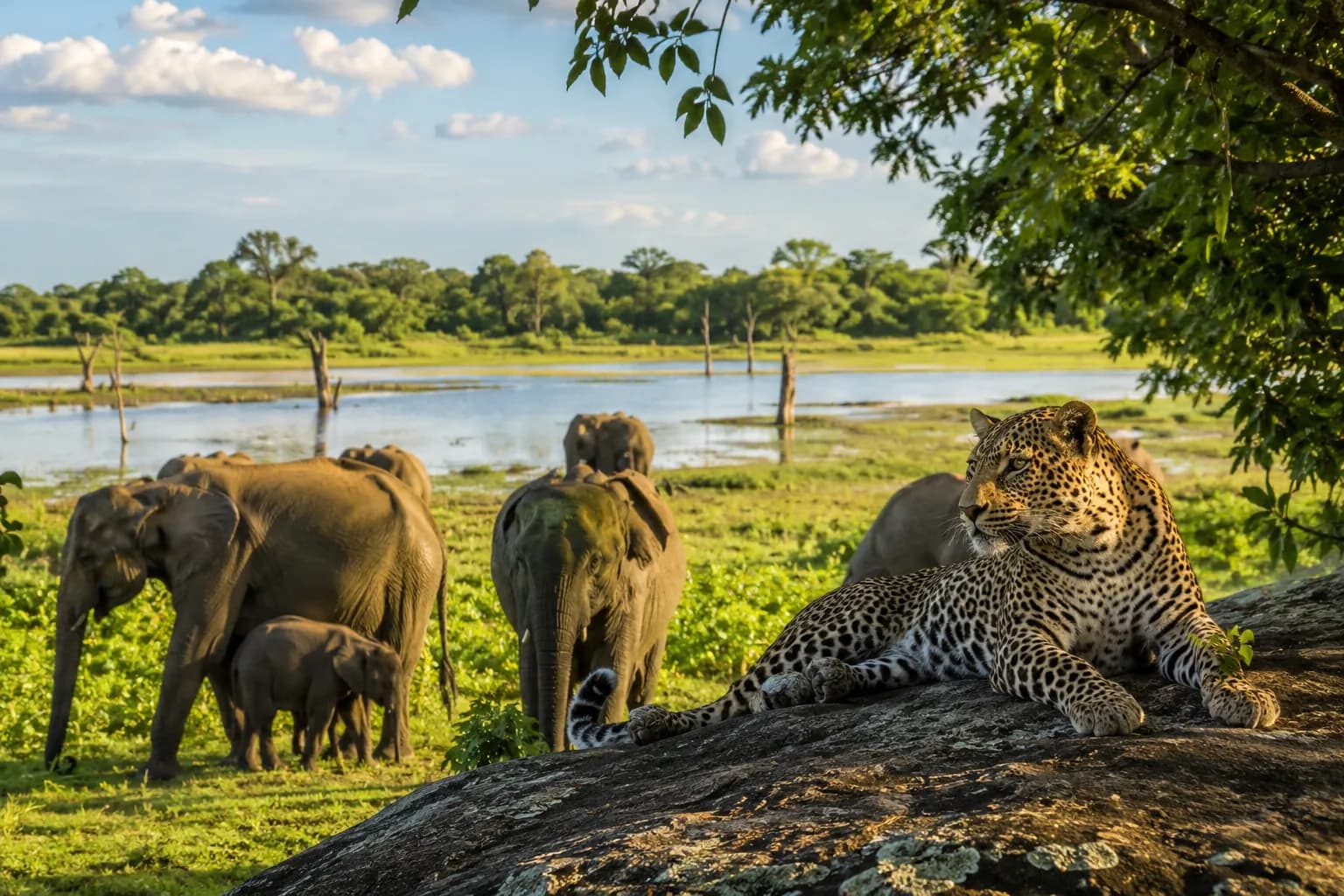
Two other parks quietly do just as much, if not more, for travelers willing to look past the obvious choice. Udawalawe, in the south, is arguably the single best place in the world to reliably see wild Asian elephants in open, uncrowded grassland. Wilpattu, tucked into the dry northwest, is Sri Lanka's largest national park and one of its best for leopard sightings, thanks to a landscape of scrub forest and shimmering natural lakes called villus.

Neither park requires giving up wildlife quality for a quieter experience. If anything, both often deliver a more intimate, less rushed encounter than a peak-season Yala safari.

This guide walks through what each park offers, when to go, what it costs, and how to decide which one, or both, deserves a place on your Sri Lanka itinerary.

Quick Summary

  • Udawalawe is Sri Lanka's most reliable park for wild elephant sightings, home to an estimated 250 or more resident elephants
  • Wilpattu is Sri Lanka's largest national park and one of the best places on the island to see wild leopards
  • Wilpattu's villus, shallow natural lakes, are its defining landscape feature and a magnet for wildlife
  • Both parks see far fewer jeeps than Yala, making for a calmer, less crowded safari
  • Udawalawe sits conveniently between the south coast and the hill country
  • Wilpattu pairs naturally with Anuradhapura and the Cultural Triangle
  • Morning safaris generally offer cooler temperatures and more active wildlife at both parks

Udawalawe National Park: Sri Lanka's Elephant Capital

Udawalawe National Park covers roughly 308 square kilometres of open grassland, scrub forest, and reservoir shoreline along the boundary of the Sabaragamuwa and Uva Provinces.

The park is home to an estimated 250 or more resident wild elephants, giving it one of the most consistent elephant sighting records of any safari destination in the world.

Its landscape is notably more open than Yala or Wilpattu, with fewer dense forest patches, which makes spotting elephants, water buffalo, and birdlife considerably easier even for first-time safari-goers.

The Udawalawe Reservoir at the heart of the park draws large numbers of elephants to its shoreline, especially during hotter, drier stretches of the year when herds gather to drink and bathe.

Beyond elephants, the park supports crocodiles, sambar and spotted deer, water buffalo, and more than 180 recorded bird species, along with occasional sightings of leopard and sloth bear.

250+ resident wild elephantsOpen grassland makes spotting easierReservoir shoreline draws large herds180+ recorded bird speciesOne of the most reliable elephant safaris anywhere

Wilpattu National Park: Sri Lanka's Largest Wilderness

Wilpattu is Sri Lanka's largest national park, covering more than 1,300 square kilometres of dry-zone scrub forest between Puttalam and Anuradhapura.

Its defining feature is the villu, a natural, shallow, limestone-lined lake unique to this part of the island. Dozens of villus are scattered through the park, drawing elephants, water birds, and other wildlife to their edges, especially after rain.

Wilpattu has one of Sri Lanka's best reputations for leopard sightings, with the park's lower visitor numbers giving animals more room to move naturally, including resting on tracks or low branches close to safari vehicles.

The park also supports elephants, sloth bears, water buffalo, sambar and spotted deer, crocodiles, and a wide range of birdlife around its villus.

Because Wilpattu receives far fewer vehicles than Yala, sightings tend to feel calmer and less rushed. It is a better fit for travelers who value quiet, patient wildlife watching over guaranteed close-up encounters.

Sri Lanka's largest national park at over 1,300 sq kmVillus, natural lakes unique to the parkOne of the island's best leopard destinationsFewer jeeps than YalaElephants, sloth bears, and rich birdlife

What a Udawalawe Safari Is Like

Most Udawalawe safaris run as either a morning drive, starting around 6 a.m., or an afternoon drive from around 2:30 p.m., each lasting roughly three to four hours in a shared or private 4x4 jeep.

Morning safaris tend to catch cooler temperatures and more active wildlife, while afternoon safaris often end with elephants gathering at the reservoir as the day cools.

Because the terrain is so open, Udawalawe is considered one of the most reliable safari parks anywhere for guaranteed wildlife sightings, and operators frequently cite elephant sighting rates above 95 percent.

The park works well for families, first-time safari-goers, and travelers who prefer a calmer, more predictable wildlife experience over the thrill of tracking a single leopard.

The nearby Elephant Transit Home, which rehabilitates orphaned elephant calves before release, is a popular add-on for travelers based near the park.

Morning and afternoon safari slots available3 to 4 hour game drivesVery high elephant sighting rateGreat for families and first-timersElephant Transit Home nearby

What a Wilpattu Safari Is Like

Wilpattu is large enough that many visitors opt for a full-day safari, roughly 6 a.m. to 6 p.m., with a picnic breakfast and lunch inside the park, rather than a shorter half-day drive.

Half-day morning and afternoon safaris are also available and suit travelers on a tighter schedule or budget.

The park's scale and lower visitor density mean wildlife encounters can feel more private and unhurried, though it also means longer stretches of driving between sightings compared with a smaller park.

Leopard sightings are the main draw, and while never guaranteed, Wilpattu's reputation among experienced safari-goers and guides for leopard encounters rivals or exceeds Yala's, without the crowded viewing that can come with a well-known leopard sighting there.

The villus themselves are worth the visit even on a quieter wildlife day, offering some of the most striking scenery of any Sri Lankan national park, particularly at sunset.

Full-day and half-day safari optionsLonger drives between sightings than UdawalaweStrong leopard sighting reputationQuieter, less crowded viewingVillus offer standout sunset scenery

Entrance Fees and Safari Costs (2026)

Foreign adult entrance fees at Udawalawe run in the range of roughly USD 40 to 45 per person as of 2026, with reduced rates for children aged 6 to 12 and free entry for children under 6.

At Wilpattu, foreign visitors can expect an entrance fee in a broadly similar range, commonly cited around LKR 10,000 to 15,000, plus a separate jeep and guide fee.

On top of the park entrance fee, a shared or private 4x4 jeep with a driver typically adds a further cost per vehicle, which is more economical when split among a group.

Group safaris booked directly with local operators near either park gate are usually cheaper than safaris pre-booked through hotels or larger tour companies, though quality and vehicle condition can vary more.

Because entrance fees and taxes are revised periodically, always confirm current pricing directly with your safari operator, guesthouse, or the Department of Wildlife Conservation before booking.

Udawalawe entrance fee: approx. USD 40-45 per foreign adultWilpattu entrance fee: approx. LKR 10,000-15,000 per foreign adultJeep and guide costs are separate from entrance feesGroup safaris reduce per-person costConfirm current pricing before booking

Best Time to Visit Each Park

Udawalawe rewards visitors more or less year-round, since its open terrain keeps elephants visible even during wetter months, though the drier stretch from roughly May to September tends to concentrate more elephants around the reservoir as smaller waterholes dry up.

Wilpattu is generally at its best in the dry season, roughly May to September, when animals concentrate more predictably around the remaining villus that still hold water.

Both parks can be visited during the shoulder and wetter months, though tracks can become muddier and some sightings less predictable.

Early morning safaris at either park generally offer cooler temperatures, calmer light for photography, and more active wildlife than the middle of the day.

Public holidays and peak foreign tourist season, broadly December through April, bring more visitors and vehicles to both parks, though neither reaches Yala's crowd levels even at its busiest.

Udawalawe: good year-round, best around May-SeptemberWilpattu: best May-September dry seasonMorning safaris offer cooler, calmer conditionsDecember-April is the busiest tourist periodNeither park gets as crowded as Yala

Udawalawe or Wilpattu: How to Choose

If your priority is a near-guaranteed wildlife encounter, especially with elephants, and you want an easy, predictable safari for families or first-timers, Udawalawe is the stronger choice.

If you are chasing leopards specifically, or want the most spacious, least crowded safari experience on the island, Wilpattu is worth the extra travel time.

Location matters too. Udawalawe sits conveniently between the south coast and the hill country, making it an easy stopover between beach towns like Mirissa or Tangalle and destinations like Ella.

Wilpattu fits more naturally alongside Anuradhapura, Mihintale, and the rest of the Cultural Triangle, since it sits in the same northwestern dry-zone region.

Travelers with enough time on their itinerary do not need to choose only one. Combining a short Udawalawe stop while heading north or east from the south coast with a Wilpattu safari during a Cultural Triangle leg covers both elephant and leopard experiences without a major detour.

Udawalawe: best for guaranteed elephants, families, first-timersWilpattu: best for leopards and a quieter experienceUdawalawe pairs with the south coast and hill countryWilpattu pairs with Anuradhapura and the Cultural TriangleBoth can be combined on a longer itinerary

Getting to Udawalawe and Wilpattu

Udawalawe is roughly a 3 to 4 hour drive from Colombo, and considerably closer from south coast towns such as Mirissa, Tangalle, or Galle, making it an easy stopover rather than a dedicated day trip from the capital.

Public buses connect nearby towns like Embilipitiya to Udawalawe, though most travelers arrange a private driver, tour, or hotel transfer for convenience given the early safari start times.

Wilpattu is roughly a 3 to 4 hour drive from Colombo and about 30 to 45 minutes from Anuradhapura, making it a natural add-on to a Cultural Triangle itinerary.

Both parks have multiple entrance gates; confirm which gate your safari operator uses, since it affects pickup logistics and driving time from your accommodation.

Given the early start times most safaris require, staying overnight near the park gate the night before is usually more comfortable than a long same-day transfer from Colombo.

Udawalawe: 3-4 hours from Colombo, closer from the south coastWilpattu: 3-4 hours from Colombo, 30-45 minutes from AnuradhapuraPrivate drivers are the most practical optionConfirm which park gate your operator usesStaying near the gate simplifies early starts

Safari Etiquette and Responsible Wildlife Viewing

Choose operators and drivers who maintain a respectful distance from animals rather than crowding a single sighting with multiple jeeps, particularly around leopards and elephants with young calves.

Keep noise to a minimum, stay inside the vehicle at all times except at designated rest areas, and never ask a driver to leave the marked track to get closer to an animal.

Do not feed wildlife under any circumstances, and take all food waste and rubbish out of the park with you.

Flash photography can distress animals, particularly at close range or after dark, so use it sparingly and only where clearly appropriate.

Booking with licensed, reputable operators supports better wildlife management and safer driving practices inside the park, benefiting both visitors and the animals.

Keep a respectful distance from wildlifeStay inside the vehicle at all timesNever feed animalsUse flash photography sparinglyBook licensed, reputable operators

Travel Tips

  • Book safaris a day or two in advance during December to April peak season
  • Choose a morning safari for cooler temperatures and more active wildlife
  • Wear neutral-coloured clothing and bring a hat, sunscreen, and insect repellent
  • Bring binoculars and a zoom lens if photography is a priority
  • Carry water, since both parks can get very hot by mid-morning
  • Confirm current entrance fees and jeep costs with your operator before booking
  • Stay near the park gate the night before an early morning safari
  • Avoid loud noise and sudden movement inside the jeep during sightings
  • Combine Udawalawe with a south coast to hill country route to avoid a dedicated detour
  • Combine Wilpattu with Anuradhapura and the Cultural Triangle for an efficient itinerary

Frequently Asked Questions

Is Udawalawe better than Yala for elephants?

Udawalawe is widely considered Sri Lanka's most reliable park for wild elephant sightings, thanks to its open grassland and large resident elephant population. Yala also has elephants but is better known for leopards and denser vegetation that can make sightings harder.

Is Wilpattu good for leopard sightings?

Yes. Wilpattu has one of Sri Lanka's strongest reputations for leopard sightings, helped by lower visitor numbers that give animals more space to move naturally, including near safari tracks.

How much does a Udawalawe or Wilpattu safari cost?

As of 2026, foreign adult entrance fees run roughly USD 40 to 45 at Udawalawe and a broadly similar range at Wilpattu, plus a separate jeep and guide fee that is more economical when shared among a group.

How long should I spend at each park?

A half-day morning or afternoon safari of 3 to 4 hours is enough at Udawalawe given its open terrain. Wilpattu's larger size makes a full-day safari, roughly 10 to 12 hours, worthwhile for serious wildlife watchers, though half-day options exist.

Can I visit both parks on one trip?

Yes. Udawalawe fits naturally between the south coast and the hill country, while Wilpattu pairs well with Anuradhapura and the Cultural Triangle, so a longer itinerary can include both without a major detour.

What is a villu?

A villu is a natural, shallow, limestone-lined lake found throughout Wilpattu National Park. These lakes are the park's defining landscape feature and draw elephants, water birds, and other wildlife, especially after rain.

When is the best time to visit Udawalawe and Wilpattu?

Both parks are generally at their best from around May to September. Udawalawe remains rewarding for elephant sightings year-round thanks to its open terrain, while Wilpattu's wildlife concentrates more predictably around the villus during the drier months.

Are Udawalawe and Wilpattu crowded like Yala?

No. Both parks generally see fewer safari jeeps than Yala, particularly Wilpattu, which offers a calmer, less crowded wildlife-watching experience even during peak season.

Reader notes

Join the conversation

Share your question, tip, or travel experience for this guide.

Comments

0 comments

Loading...

Ready to turn inspiration into a Sri Lanka trip?

Use LankaTrip to plan your journey, connect with local guides, and make this itinerary a reality.

Need help planning?

Plan your Sri Lanka adventure

Plan my trip