
LankaTrip Einblicke

11 Min. Lesezeit

Yala National Park Safari Guide: Leopards, Elephants, and Sri Lanka's Wild South

Yala National Park holds one of the highest leopard densities on earth alongside elephants, sloth bears, crocodiles, and hundreds of bird species. Here is a complete, practical guide to planning a safari there.

Zurück zum Blog
Yala National Park Safari Guide: Leopards, Elephants, and Sri Lanka's Wild South

Yala National Park sits on Sri Lanka's southeastern coast, where dry monsoon forest gives way to open savannah, rocky outcrops, coastal lagoons, and scrubland.

It is the country's second-largest national park and by far its most visited, drawing travelers who want a realistic chance of spotting a wild leopard without traveling to Africa.

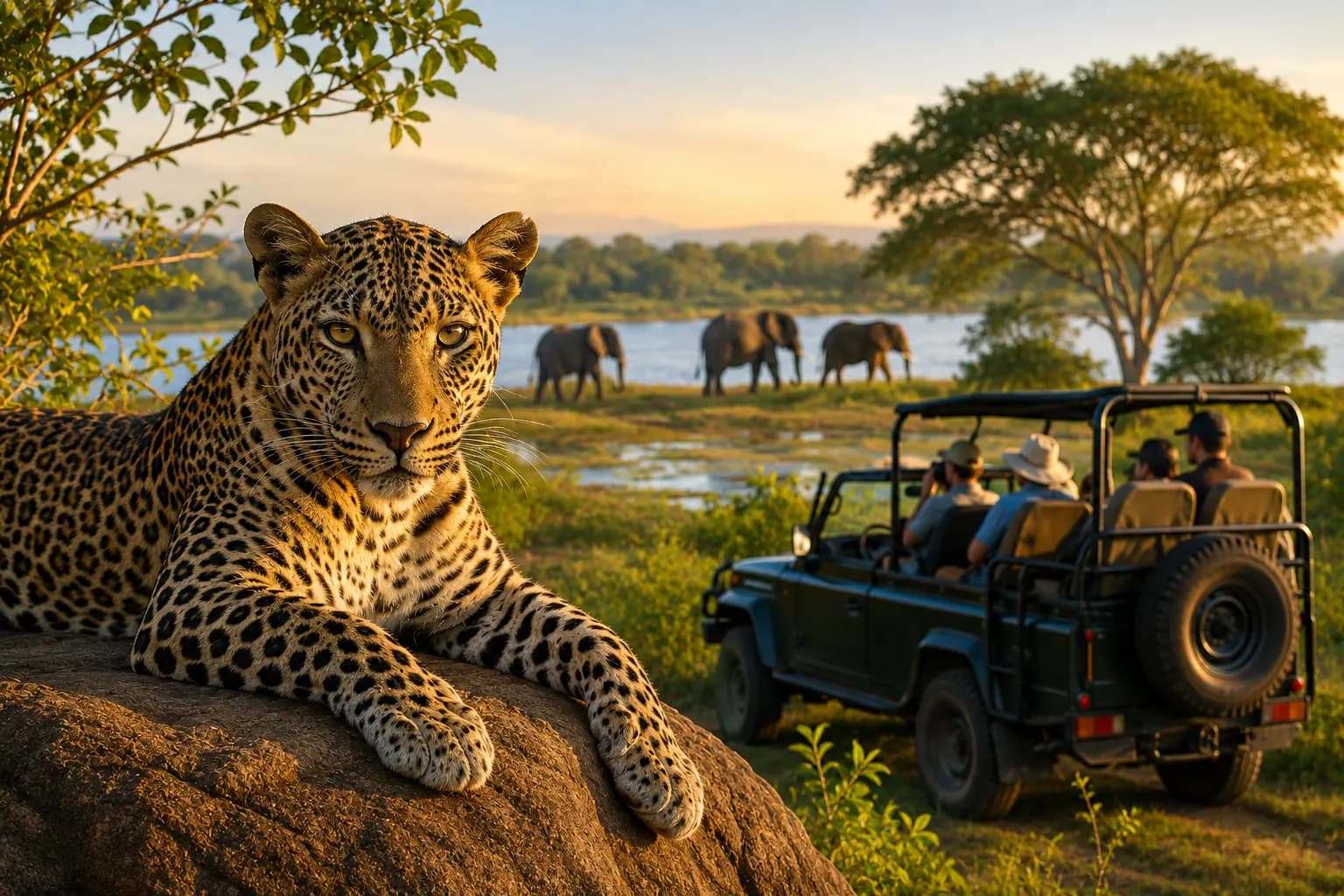
Yala's Block 1, the section open to general visitors, is thought to hold one of the highest densities of leopards anywhere on the planet, alongside elephants, sloth bears, crocodiles, water buffalo, and more than 200 recorded bird species.

A Yala safari is typically done as a half-day jeep drive at sunrise or late afternoon, guided by a licensed driver who knows the park's tracks, waterholes, and recent sighting patterns.

This guide covers how the park is organized, when to visit, how to book a safari, what you might see, where to stay nearby, and how to visit responsibly.

Kurzüberblick

  • Yala is Sri Lanka's most visited national park and one of the best places in the world to see wild leopards
  • The park is divided into blocks, with Block 1 being the most visited and most wildlife-dense
  • Safaris run as timed jeep drives in the early morning and late afternoon
  • February to July generally offers stronger sightings as water becomes scarce and animals concentrate near remaining pools
  • Tissamaharama and Kirinda are the main bases for arranging a Yala safari
  • Entry requires a licensed jeep, driver-guide, and paid park ticket booked in advance or on arrival

Why Yala Is Sri Lanka's Top Safari Destination

Yala covers close to 1,000 square kilometres of dry-zone forest, grassland, and coastal terrain in the island's southeast.

Its landscape alternates between thorny scrub, open plains, rocky outcrops, and shallow lagoons, creating varied habitats within a single park.

The park is best known for its leopards, but it also supports elephants, sloth bears, water buffalo, spotted deer, sambar, crocodiles, and a long list of resident and migratory birds.

Because sightings are relatively frequent compared with many other reserves in Asia, Yala has become a benchmark safari destination for travelers combining wildlife with beach time on the nearby south coast.

It is also easy to combine with other southern attractions such as Kataragama, Bundala, and Tissamaharama, making it a practical addition to a wider Sri Lanka itinerary.

High leopard densityVaried dry-zone habitatsElephants and sloth bears200+ bird speciesEasy to combine with the south coast

Understanding Yala's Blocks

Yala is divided into five numbered blocks, though only a portion of the park is open to general tourism.

Block 1 is the most visited section and the one most travelers mean when they refer to a 'Yala safari.' It has the highest concentration of leopard sightings and the most developed network of safari tracks.

Block 5, sometimes marketed as Yala West or reached through different entrances, offers a quieter alternative with fewer vehicles, though sightings can be less frequent.

Other blocks are either closed to the public, reserved for research, or used for specific conservation purposes.

Choosing which block to visit affects both the likely wildlife density and how crowded the experience feels, so it is worth discussing this with your driver or tour operator before booking.

Block 1 is the main safari zoneHighest sighting frequency in Block 1Quieter alternatives existSome blocks are closed to visitorsAsk your operator which block you will enter

Wildlife You May See on a Yala Safari

Leopards are Yala's headline attraction, and while sightings are never guaranteed, the park's leopard density gives visitors a realistic chance across a multi-drive visit.

Elephants are commonly seen in small groups near waterholes and along tree lines, particularly during drier months when they concentrate around remaining water sources.

Sloth bears are shier and less predictable, but they do appear, especially around fruiting trees in certain seasons.

Sri Lankan sambar and spotted deer, water buffalo, wild boar, and troops of grey langur and toque macaque are frequently spotted along the park's open tracks.

Mugger crocodiles bask along the edges of tanks and lagoons, and birdlife includes peacocks, painted storks, serpent eagles, kingfishers, and a wide range of migratory waders during the northern winter months.

No sighting can be promised on any single drive. Wildlife viewing depends on weather, season, recent rainfall, and simple luck, and a good guide will manage expectations honestly rather than promising specific animals.

LeopardsElephants near waterholesSloth bears (less predictable)Deer, buffalo, and monkeysCrocodiles and abundant birdlife

Best Time to Visit Yala

Yala can be visited for most of the year, but sighting quality shifts with the seasons.

The drier months from roughly February to July tend to produce stronger sightings, since shrinking water sources push animals toward the same remaining waterholes and open tracks.

Yala's Block 1 is typically closed for around one month, usually in September, for its annual maintenance closure, so travelers planning a trip in that window should check current closure dates before booking.

The northeast monsoon brings more rainfall from October to January, which can green the landscape and support birdlife but may spread animals more widely across the park, making sightings less concentrated.

Weekday visits and early entry generally mean fewer vehicles on the same tracks compared with weekends and school holiday periods.

February to July for stronger sightingsAnnual closure typically around SeptemberRainy season spreads wildlife more widelyWeekdays are quieter than weekendsConfirm current closure dates before booking

Safari Timings and Game Drives

Most Yala safaris run as two daily sessions: an early morning drive starting around dawn, and an afternoon drive ending near sunset.

The early morning slot is popular because animals are often more active in cooler temperatures and the park feels calmer before later vehicles arrive.

A typical drive lasts around four to five hours, though shorter and longer options can usually be arranged with your driver or hotel.

Full-day safaris that combine both sessions with a midday break are possible for travelers who want to maximize their chances across a single visit.

Vehicles must exit the park by the official closing time, and drivers manage this schedule closely since jeeps remaining inside after hours can face penalties.

Morning and afternoon drive sessionsDawn starts are popular for activity and calmDrives typically last 4 to 5 hoursFull-day options are availableStrict park exit times apply

Entrance Gates and How to Get There

The main entrance used for Block 1 safaris is the Palatupana gate, reached from Tissamaharama, one of the most common bases for visiting Yala.

Kirinda, a small coastal town near Tissamaharama, is another convenient base with closer access to the park entrance.

Travelers coming from the south coast, such as Mirissa or Tangalle, can reach Tissamaharama by road in a few hours, while those coming from the hill country often combine Yala with a stop in Ella or Udawalawe en route.

There is no train service directly to Yala, so most visitors arrive by private car, hired driver, or as part of an organized tour that includes transport and jeep arrangements.

Hotels and guesthouses near Tissamaharama and Kirinda can usually arrange jeep pickup directly, which is the simplest way to organize a safari without prior online booking.

Palatupana is the main Block 1 entranceTissamaharama is the primary safari baseKirinda offers closer coastal accessNo direct train service to the parkHotels can arrange jeep pickup

Booking a Jeep Safari and Understanding Costs

Entry to Yala requires a licensed safari jeep, a driver-guide, and a paid park ticket, all of which are usually bundled together when booking through a hotel, guesthouse, or local operator.

Costs vary by vehicle size, number of passengers, drive length, and whether the booking is shared with other travelers or private.

Foreign visitor park fees are generally higher than local resident rates, and a service charge and vehicle fee are added on top of the entry ticket.

Shared jeep safaris cost less per person but mean sharing the vehicle and schedule with other travelers, while private jeeps offer more flexibility over pacing and stops.

It is worth booking through a reputable local operator or your accommodation rather than arranging informally at the gate, since licensed drivers are more likely to know current park regulations, safe distances from animals, and the better tracks for that day.

Jeep, driver, and ticket are bundledForeign entry fees are higher than local ratesShared vs private jeep optionsBook through hotels or licensed operatorsConfirm total price before departure

Where to Stay Near Yala

Tissamaharama offers the widest range of accommodation, from simple guesthouses to mid-range hotels, most within a short drive of the Palatupana entrance.

Kirinda has a smaller selection of stays, often closer to the coast, appealing to travelers who want easy beach access alongside their safari.

A handful of tented camps and boutique lodges sit closer to the park boundary itself, offering a more immersive experience for a higher price, sometimes with elephants or other wildlife visible from the property.

Staying close to the entrance matters most for the early morning safari, since a shorter transfer means more sleep before a pre-dawn start.

Booking ahead is strongly recommended during peak months and local holiday periods, when rooms near the park fill quickly.

Tissamaharama has the most optionsKirinda combines safari with beach accessTented camps near the park boundaryProximity matters for early startsBook ahead in peak season

Places to Combine With a Yala Visit

Kataragama, a multi-religious pilgrimage town, lies a short drive from Tissamaharama and can be visited before or after a safari.

Bundala National Park, a coastal wetland and birdwatching site, offers a quieter wildlife experience with strong migratory bird numbers, particularly outside peak leopard season.

Udawalawe National Park, known for reliable elephant sightings, is a common alternative or addition for travelers who want a second, different safari experience.

The southern beach towns of Tangalle and Mirissa are within reach for travelers extending their trip toward the coast.

Travelers heading north can continue toward Ella and the hill country, making Yala a natural link between the south coast and the Central Highlands.

Kataragama pilgrimage townBundala for birdwatchingUdawalawe for elephantsTangalle and Mirissa beachesOnward route to Ella and the highlands

Visiting Yala Responsibly

Yala's popularity means Block 1 can become crowded around known leopard sightings, with multiple jeeps converging on the same spot.

Choose a driver and operator who maintains a respectful distance from animals rather than pushing close for a better photo.

Stay inside the vehicle at all times, avoid loud noises, and never ask a driver to leave the designated track to chase a sighting.

Do not feed animals, discard food or plastic waste inside the park, or encourage a driver to break park rules for a better view.

Choosing quieter blocks, weekday visits, or smaller operators that limit jeep numbers can reduce your impact and often improve the experience itself.

Avoid crowding around sightingsKeep a respectful distanceStay inside the vehicleNever feed wildlife or leave litterConsider quieter blocks or timings

Reisetipps

  • Book your jeep safari through your hotel or a licensed local operator in advance
  • Arrive at the entrance gate early to avoid queues during peak season
  • Wear neutral-coloured clothing and avoid bright colours or strong scents
  • Bring binoculars for distant sightings and birdlife
  • Carry water, sun protection, and a hat, since jeeps are open to the sun
  • Pack a light jacket for early morning starts, which can be cool
  • Charge your camera batteries and bring extra memory cards the night before
  • Confirm whether park entry fees and service charges are included in your quoted price
  • Check current closure dates before planning a September visit
  • Keep noise low and stay seated during sightings
  • Avoid asking your driver to break park rules for a closer view
  • Carry cash for small extras, as card payment may not be available everywhere near the park

Häufige Fragen

Is Yala the best national park in Sri Lanka for leopards?

Yala, particularly Block 1, is widely regarded as one of the best places in the world to see wild leopards due to its high leopard density, though sightings are never guaranteed on any single drive.

How many days do I need for a Yala safari?

A single day with one or two drives is enough for most travelers, though staying two to three days and taking multiple drives improves your overall chances of strong sightings.

What is the best time to visit Yala National Park?

The drier months from roughly February to July tend to offer stronger sightings, as animals concentrate around shrinking water sources. The park typically closes for about a month, usually in September, for annual maintenance.

Do I need to book a safari in advance?

It is not always required, but booking through your hotel or a local operator in advance is recommended, especially during peak season, to secure a reliable driver and avoid delays at the gate.

Can I drive myself into Yala National Park?

No. Entry is only permitted in a licensed safari jeep with an authorized driver-guide, and visitors cannot enter or explore the park independently.

Where should I stay for a Yala safari?

Tissamaharama is the main base with the widest range of accommodation, while Kirinda offers a smaller, coastal alternative closer to the sea.

Is Yala suitable for families with children?

Yes, jeep safaris are generally suitable for families, though early morning starts and several hours in an open vehicle should be considered for very young children.

What other wildlife parks can I combine with Yala?

Bundala National Park is a good addition for birdwatching, and Udawalawe National Park is a strong choice for travelers wanting reliable elephant sightings.

Leser-Notizen

Mach mit beim Gespräch

Teile deine Frage, deinen Tipp oder deine Reiseerfahrung zu diesem Guide.

Kommentare

0 Kommentare

Wird geladen...

Bereit, Inspiration in eine Sri-Lanka-Reise zu verwandeln?

Nutze LankaTrip, um deine Reise zu planen, lokale Guides zu finden und diese Route Wirklichkeit werden zu lassen.

Hilfe bei der Planung?

Plane dein Sri-Lanka-Abenteuer

Reise planen