
Horton Plains & Ohiya
A practical guide to Horton Plains National Park: the World's End cliff hike, Baker's Falls, real entry prices, why you must start before 7am, where to stay, and honest daily budgets.
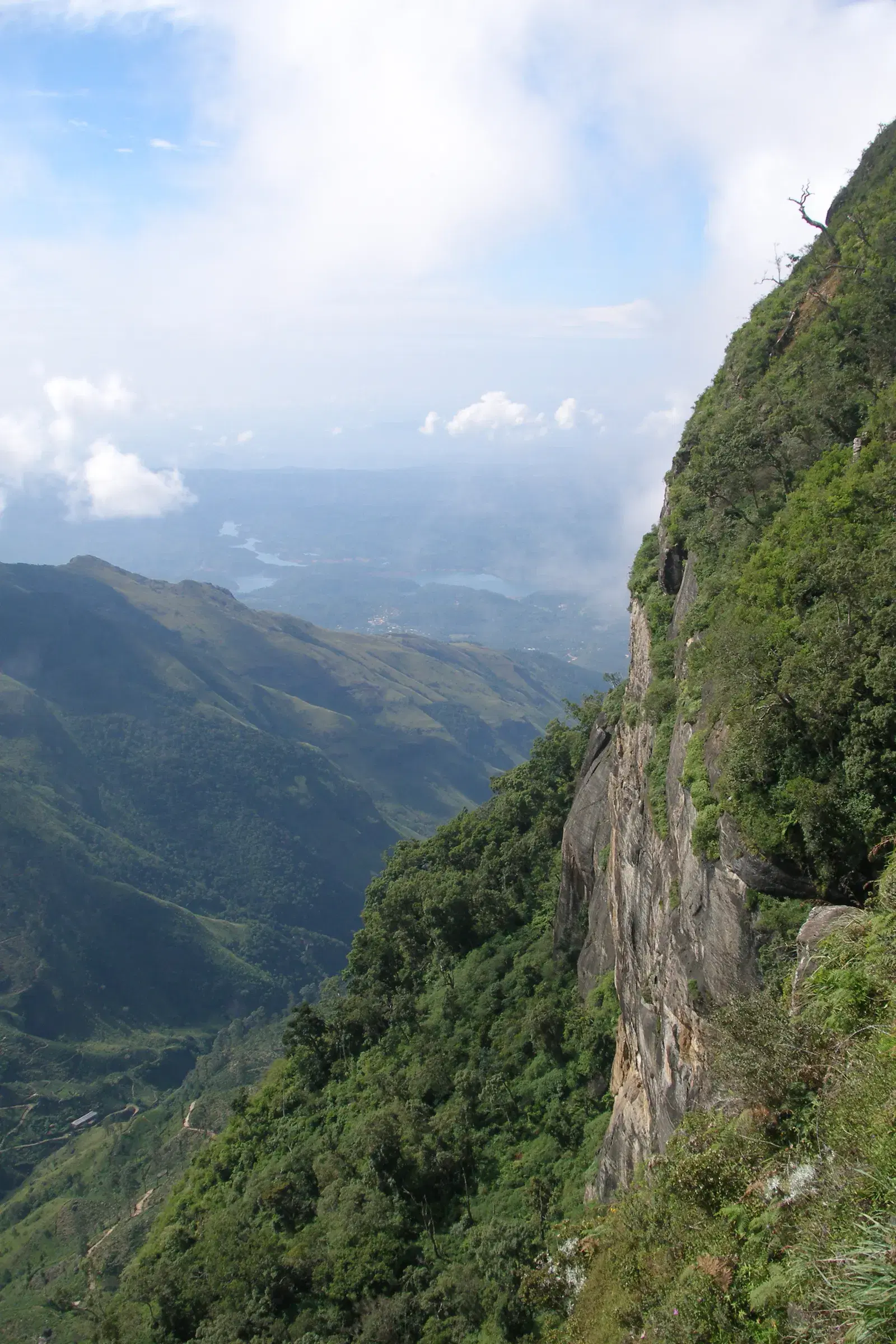
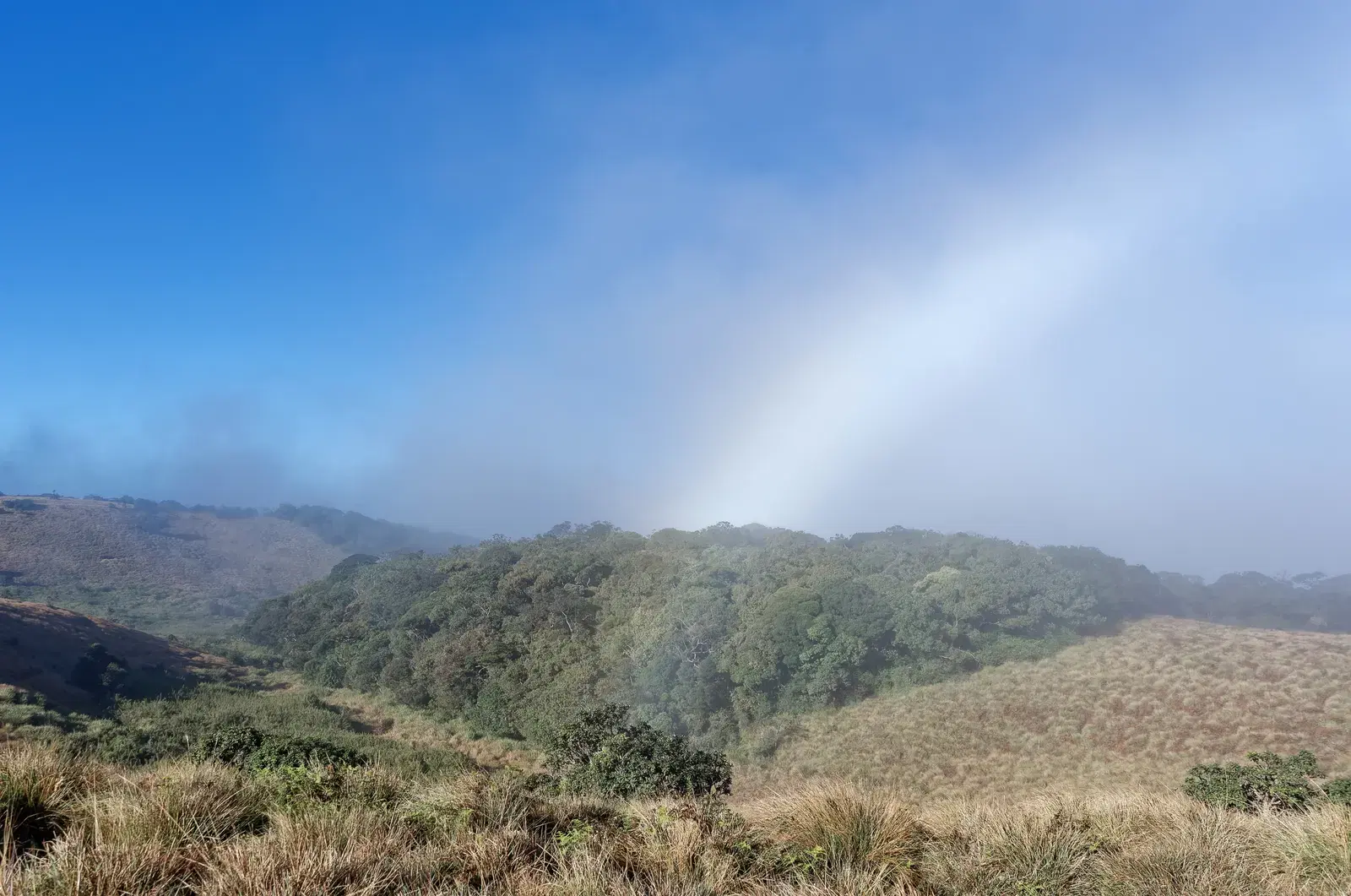
Horton Plains National Park sits at over 2,100 meters above sea level on Sri Lanka's central highland plateau, a landscape of rolling montane grassland and stunted cloud forest that feels closer to a Scottish moor than to the tropical island most visitors picture. The park's signature attraction is World's End, a sheer escarpment where the plateau drops nearly 870 meters in a single vertical face — and the entire reason this park runs on a schedule most travelers find unusually early is that the view only holds until the clouds roll in, typically by mid-morning.
That single fact shapes everything about visiting Horton Plains: you need to be at the gate at or before opening, which means leaving your accommodation in Nuwara Eliya or Ohiya while it's still dark. Arrive at 9am hoping for a leisurely start and there's a real chance World's End will already be a wall of white mist rather than the 870-meter panoramic drop everyone came for. This isn't exaggerated tourist-brochure urgency — it's simply how highland weather works here, and the difference between a 6:30am and a 9am arrival is often the difference between the money shot and total whiteout.
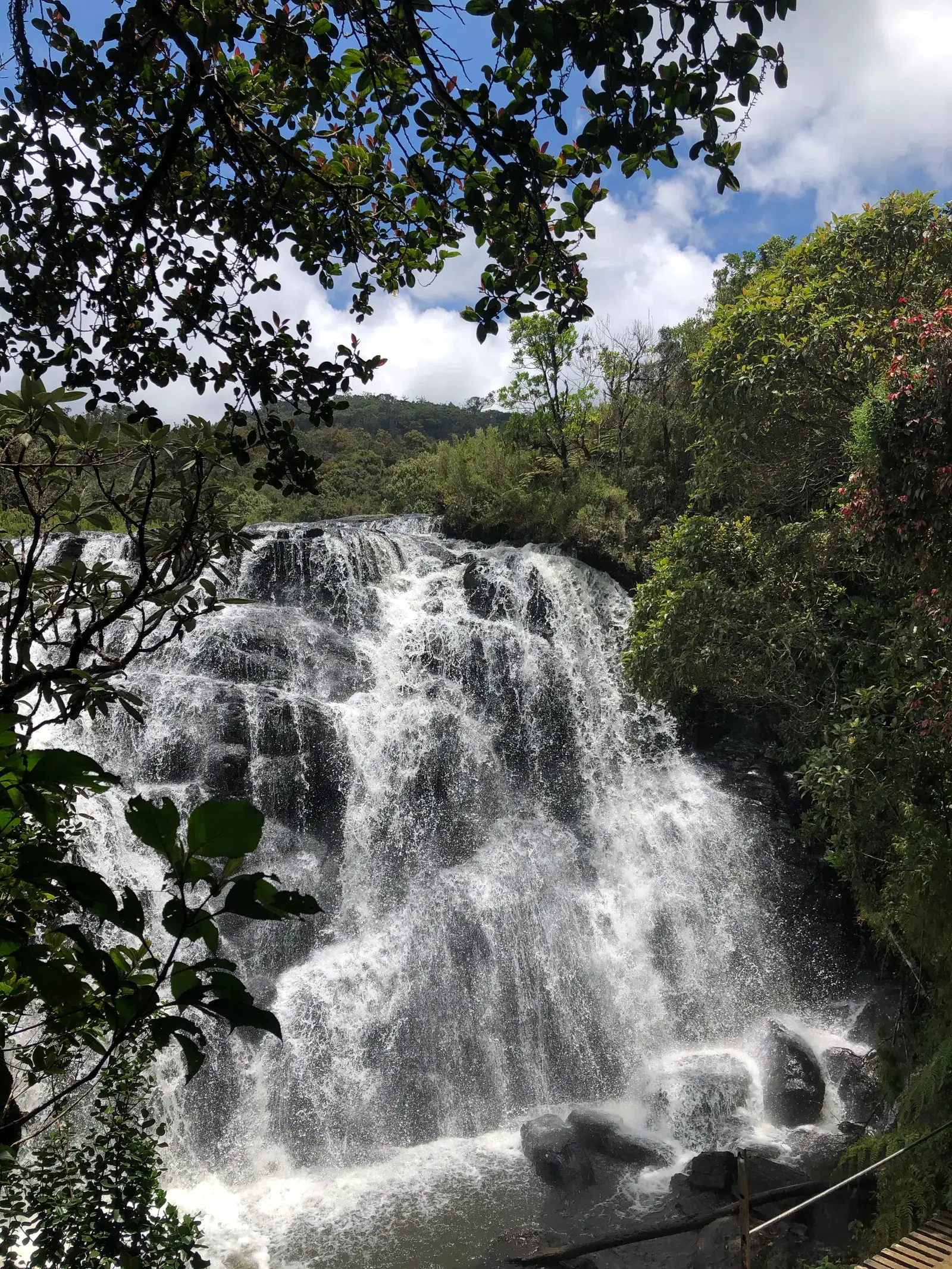
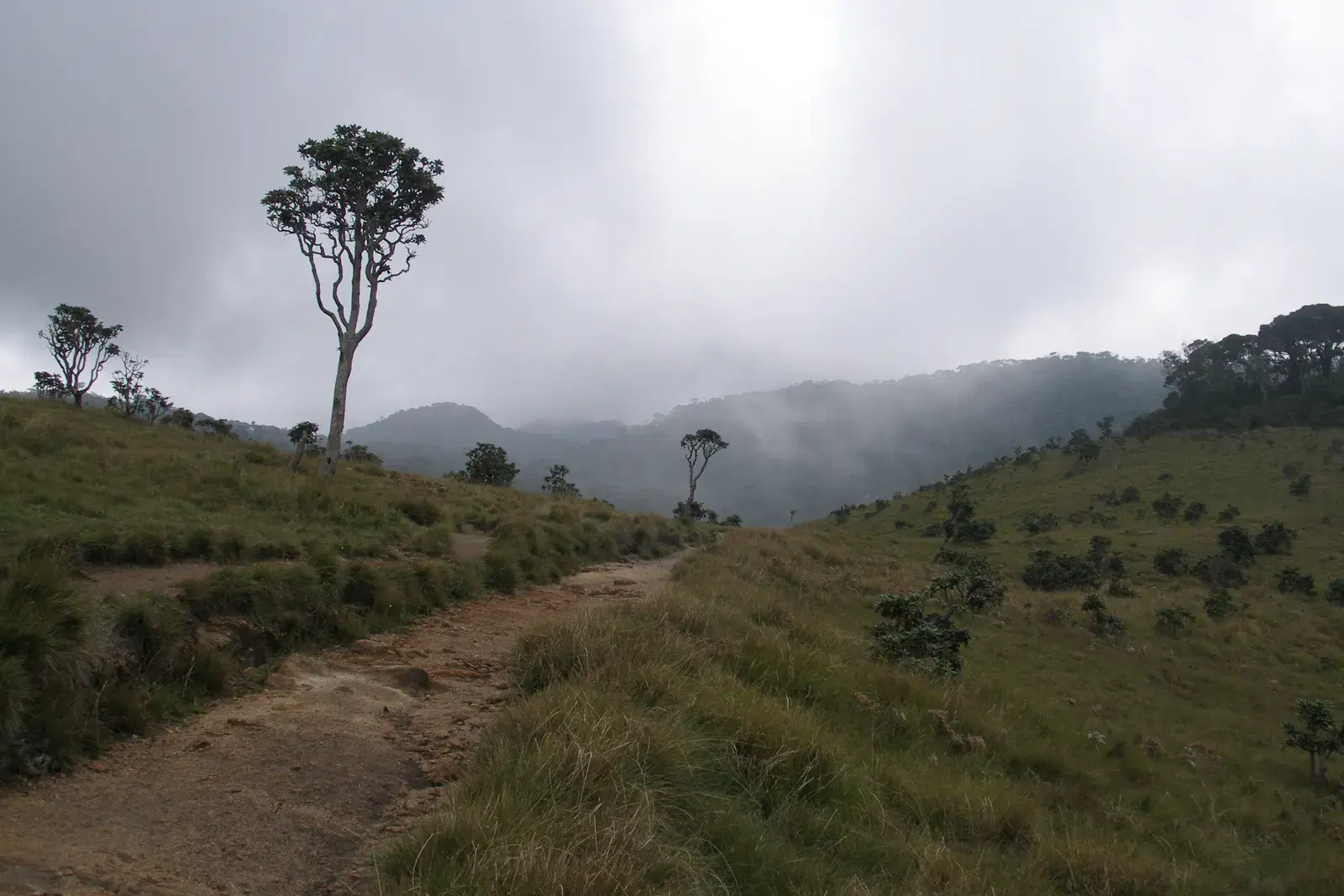
The standard loop trail is about 9.5 km and takes 3-4 hours, running past Baker's Falls — a broad, photogenic cascade named after the Victorian explorer Samuel Baker — and Mini World's End, a smaller, less dramatic version of the main cliff that still offers a worthwhile view. The terrain is mostly flat to gently undulating grassland with a stretch of denser cloud forest, making it accessible to reasonably fit walkers without technical hiking experience, though the altitude and occasional cold, wet weather catch some visitors off guard.
Ohiya, the small train station town at the park's edge, is the quieter and more atmospheric base for an early start compared to staying in Nuwara Eliya and driving in — it sits right along the scenic Colombo-Badulla railway line and offers a genuinely rural, misty highland experience distinct from Nuwara Eliya's more developed colonial-hill-station feel.
The park was formally protected relatively late by Sri Lankan standards, gazetted as a nature reserve in 1969 and upgraded to national park status in 1988, largely to safeguard the watershed that feeds three of the island's major rivers — the Mahaweli, Kelani, and Walawe — all of which originate within or near its boundaries. That watershed role is part of why the ecosystem here is so tightly protected and why rangers are strict about staying on marked trails: this fragile highland grassland and cloud forest does real, measurable work downstream long after any visitor has gone home.
Why go to Horton Plains & Ohiya
- World's End delivers one of the most dramatic single viewpoints in Sri Lanka — an 870-meter sheer drop over the southern escarpment of the central highlands.
- The 9.5 km loop trail past Baker's Falls and Mini World's End is achievable for reasonably fit non-hikers, making a genuinely wild highland landscape accessible without technical difficulty.
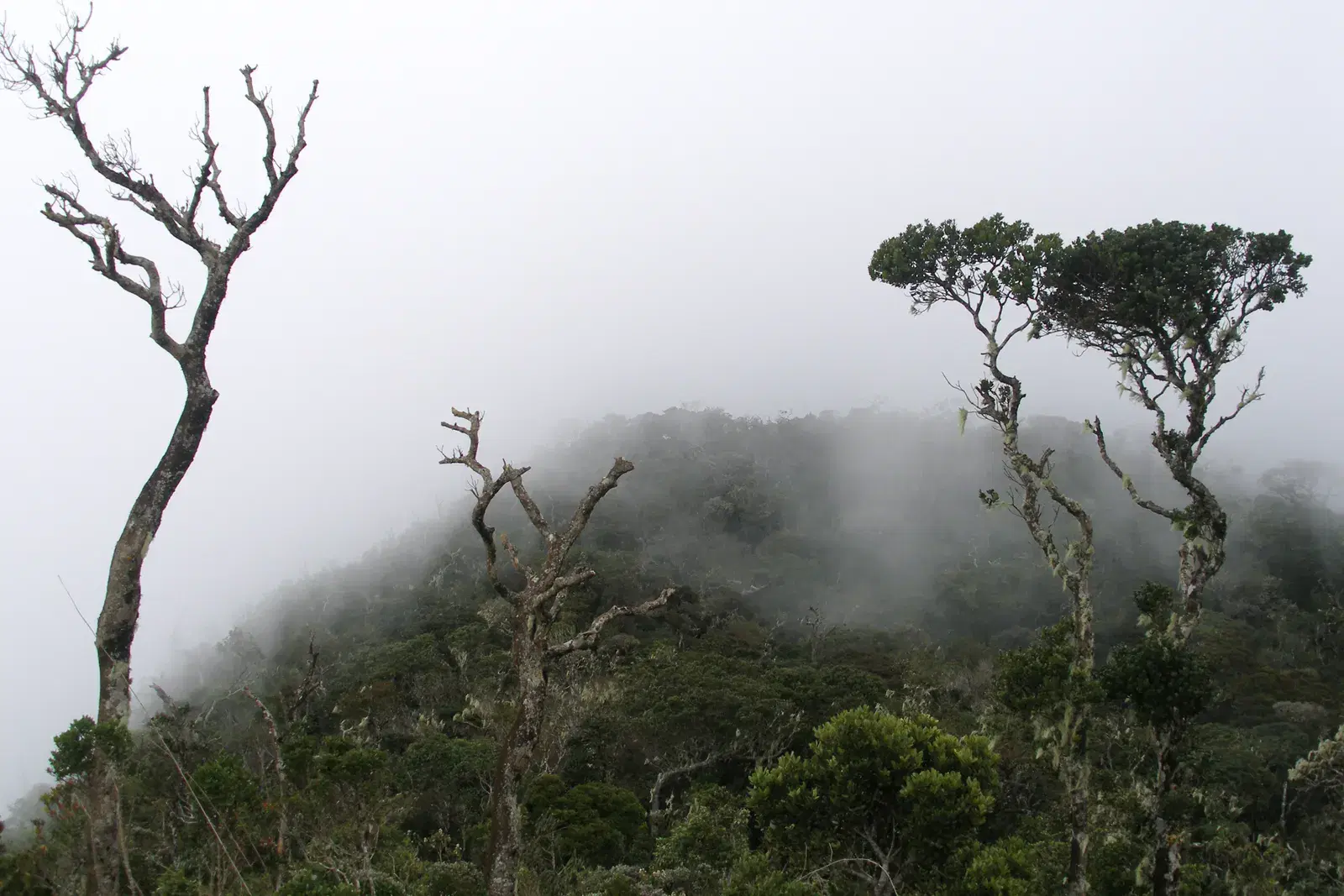
- The park's cool, misty montane grassland and cloud forest ecosystem is unlike anywhere else on the island's usual tourist circuit.
- Ohiya offers a quieter, more rural alternative base than Nuwara Eliya, with direct access to one of Sri Lanka's most scenic rail lines.
How to get to Horton Plains & Ohiya
From Nuwara Eliya — Private car or hired driver
About 32 km, roughly 1-1.5 hours on winding mountain roads — most visitors base here and arrange an early-morning departure, often around 5:30-6am, to reach the gate at opening.
From Ohiya — Private car, tuk-tuk, or on foot for the fit
About 10 km, roughly 30-45 minutes by vehicle — staying in Ohiya cuts the pre-dawn drive significantly compared to a Nuwara Eliya base.
From Ella — Private car
About 60 km, roughly 2-2.5 hours via winding highland roads — feasible as a very early day trip but tight given the park's opening-time urgency.
From Ohiya train station — Train (from Colombo, Kandy, or Ella)
The Colombo-Badulla line stops at Ohiya, one of the most scenic rail journeys in Sri Lanka — a good option for reaching the base town itself, though the final approach to the park gate still requires a vehicle.
Best time to visit Horton Plains & Ohiya
| Months | Rainfall | Crowds | Verdict |
|---|---|---|---|
| Jan. – Mar. | Lowest of the year | Higher | The most reliable window for clear views at World's End, though early arrival still matters even in the driest months. |
| Apr. – Sep. | Increasing, with the southwest monsoon affecting the highlands | Moderate | Cloud cover builds earlier in the day; an early arrival becomes even more critical. |
| Oct. – Dec. | Highest | Lower | The wettest and mistiest stretch — visits are still possible but the odds of a clear World's End view drop substantially. |
Things to do in Horton Plains & Ohiya
World's End viewpoint
The centerpiece of the park — a sheer 870-meter escarpment drop with views stretching to the south coast on a genuinely clear day. The single most important piece of practical advice for this entire destination: arrive early. Clouds typically roll in by mid-to-late morning and can turn a spectacular panorama into a wall of white with essentially no warning.
Baker's Falls
A broad, tiered waterfall named after 19th-century explorer Sir Samuel Baker, reached via a short side path from the main loop and set among dense cloud forest quite different from the open grassland elsewhere in the park. A worthwhile and much less time-pressured stop than World's End itself.
Mini World's End
A smaller, less crowded escarpment viewpoint passed on the return leg of the loop. Worth a look, though it doesn't match the scale of the main World's End — a bonus rather than a primary reason to visit.
The full 9.5 km loop trail
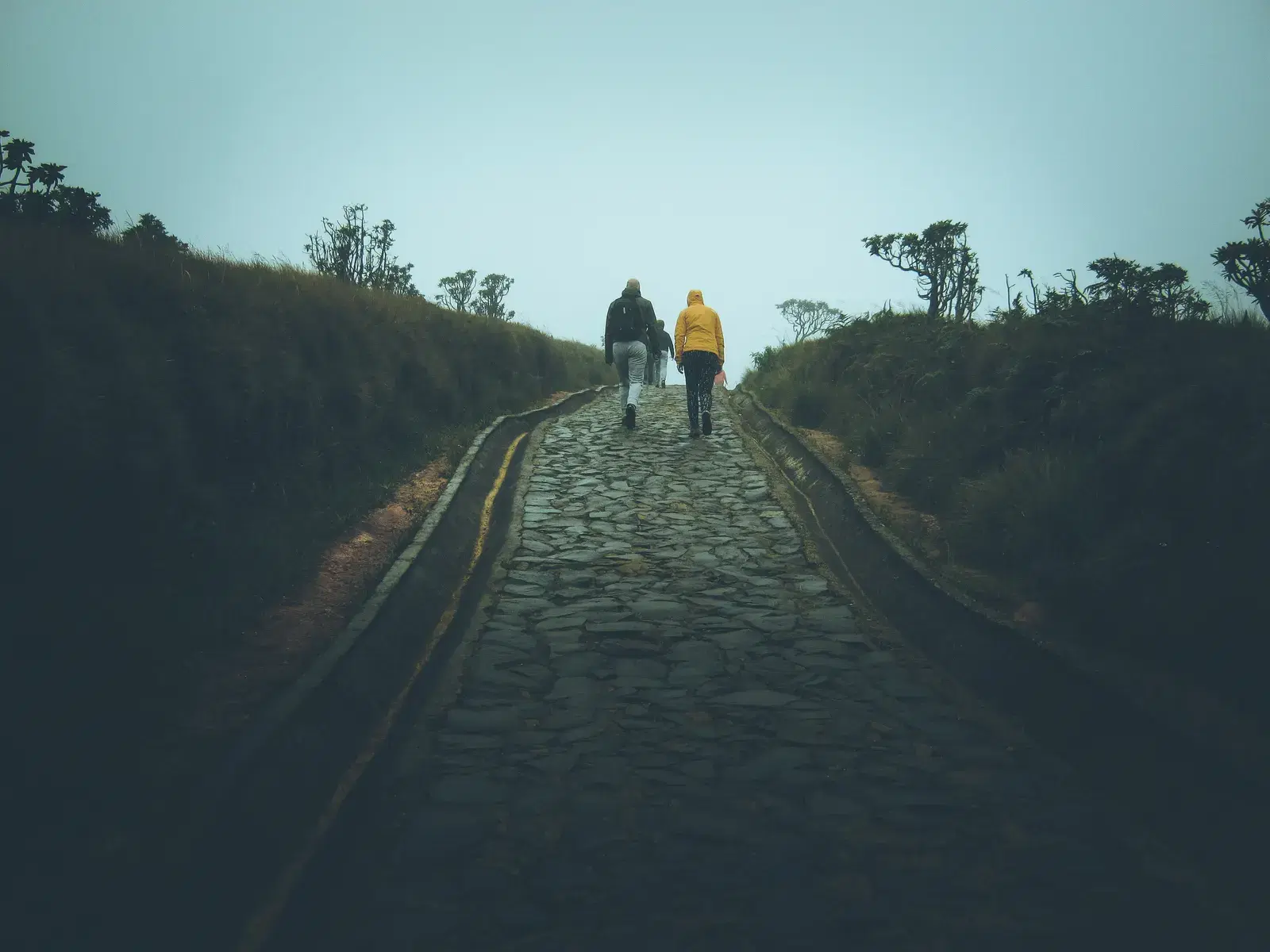
A mostly flat-to-gently-undulating trail across montane grassland, with denser cloud forest sections and consistently cool temperatures — bring a windbreaker or light jacket regardless of season. Accessible to reasonably fit visitors without hiking experience, but the altitude and wind chill surprise some people used to lowland Sri Lankan heat.
Wildlife spotting along the trail
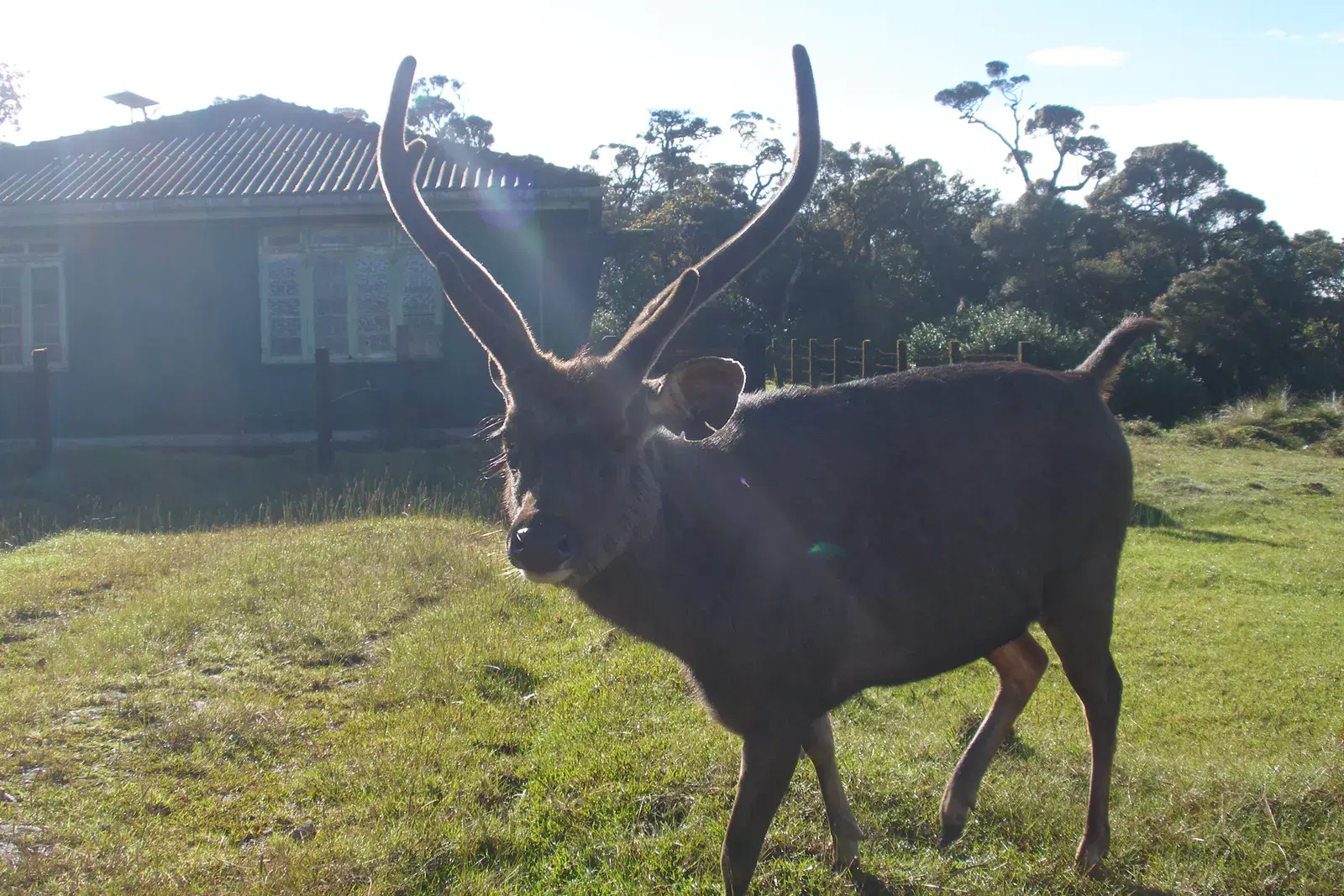
Sambar deer are commonly seen grazing in the open grassland, and the park is also good for highland bird species. Leopards are present but very rarely seen given the open terrain and daytime visiting hours.
Where to stay in Horton Plains & Ohiya
Budget — Ohiya
- Ohiya guesthouses — Simple, rural accommodation near the train station, ideal for a very early park departure, roughly $15-25/night.
Mid-range — Nuwara Eliya
- Mid-range Nuwara Eliya hotels — A wider range of comfortable options than Ohiya, with the tradeoff of a longer pre-dawn drive to the park.
High-end — Nuwara Eliya
- Heritance Tea Factory or similar highland properties — Upscale colonial-era or tea-estate-style properties near Nuwara Eliya, offering comfort before an early highland start.
Where to eat in Horton Plains & Ohiya
Guesthouse breakfasts (pre-arranged early)
Simple breakfast packed for the early departure
usually included or ~500-1,000 LKR
Nuwara Eliya restaurants
Sri Lankan and international dishes
~1,000-2,500 LKR
Small local eateries in Ohiya
Simple local meals
~300-700 LKR
Getting around Horton Plains & Ohiya
A private vehicle or hired driver is essential for the pre-dawn departure most visits require — public transport options at that hour are minimal to nonexistent.
Within the park, the loop trail is walked on foot; there's no vehicle access beyond the entrance area.
Many Nuwara Eliya guesthouses and hotels can arrange a driver specifically for the early Horton Plains run.
What it costs — daily budget
| Tier | Per day (USD) | Per day (LKR) | Includes |
|---|---|---|---|
| Backpacker | $30-45 | ≈ 9,000-13,500 LKR | Budget guesthouse in Ohiya, park entry, shared or budget transport to the gate. |
| Mid-range | $55-90 | ≈ 16,500-27,000 LKR | Comfortable Nuwara Eliya hotel, private driver for the early departure, park entry. |
| Comfort | $120-220 | ≈ 36,000-66,000 LKR | Upscale highland hotel, private driver and guide, park entry. |
Safety and scams in Horton Plains & Ohiya
Temperatures at this altitude can drop close to freezing before dawn — bring warm layers even though you're in tropical Sri Lanka; this surprises a lot of visitors.
The trail near World's End has a genuine sheer drop with minimal barriers in places — stay on the marked path and keep a safe distance from the edge, especially in mist or wind.
Weather can change quickly at this altitude; a rain jacket is worth carrying even on a clear morning.
The altitude and cool temperatures mean the walk can feel more strenuous than the relatively flat terrain suggests — pace yourself, especially early in the trip before acclimatizing.
Hidden gems near Horton Plains & Ohiya
- Mini World's End — Passed on the return leg of the loop and often rushed past by visitors eager to finish, though it offers a genuinely good, less crowded view.
- The cloud forest section near Baker's Falls — A distinctly different, denser ecosystem from the open grassland that dominates most of the park, and a good spot for birdlife.
- Ohiya as a base rather than Nuwara Eliya — Most visitors stay in Nuwara Eliya and endure a longer pre-dawn drive; basing in Ohiya instead means more sleep and an easier early start.
- The river source markers along the watershed — Small, easy-to-miss signs mark where the Mahaweli, Kelani, and Walawe rivers originate near the park — a detail most visitors walk straight past without noticing.
Suggested Horton Plains & Ohiya itineraries
Half day (from Nuwara Eliya)
Core visit: Depart around 5:30-6am, arrive at park opening, walk the full loop trail including World's End and Baker's Falls, return by early afternoon.
1 night (Ohiya base)
Core visit: Arrive in Ohiya the evening before, depart very early for the short drive to the park gate, walk the loop trail, spend the afternoon exploring Ohiya's rural surroundings or catching the scenic train onward.
Where to go next from Horton Plains & Ohiya
Horton Plains & Ohiya FAQ
Why do I need to arrive at Horton Plains so early?
World's End, the park's signature viewpoint, is typically clear only in the early morning before clouds roll in, often by mid-to-late morning. Arriving after 9am significantly raises the risk of a whiteout instead of the view.
How long is the Horton Plains hike?
The standard loop trail is about 9.5 km and takes 3-4 hours, passing World's End, Baker's Falls, and Mini World's End on mostly flat to gently undulating terrain.
How much does entry to Horton Plains cost?
Foreign visitor entry is roughly $25-30, plus additional vehicle and service charges — check current rates locally as these are periodically revised.
Should I stay in Ohiya or Nuwara Eliya to visit Horton Plains?
Ohiya is closer to the park gate and cuts the pre-dawn drive significantly, making it the better choice for an easier early start, though Nuwara Eliya offers a wider range of accommodation.
Is the Horton Plains hike difficult?
It's accessible to reasonably fit visitors without technical hiking experience — the terrain is mostly flat to gently undulating — though the altitude and cool, sometimes windy conditions can make it feel more strenuous than expected.
What is Baker's Falls?
A broad, tiered waterfall along the main loop trail, named after 19th-century explorer Sir Samuel Baker, set within denser cloud forest than the surrounding open grassland.
What should I wear to Horton Plains?
Warm layers and a light rain jacket — temperatures at this altitude can drop close to freezing before dawn, which surprises many visitors expecting tropical warmth.
Why is Horton Plains ecologically important?
The park protects the watershed that feeds three of Sri Lanka's major rivers — the Mahaweli, Kelani, and Walawe — all of which originate within or near its boundaries, which is part of why rangers strictly enforce staying on marked trails.