
LankaTrip 见解

11 分钟阅读

What Things Really Cost in Sri Lanka in 2026/27: A Fair-Price Guide to Avoid Overcharging

Most Sri Lankans you meet will treat you fairly. But tourists do get overcharged, usually on tuk-tuks, fake visa sites and train tickets. Here are the real prices to know for 2026/27 and simple ways to protect yourself.

返回博客
What Things Really Cost in Sri Lanka in 2026/27: A Fair-Price Guide to Avoid Overcharging

Sri Lanka is good value for most visitors, and the great majority of people you meet will be honest and kind.

But overcharging does happen, and Sri Lankan media and officials discuss it openly. Most of it is small, such as a tuk-tuk fare that is double the meter. Some of it is bigger, such as fake visa websites or gem shops selling glass.

The best protection is simple: know roughly what things should cost before you pay. This guide gives you the figures we could check against official sources and national news, and clear ranges where official prices do not exist.

We also explain what is not a scam. For example, foreigners paying more at Sigiriya is official government pricing. Knowing the difference saves you stress.

快速摘要

  • In Western Province, metered tuk-tuks were set at Rs 110 for the first kilometre and Rs 90 per kilometre after, from 24 March 2026
  • Foreigners pay higher, official entry fees at many heritage sites; this is government policy, not a scam
  • Apply for your ETA only on the official government website; fake sites charge extra
  • Never pay cash to train staff for a seat or compartment access
  • Agree on the price before any ride, tour or service starts
  • The exchange rate in 2026 has been roughly Rs 300 to 330 per US dollar; check the current rate

Start With the Exchange Rate

Most prices in Sri Lanka are in rupees (Rs or LKR). Some tourist services, including heritage site entry, are priced in US dollars.

During 2026, the US dollar has traded at roughly Rs 300 to 330, and national business news reported the selling rate crossing Rs 324 at points in the year. Check the current rate on your banking app or at a bank before you travel.

A simple trick: for quick sums, think of Rs 1,000 as a little over 3 US dollars. This helps you see quickly when a price is far too high.

Banks and licensed money changers usually give fair rates. Avoid exchanging money with people on the street.

Card payments are accepted at most hotels and larger restaurants, but small shops, tuk-tuks and street food are usually cash only.

Roughly Rs 300–330 per USD in 2026Rs 1,000 is a little over 3 USDUse banks or licensed changersCarry cash for small purchases

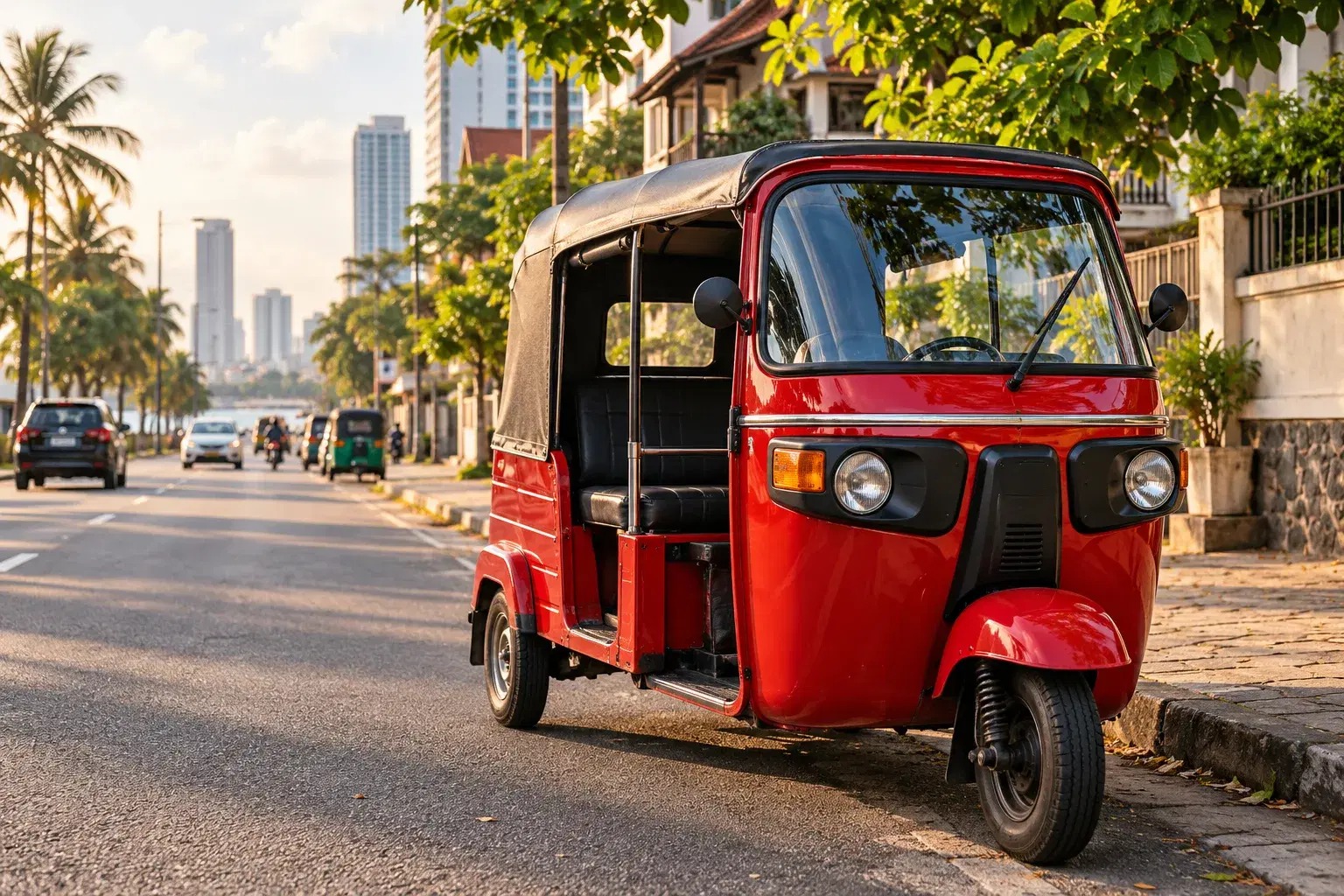
Tuk-Tuk Prices: The Official Meter Rates

Tuk-tuk (three-wheeler) overcharging is the most common complaint from visitors.

In Western Province, which includes Colombo, Negombo and the airport area, the Road Passenger Transport Authority approved metered fares of Rs 110 for the first kilometre and Rs 90 for each extra kilometre from 24 March 2026, as reported by News First.

After a fuel price increase at the end of May 2026, a drivers' association proposed raising the first-kilometre fare to Rs 130. At the time of writing, we could not confirm that this proposal was approved. Expect small changes when fuel prices move.

Outside Western Province, many tuk-tuks do not use meters, and prices are agreed before the ride. In tourist towns such as Ella, Mirissa or Sigiriya, short rides often cost more than the meter rate would suggest.

Ride-hailing apps operate in Colombo and some other cities. They show the price before you book, which removes the need to bargain.

Western Province meter: Rs 110 first kmThen Rs 90 per km (from 24 March 2026)Proposed increase not yet confirmedAgree on price where there is no meterApps show prices upfront

How to Avoid Paying Too Much for a Tuk-Tuk

Ask: 'Meter?' before you get in. If the driver says the meter is broken, either agree a fixed price first or choose another tuk-tuk.

Agree whether the price is per person or for the whole tuk-tuk, and whether it is one way or return. Misunderstanding this is a common cause of arguments.

Be careful with drivers who say a place is closed today or offer to take you somewhere special. This is often a way to bring you to a shop that pays commission.

Check the route on your phone map. If the driver takes a very long way, say so politely.

Carry small notes. Drivers sometimes say they have no change for large notes.

Ask for the meterAgree per person or per vehicleIgnore 'it is closed today' storiesFollow the mapCarry small notes

Dual Pricing at Heritage Sites: Official, Not a Scam

At many government-run heritage sites, foreign visitors pay much more than Sri Lankans. This is official policy. Some local commentators criticise it, but it is not overcharging by an individual.

For example, the Central Cultural Fund lists Sigiriya entry for foreign visitors at USD 35. Many 2026 articles still say USD 30, which is out of date.

SAARC nationals often have a separate, lower foreign rate at many sites. Children's rates also apply at many places.

Buy tickets only at the official ticket counter or official online channel. People outside sites sometimes offer to 'help' with tickets for a fee.

Keep your ticket until you leave. Some sites check tickets at more than one point.

Foreigners pay more by lawSigiriya foreign entry: USD 35SAARC and child rates existBuy only at official countersKeep your ticket

Fake Visa (ETA) Websites

One of the most expensive traps happens before you even arrive. Many websites look official but are not run by the Sri Lankan government. They charge extra fees for the same travel authorisation.

The Department of Immigration and Emigration and Sri Lankan missions abroad have publicly warned travellers to use only the official ETA website and listed unauthorised sites.

Fake sites often appear at the top of search results as adverts. Always check the web address carefully before entering passport or card details.

If you already paid a third-party site, contact your card provider. You may need to apply again on the official website if the third party did not submit your application.

Use only the official ETA siteGovernment has listed fake sitesCheck the web addressSearch adverts can be fake

Train Ticket Traps

Popular scenic trains, especially Nanu Oya to Ella, sell out in busy months. This creates space for resellers.

Book reserved seats through the official Sri Lanka Railways online reservation system or at the station. Third-party sites may add large fees.

Some third-party sites still sell Kandy to Ella tickets. As of early November 2026, there is no direct train from Kandy, so these tickets cannot be used for a through journey.

Never pay cash to anyone on the train for a seat or access to a compartment. In June 2026, the Daily Mirror reported allegations that some guards on the Nanu Oya to Badulla section collected money from tourists.

Unreserved train tickets are very cheap, often only a few hundred rupees for long scenic sections. If someone outside the station offers 'special' tickets at much higher prices, walk away.

Book on official channelsNo direct Kandy to Ella train right nowNever pay extra onboardUnreserved tickets are cheapAvoid station touts

Food, Drinks and Menus

Local restaurants and small cafés are usually good value. A simple rice and curry meal at a local place often costs much less than a tourist café meal.

In tourist areas, ask for a menu with prices before you order. Viral videos of restaurants overcharging tourists led to legal action in some cases, and the government said it would act against this.

Check your bill. Some places add a service charge, often around 10 percent, plus taxes. This is normal if it is printed on the menu, but not if it suddenly appears.

Seafood priced 'by weight' is a common surprise. Ask for the price per 100 grams or per kilo and see the fish weighed before it is cooked.

Bottled water is cheap at supermarkets. Paying several times more at a beach bar is common but legal; it is your choice.

Ask for a priced menuCheck the billService charge should be on the menuConfirm seafood weight and priceSupermarkets are cheapest

Gems, Spice Gardens and Commission Shops

Sri Lanka is famous for sapphires and other gems, which also makes gem scams common. Fake or low-quality stones are sometimes sold with impressive-looking certificates.

Only buy expensive gems from shops you have researched yourself. For valuable purchases, ask for testing through the National Gem and Jewellery Authority.

Spice garden tours are often free to enter, but the visit usually ends at a shop with high prices. Enjoy the tour, but you do not have to buy.

If a driver or guide insists on stopping at shops you did not ask for, say clearly that you do not want shopping stops. Many earn commission from these visits.

Research gem shops yourselfUse official gem testing for big buysNo need to buy at spice gardensSay no to unplanned shop stops

Drivers, Guides and Tours

When you hire a car and driver, agree clearly on the total price and what it includes: fuel, tolls, parking, driver meals and accommodation, and daily hours.

Ask whether entry tickets and safari jeeps are included. Usually they are not.

For safaris, ask how many people share the jeep and whether the park entrance fee is included. These two things explain most price differences.

Licensed tour guides are registered with the Sri Lanka Tourism Development Authority. If someone offers to guide you at a site, ask to see their licence.

Get important agreements in writing, even as a simple message on your phone.

Agree on all inclusionsEntry and safari fees usually extraAsk about shared jeepsCheck guide licencesKeep agreements in writing

What Is Normal and Not a Scam

Paying more in a tourist café than in a local shop is normal, just like anywhere in the world.

Hotels and tours costing more in December to April is normal peak-season pricing.

Small tips for good service, such as for drivers, guides and hotel staff, are common and appreciated, but not compulsory.

Being asked for a donation at a temple is normal. Give what you are comfortable with, and only into official donation boxes.

Understanding what is normal helps you stay relaxed and focus only on real problems.

Tourist cafés cost morePeak season prices are normalTips are optionalUse official donation boxes

What to Do If You Are Overcharged

Stay calm and polite. Most disagreements end quickly if you stay friendly and firm.

If you agreed a price, pay that price. Do not get into heated arguments over small amounts.

For serious problems, contact the Sri Lanka Tourism Development Authority's tourist hotline (1912) or the Tourist Police in the area.

Write down details: the vehicle number, the business name, the time and the location. Photos of menus or receipts help.

Leaving honest reviews online helps other travellers and encourages fair businesses.

Stay calm and firmPay what you agreedTourist hotline: 1912Note vehicle numbersLeave honest reviews

旅行贴士

  • Ask for the meter before every tuk-tuk ride
  • Agree on the price before any service starts
  • Clarify per person versus per vehicle prices
  • Carry small notes and coins
  • Use only the official ETA website
  • Buy heritage tickets only at official counters
  • Never pay cash for seat access on trains
  • Ask for priced menus in tourist areas
  • See seafood weighed before it is cooked
  • Buy expensive gems only after your own research
  • Note vehicle numbers in case of problems
  • Save the tourist hotline number 1912

常见问题

How much should a tuk-tuk cost in Sri Lanka in 2026?

In Western Province, metered tuk-tuks were set at Rs 110 for the first kilometre and Rs 90 per extra kilometre from 24 March 2026. Outside metered areas, prices are agreed before the ride and are often higher in tourist towns.

Is it a scam that foreigners pay more at Sigiriya?

No. Higher foreign visitor fees are official government pricing. The Central Cultural Fund lists foreign entry to Sigiriya at USD 35.

How do I know if an ETA website is real?

Use only the official Sri Lankan government ETA website. Sri Lankan authorities and missions have publicly listed unauthorised sites that charge extra fees.

Is Sri Lanka expensive for tourists?

Day-to-day costs such as local food, buses and trains are low. Hotels, tours and heritage entry fees can be higher, especially in peak season.

Should I tip in Sri Lanka?

Tips are common and appreciated for good service from drivers, guides and hotel staff, but they are not compulsory.

What is the most common way tourists are overcharged?

Tuk-tuk fares are the most common issue, followed by unclear restaurant bills, shopping commission stops and third-party ticket or visa websites.

Can I pay by card everywhere?

No. Most hotels and larger restaurants accept cards, but tuk-tuks, small shops and street food stalls are usually cash only.

What should I do if I am cheated?

Stay calm, note the details, and contact the tourist hotline on 1912 or the local Tourist Police for serious problems.

Are train staff allowed to charge extra for seats?

No. Your ticket is your entry. In June 2026, there were reported allegations of guards collecting money from tourists, so politely decline any request for extra cash.

读者笔记

参与讨论

分享你对这篇指南的问题、建议或旅行经历。

评论

0 条评论

加载中...

准备把灵感变成斯里兰卡之旅了吗?

使用 LankaTrip 规划行程、联系本地向导,把这份行程变为现实。

需要规划帮助?

规划你的斯里兰卡之旅

规划我的旅程