Koggala & Ahangama
A practical guide to Ahangama and Koggala: intermediate-to-advanced surf breaks, Koggala Lake's cinnamon island boat tours, real prices, where to stay, and honest daily budgets for the south coast's surf-focused stretch.
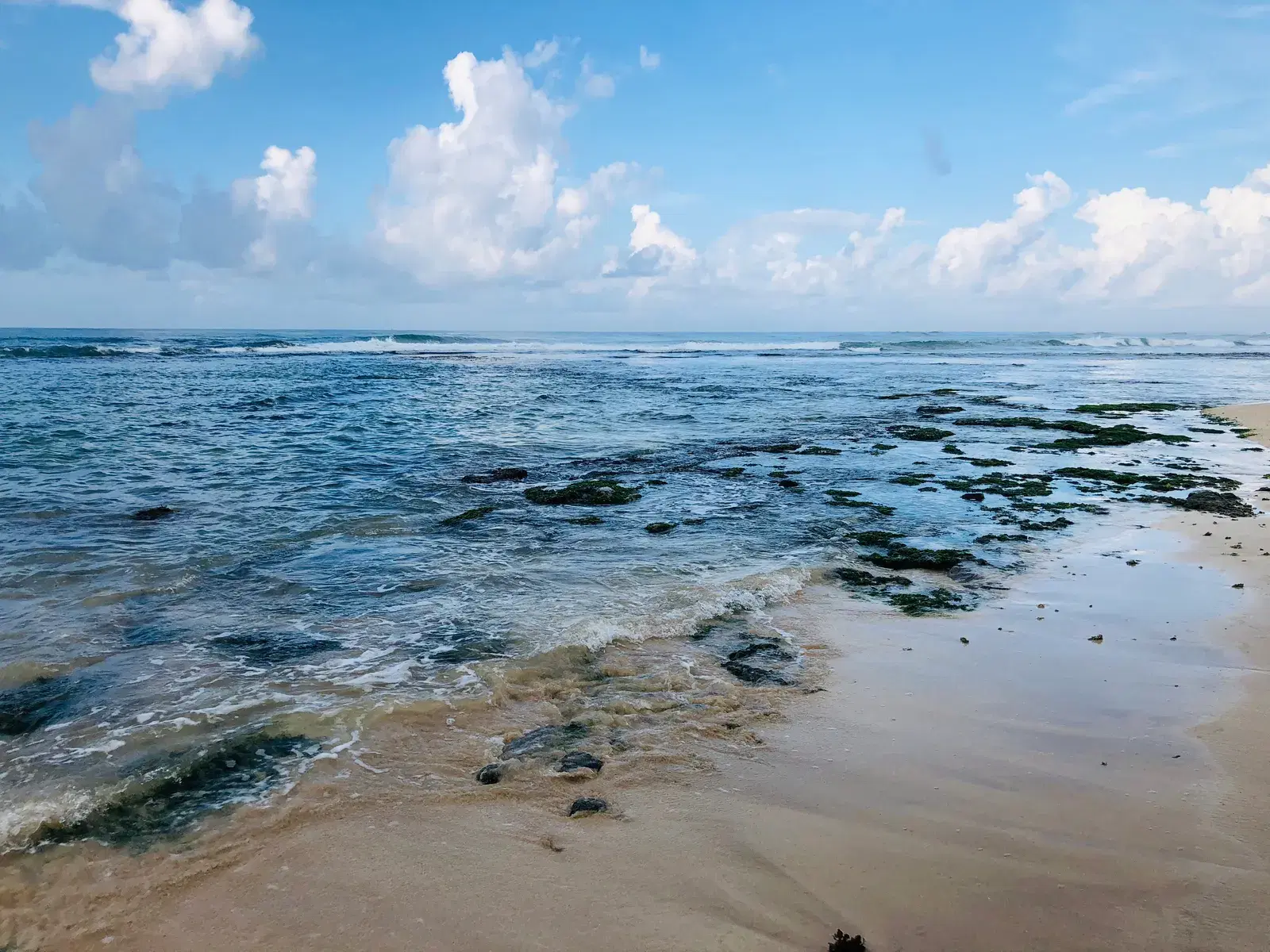
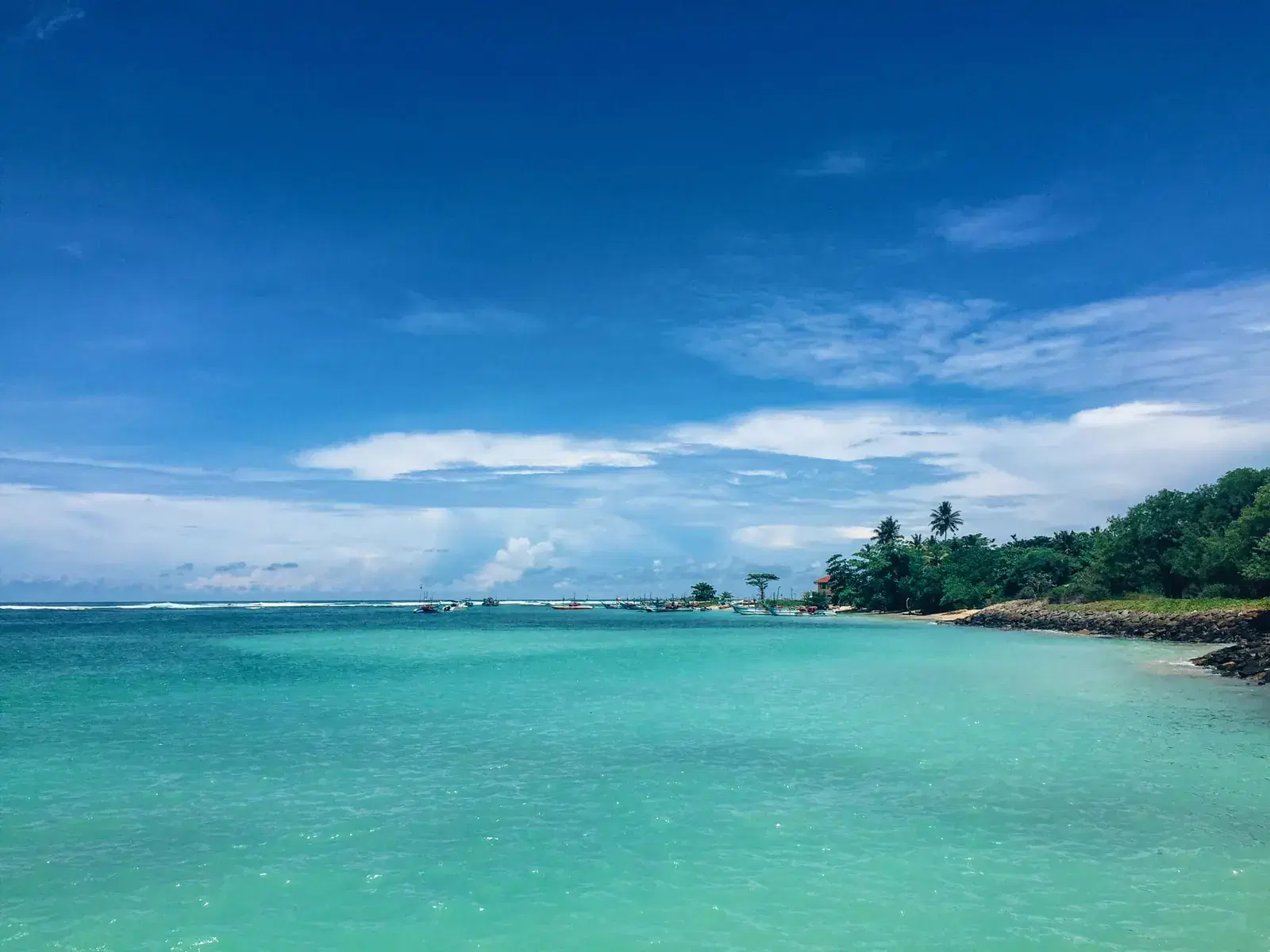
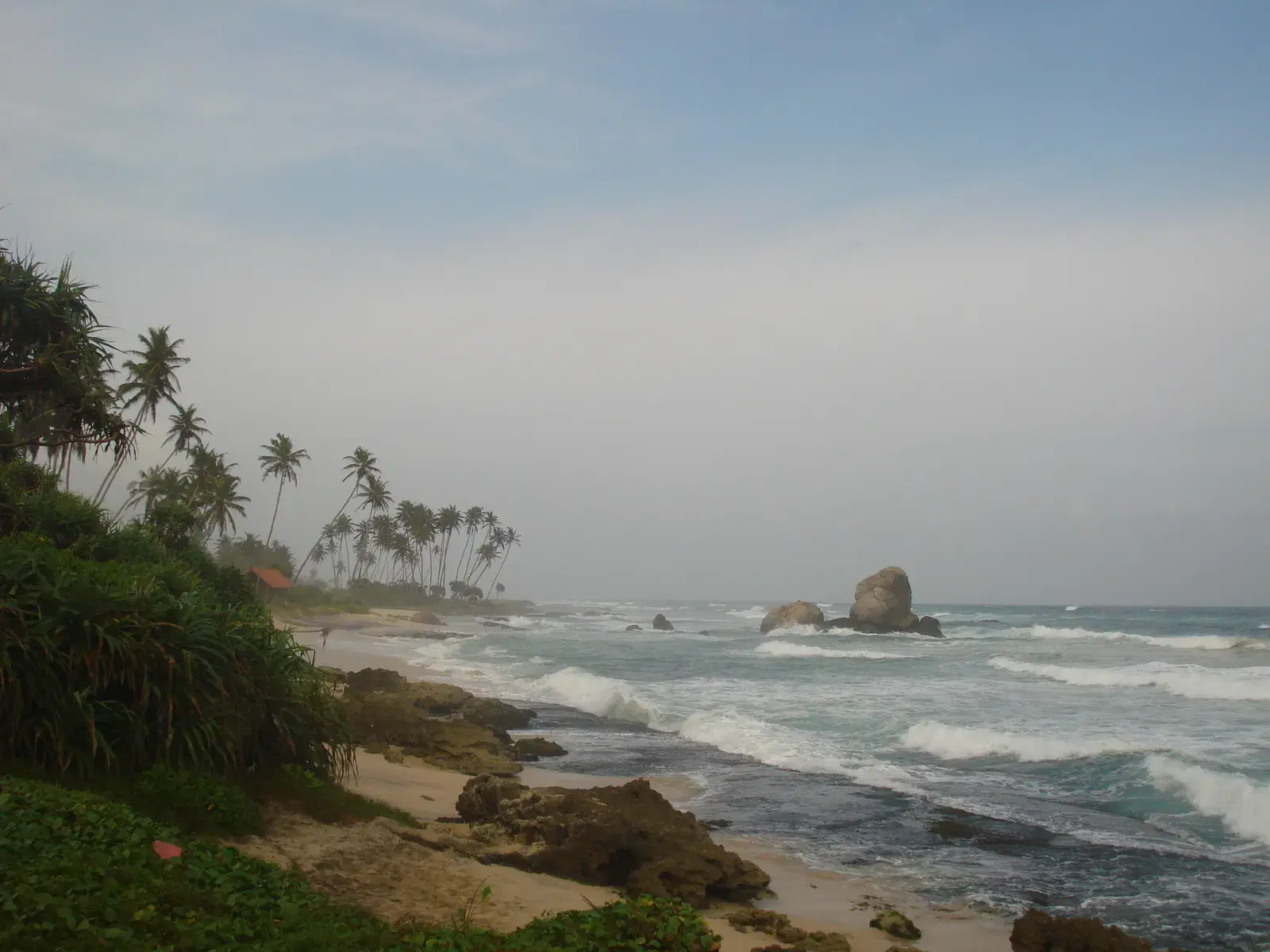
Ahangama has quietly become one of Sri Lanka's most serious surf towns, distinguished from the beginner-friendly sand-bottom waves of nearby Weligama by a string of reef breaks that reward intermediate and advanced surfers with faster, more technical waves. Names like Ahangama Right, Rams, and Plantation Reef come up constantly in conversation among the surfers who base themselves here for weeks or months at a time, and the town's identity has grown up around that crowd — a scattering of surf-focused guesthouses, good coffee, and a noticeably more laid-back, less package-tourist pace than the busier stretches of coast further west.
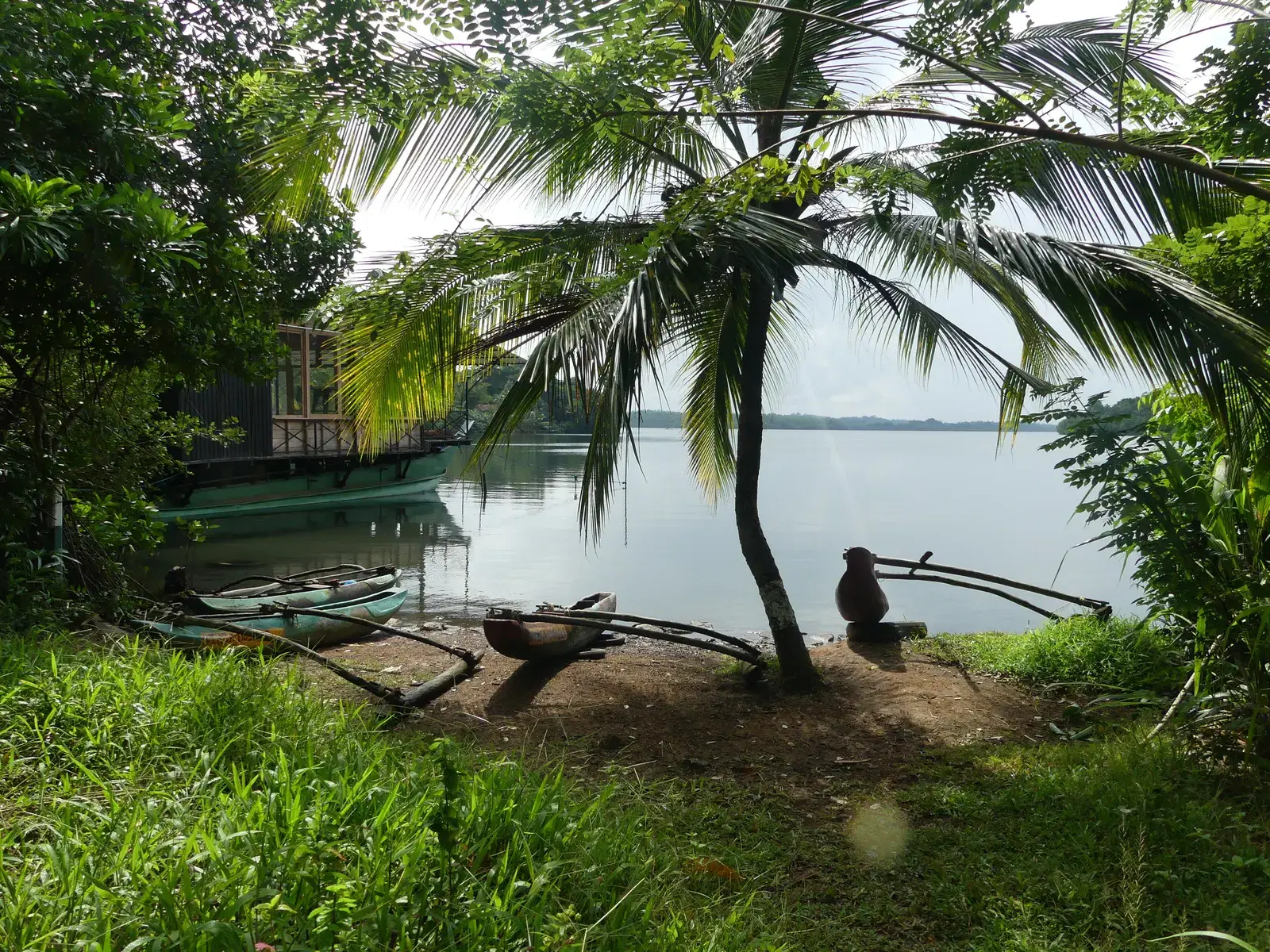
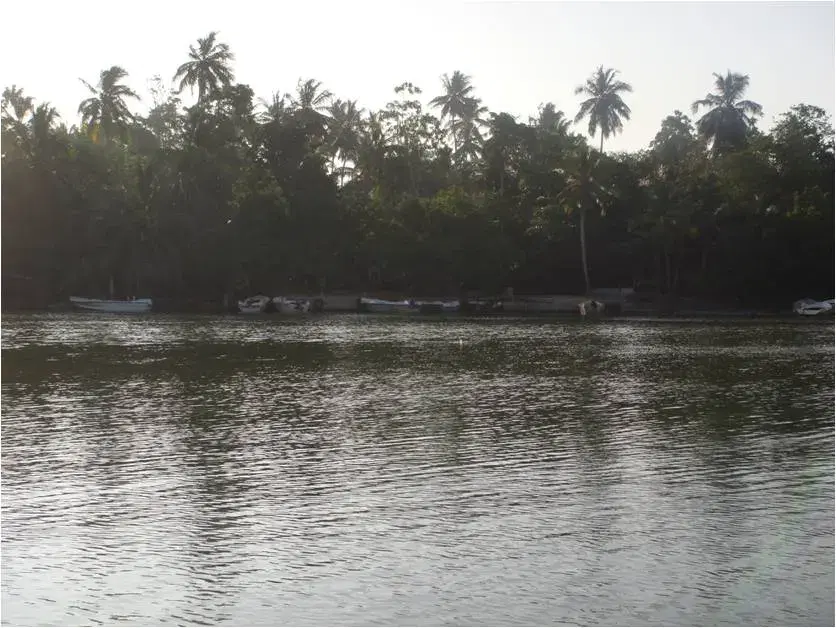
Just inland, Koggala Lake offers a genuinely different kind of experience: a large brackish lagoon dotted with small islands, explored by boat tours that visit a cinnamon-growing island where guides demonstrate traditional peeling and processing, alongside Buddhist temple ruins and abundant birdlife. It's a slower, more contemplative counterpoint to the surf scene on the coast just a few minutes away, and one of the more underrated half-day activities on the south coast precisely because it doesn't get the same attention as headline attractions elsewhere.
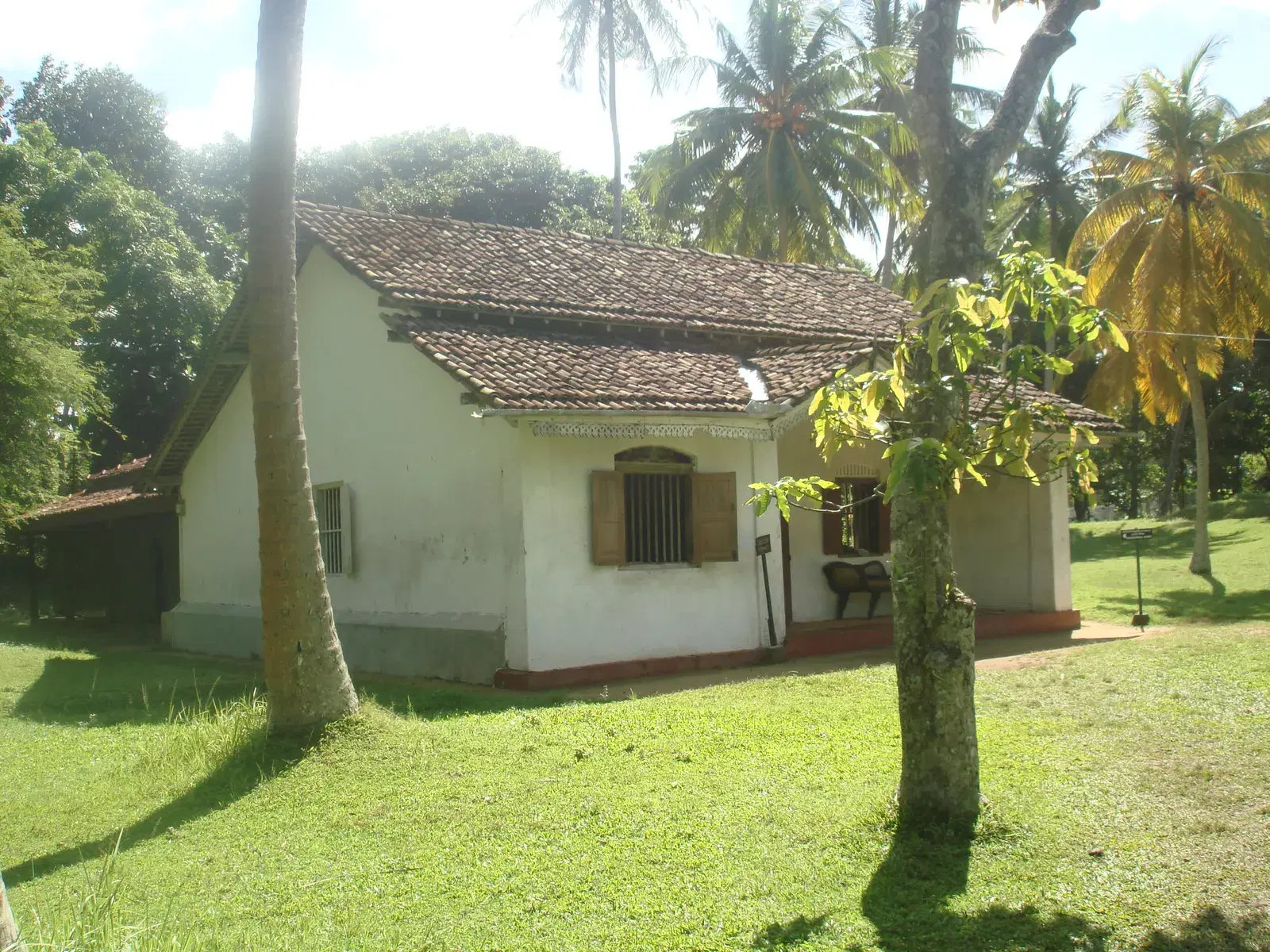
The area also has real literary and cultural weight: the Martin Wickramasinghe Folk Museum in Koggala honors one of Sri Lanka's most important 20th-century novelists and doubles as a genuinely well-curated museum of traditional Sinhalese rural life — masks, tools, textiles, and everyday objects that give context to the coastal culture surrounding the surf breaks and beaches.
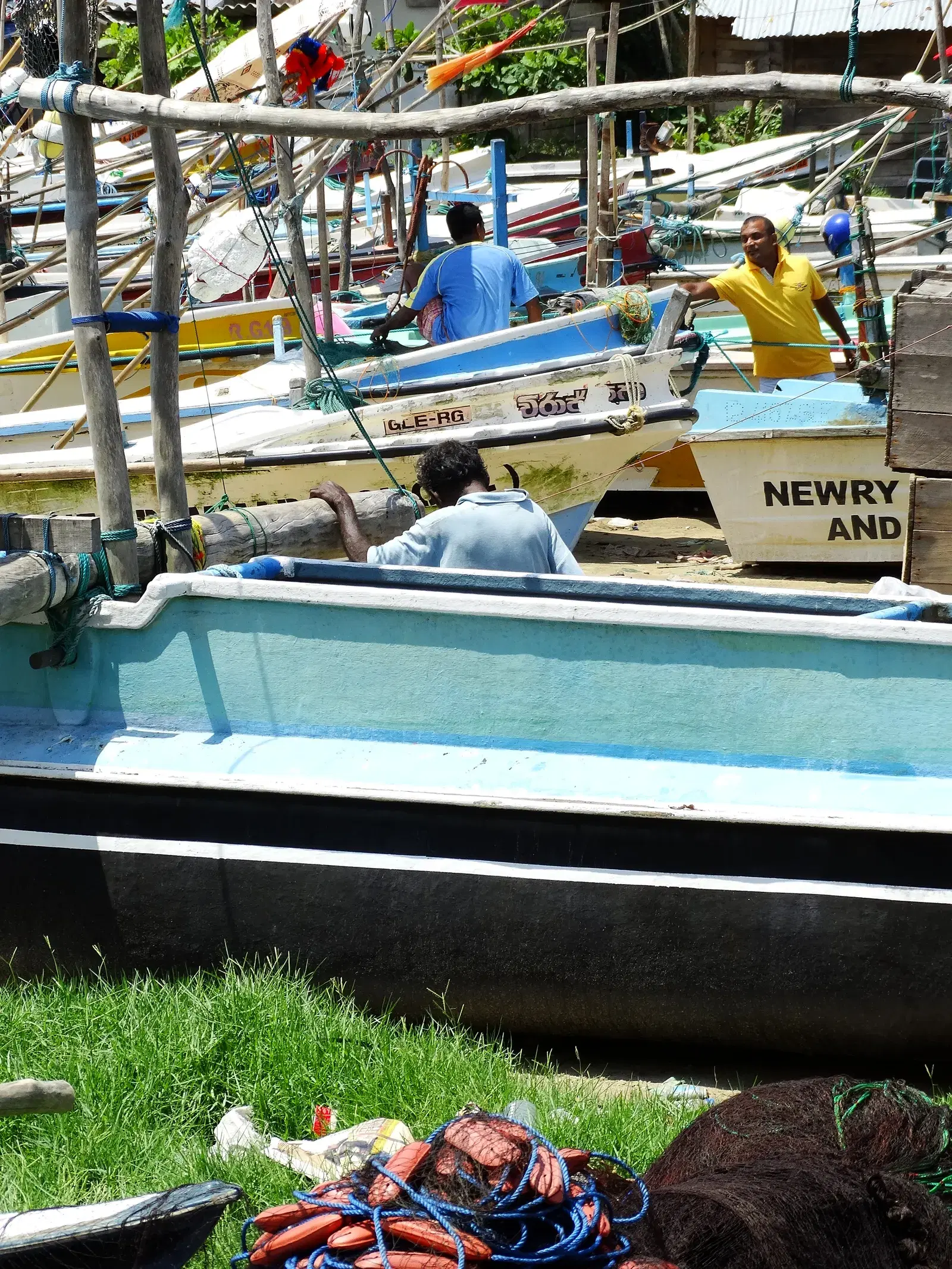
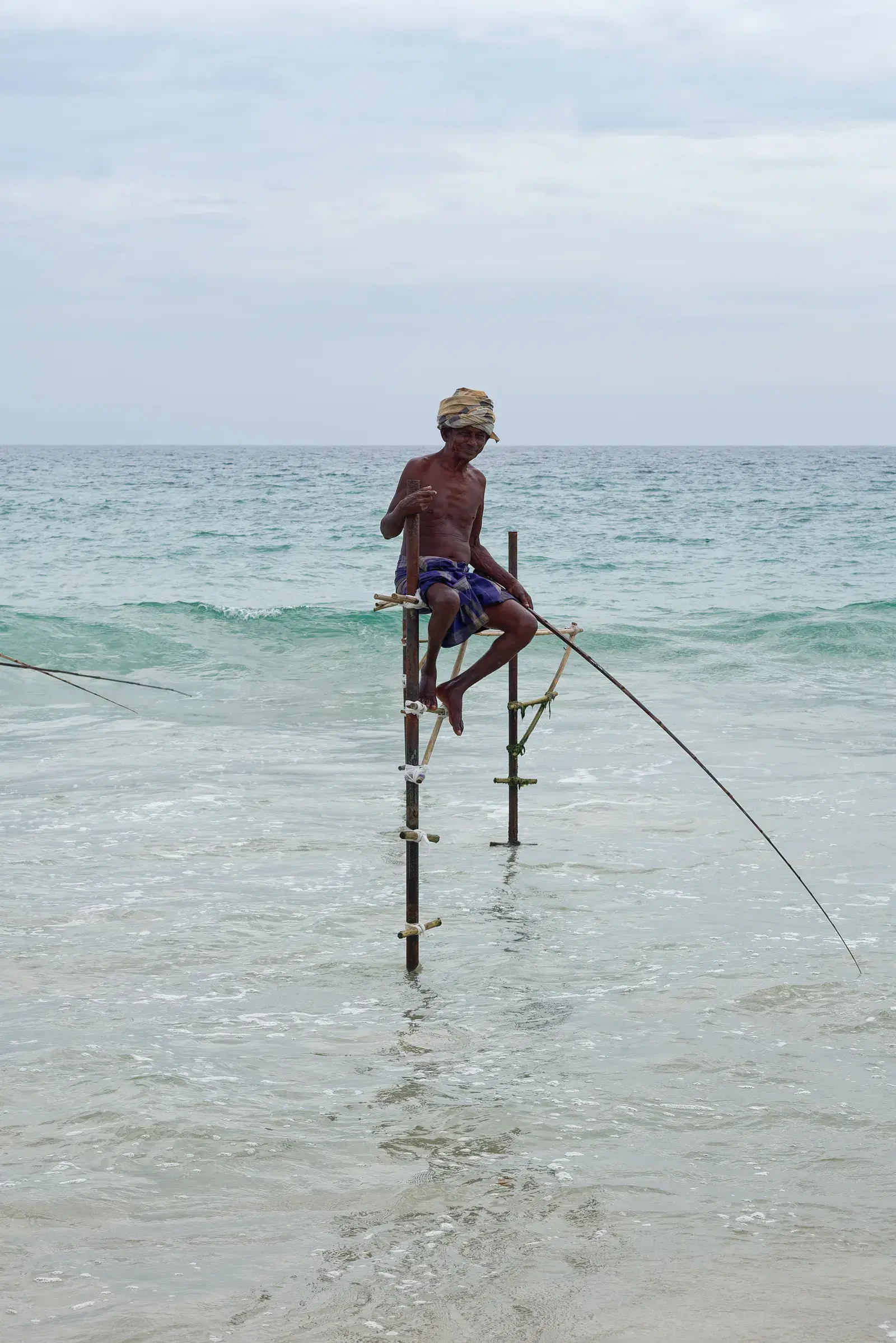
Stilt fishing, the iconic image most visitors associate with Weligama and Galle further along the coast, is also practiced around Koggala and Ahangama, and the fishermen here are generally less accustomed to tourist cameras than the more heavily visited spots — meaning encounters feel more incidental and less staged, though also fewer in number as the tradition continues to fade across the whole coast.
The wider Koggala area also carries some 20th-century aviation history that surprises most first-time visitors: during the Second World War, the British Royal Air Force established a seaplane base on Koggala Lake, using its calm, sheltered waters to operate reconnaissance flights across the Indian Ocean. Traces of that era are largely gone now, absorbed back into the quiet lakeside scenery, but it's a reminder that this stretch of coast has played a larger role in regional history than its current low-key, surf-town identity might suggest.
What ties the whole area together — surf breaks, lake, museum, and beaches — is a sense of unhurried, still-developing tourism. Ahangama in particular has grown steadily as surfers priced out of or bored with Weligama have moved a little further down the coast, but it hasn't yet reached the density of guesthouses, restaurants, and tour touts found in more established south coast towns, which for many visitors is exactly the appeal.
Why go to Koggala & Ahangama
- Ahangama's reef breaks offer genuinely challenging intermediate-to-advanced surf, a step up from the beginner-friendly waves at nearby Weligama.
- Koggala Lake's boat tours to the cinnamon island are an underrated, slower-paced half-day activity distinct from the coastal surf scene.
- The Martin Wickramasinghe Folk Museum provides real cultural depth and context to the region's rural Sinhalese heritage.
- The area has a noticeably more laid-back, less commercialized feel than the busier surf and beach towns further west along the same coast.
How to get to Koggala & Ahangama
From Bandaranaike Airport (CMB) — Private car or taxi
About 155 km, roughly 2.5-3 hours via the Southern Expressway (E01).
From Colombo — Train
The coastal line connects Colombo to Koggala/Ahangama in roughly 3 hours.
From Galle — Tuk-tuk or bus
About 15 km, roughly 20-25 minutes.
From Weligama — Tuk-tuk
About 10 km, roughly 15-20 minutes — the two towns are close enough to combine easily.
Best time to visit Koggala & Ahangama
| Months | Rainfall | Crowds | Verdict |
|---|---|---|---|
| Nov. – Apr. | Low (south coast dry season) | Higher | The most reliable weather window, with generally good surf conditions for the reef breaks. |
| May – Oct. | Higher (southwest monsoon) | Lower | The sea can be rougher and less predictable for surfing, but prices drop and the area is noticeably quieter. |
Things to do in Koggala & Ahangama
Surfing Ahangama's reef breaks
Faster, more technical reef breaks than the beginner-friendly sand-bottom waves at nearby Weligama — a genuine step up for surfers with some experience. Several well-regarded surf schools and board rental shops cater to both the intermediate crowd and travelers wanting to progress beyond the basics.
Koggala Lake boat tour
A relaxed boat tour through a network of small islands on this brackish lagoon, including a stop at a cinnamon-growing island where guides demonstrate traditional bark-peeling and processing. Also good for spotting water birds and, with luck, monitor lizards along the banks.
Martin Wickramasinghe Folk Museum
Honoring one of Sri Lanka's most significant 20th-century novelists, this museum doubles as a well-curated collection of traditional Sinhalese rural artifacts — masks, tools, and textiles — offering real cultural context beyond the beach and surf scene.
Ahangama and Koggala beaches
Long, less crowded stretches of sand compared to Weligama or Mirissa, with a noticeably quieter, more local atmosphere. Some sections have decent swimming conditions; others are better suited to watching the surfers than joining them. Sunset here tends to draw a small, low-key crowd of surfers and locals rather than the busier sundowner scenes found further along the coast.
Stilt fishing spots
Genuine stilt fishing, less accustomed to tourist cameras than the more heavily visited spots further along the coast, though sightings are less predictable as the tradition continues to fade region-wide.
Cafés and coworking spaces
A small but growing scene of good coffee shops and casual coworking spots has developed alongside the surf crowd — useful if you're staying longer and want to mix remote work with surf sessions.
Site of the former WWII seaplane base
Little remains of the Royal Air Force seaplane base that once operated from Koggala Lake during the Second World War, but the calm, sheltered water that made it a practical operating base is still exactly what makes the lake so pleasant for boat tours today — a quiet historical footnote for anyone curious about the region's wartime past.
Where to stay in Koggala & Ahangama
Budget — Ahangama
- Surf-focused guesthouses — Simple rooms geared toward the surf crowd, roughly $15-30/night.
Mid-range — Ahangama
- Mid-range boutique guesthouses — A comfortable step up, often with good on-site cafés and a social atmosphere.
High-end — Koggala/Ahangama coast
- Beachfront boutique resorts — Upscale, design-forward properties along this stretch of coast, generally quieter and more private than comparable options in Weligama or Mirissa.
Where to eat in Koggala & Ahangama
Surf café scene
Breakfast bowls, specialty coffee, light Western fare
~600-1,800 LKR
Local restaurants
Sri Lankan rice and curry, fresh seafood
~500-1,200 LKR
Beachfront resort restaurants
International and Sri Lankan dishes
~1,500-3,500 LKR
Getting around Koggala & Ahangama
Ahangama and Koggala's main areas are compact enough to explore on foot or by bicycle.
Tuk-tuks are readily available for trips to Koggala Lake, the folk museum, or nearby Weligama and Galle; agree on a fare before setting off.
Many guesthouses rent scooters by the day or week, a practical option for exploring further afield.
What it costs — daily budget
| Tier | Per day (USD) | Per day (LKR) | Includes |
|---|---|---|---|
| Backpacker | $20-35 | ≈ 6,000-10,500 LKR | Budget guesthouse, local meals, board rental, occasional tuk-tuk rides. |
| Mid-range | $45-85 | ≈ 13,500-25,500 LKR | Comfortable mid-range guesthouse, restaurant meals, a surf lesson, Koggala Lake boat tour. |
| Comfort | $120-250 | ≈ 36,000-75,000 LKR | Boutique beachfront resort, private surf coaching, dining at resort restaurants. |
Safety and scams in Koggala & Ahangama
Ahangama's reef breaks are genuinely more challenging than beginner spots nearby — know your surf level honestly before paddling out, or take a lesson first.
Reef breaks mean actual coral or rock beneath the surface in places; reef booties or at minimum caution around shallow sections are worth considering.
As with any south coast beach, check locally for rip currents before swimming in unfamiliar areas.
Approach stilt fishermen respectfully — they're working, not posing — and ask before taking close-up photos.
Hidden gems near Koggala & Ahangama
- Koggala Lake's quieter island temples — Beyond the cinnamon island stop most tours make, some operators will detour to smaller, little-visited temple ruins on request.
- Early morning surf sessions — Before the day's crowds and wind pick up, the reef breaks here are often at their cleanest and least crowded.
- The Martin Wickramasinghe Folk Museum — Frequently skipped by surf-focused visitors entirely, despite being one of the better cultural museums on the south coast.
- The old seaplane base site on Koggala Lake — A little-known piece of Second World War history hiding in plain sight along an otherwise purely scenic lakeshore.
Suggested Koggala & Ahangama itineraries
2 days
Day 1: Morning surf session at one of Ahangama's reef breaks, afternoon at the Martin Wickramasinghe Folk Museum.
Day 2: Koggala Lake boat tour in the morning, beach relaxation and a second surf session in the afternoon.
4-5 days (surf-focused stay)
Days 1-3: Progressive surf sessions at different reef breaks, café and coworking time between sessions.
Day 4: Koggala Lake boat tour and folk museum.
Day 5: Final surf session, relaxed beach day before departure.
Where to go next from Koggala & Ahangama
Koggala & Ahangama FAQ
Is Ahangama good for beginner surfers?
Not primarily — its reef breaks are faster and more technical than the beginner-friendly sand-bottom waves at nearby Weligama, making it better suited to intermediate and advanced surfers, though lessons are available for those wanting to progress.
What is there to do at Koggala Lake?
Boat tours explore a network of small islands including a cinnamon-growing island with traditional processing demonstrations, along with temple ruins and birdlife, typically taking 1.5-2.5 hours.
What is the Martin Wickramasinghe Folk Museum?
A museum in Koggala honoring one of Sri Lanka's most important 20th-century novelists, doubling as a well-curated collection of traditional Sinhalese rural artifacts including masks, tools, and textiles.
How far is Ahangama from Weligama?
About 10 km, roughly 15-20 minutes by tuk-tuk — close enough that many travelers combine both in the same trip.
Can I still see stilt fishermen around Ahangama and Koggala?
Yes, though sightings are less predictable than in the past as the tradition fades across the south coast; fishermen here are generally less accustomed to tourist cameras than at more heavily visited spots.
How many days should I spend in Ahangama?
Two days covers the core sights and a surf session or two; surf-focused travelers often stay 4-5 days or longer to progress across multiple reef breaks.
Is there any historical significance to Koggala Lake?
Yes — during the Second World War, the British Royal Air Force operated a seaplane base on the lake, using its calm, sheltered water for Indian Ocean reconnaissance flights, though little physical evidence of that era remains today.