
Galle
A practical Galle Fort guide: it's free to enter, honest advice on the stilt fishermen photo op, real café and restaurant names, where to stay, and how to get there from Colombo.
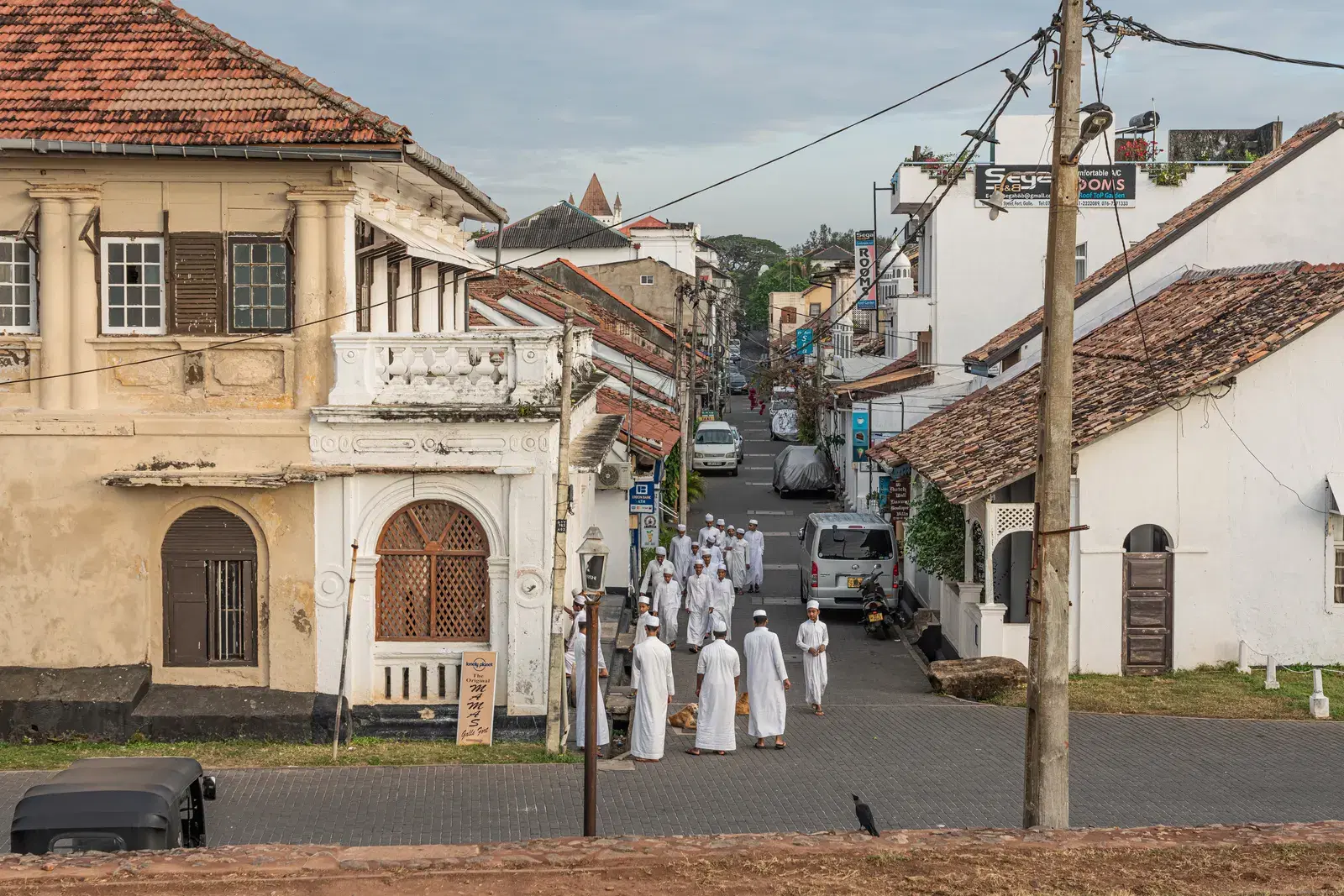
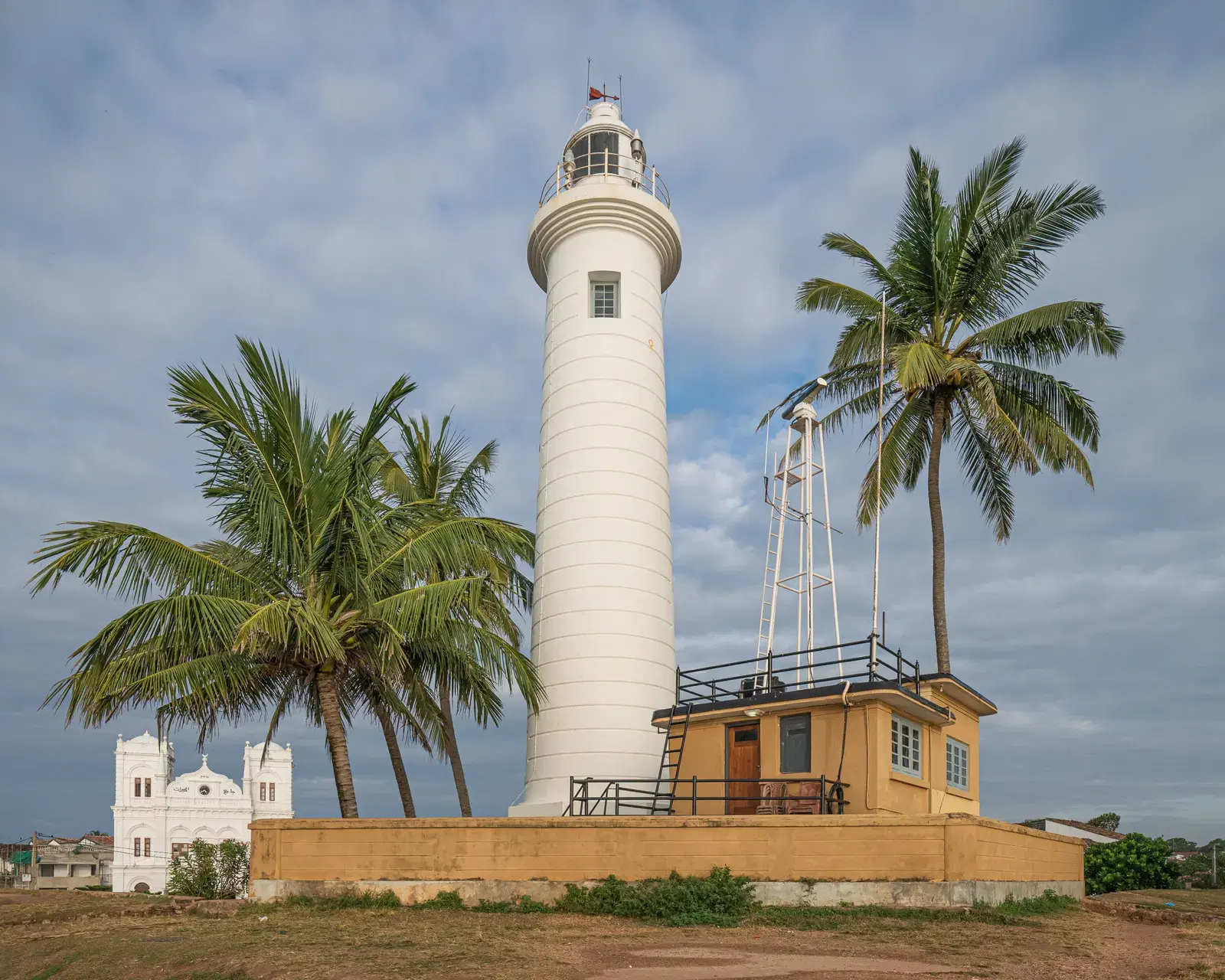
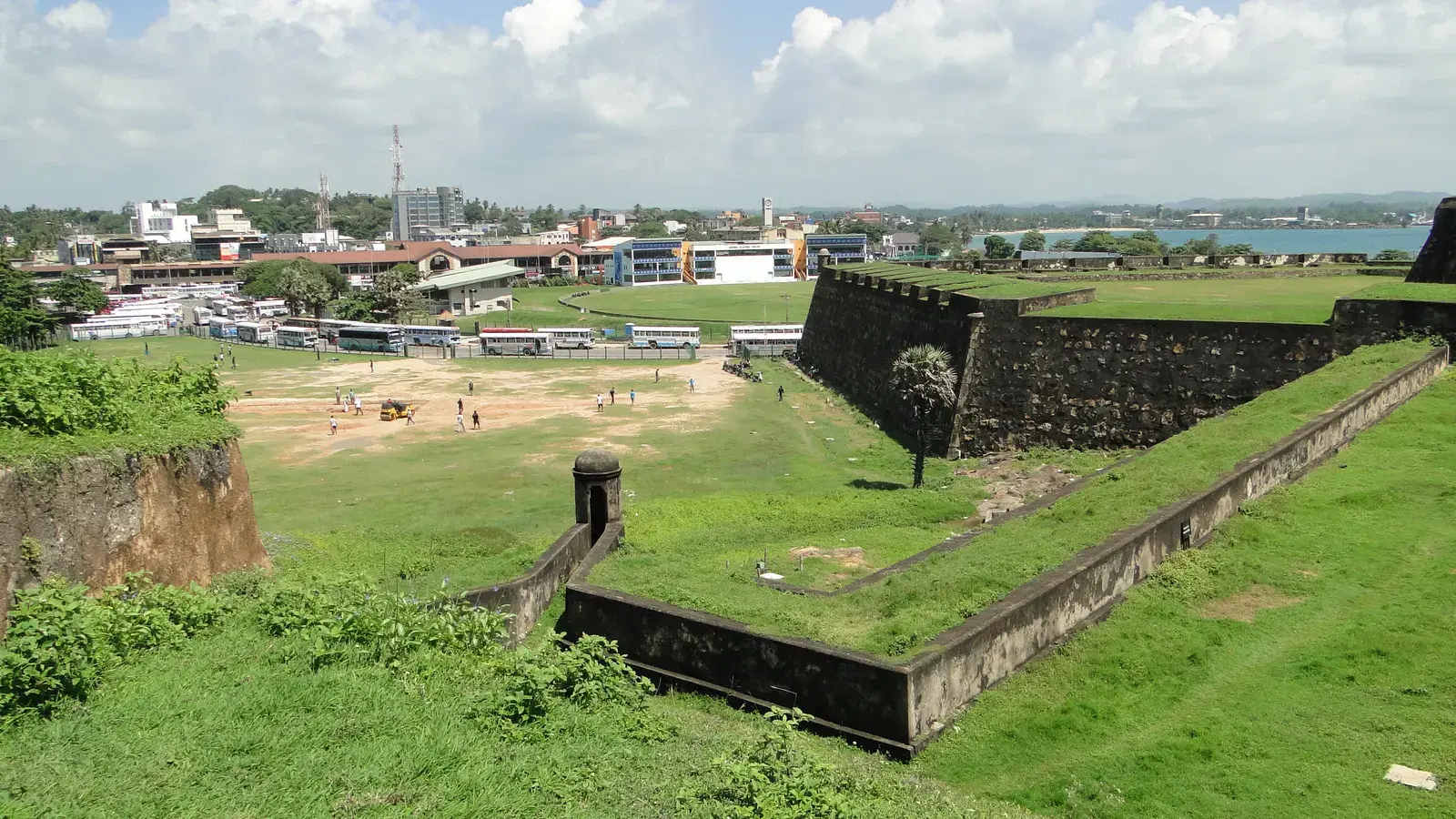
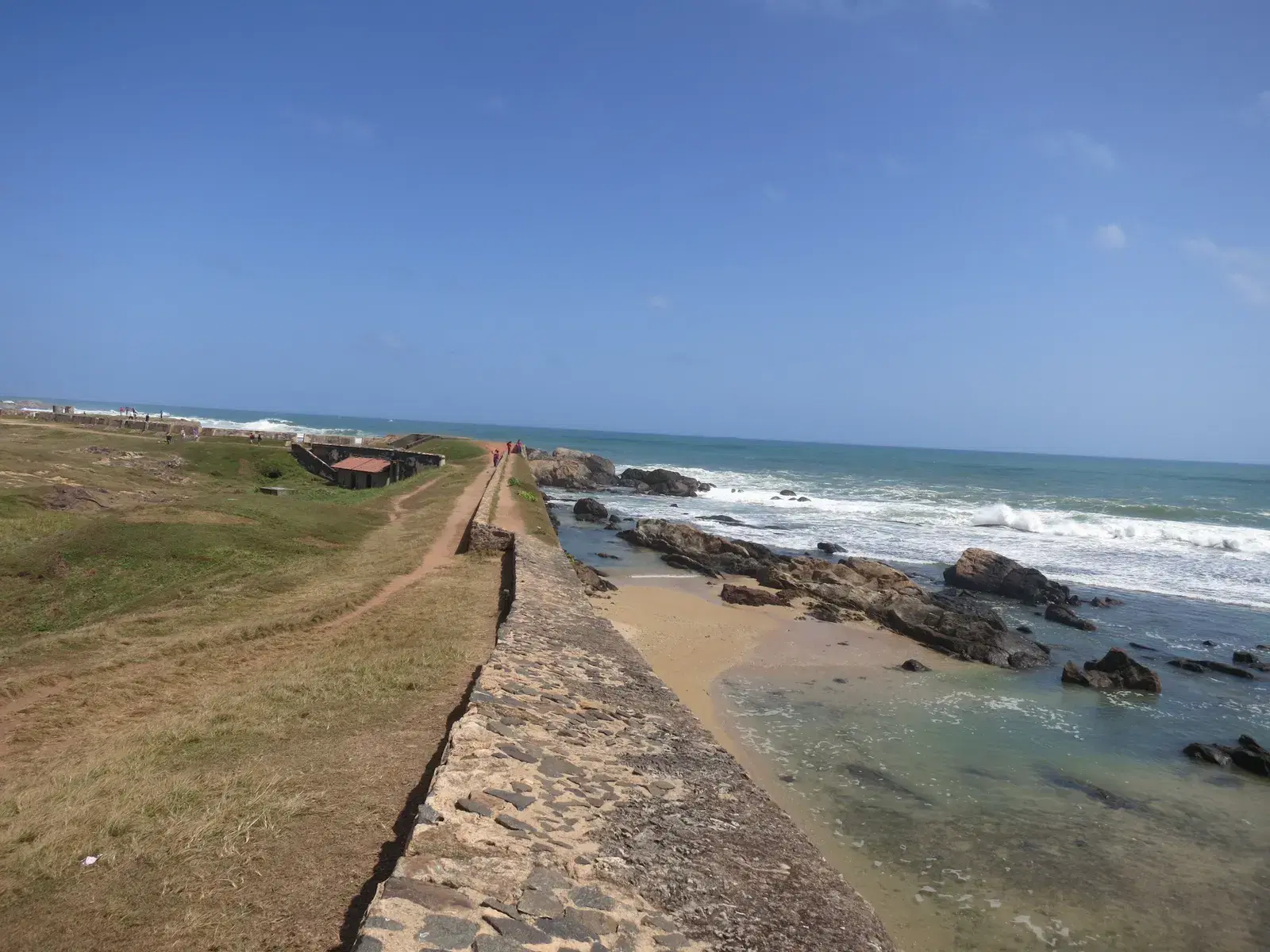
Galle Fort is a genuinely lived-in UNESCO World Heritage Site — a Dutch-built colonial fort with roughly 3,000 people still living and working inside its walls, not a roped-off museum piece. Cobblestone streets, boutique shops, a working lighthouse, and 1.5km of ramparts you can walk for free, at any hour, with the Indian Ocean on one side.
It's also, unlike almost everything else on this list, entirely free to enter — no ticket, no gate, open 24/7. Budget your money for the cafés and the boutique hotels instead, because that's where Galle actually costs something.
The fort was originally fortified by the Portuguese in the 16th century and substantially rebuilt by the Dutch through the 17th and 18th centuries, which is why the architecture here reads as distinctly Dutch colonial rather than the British colonial style found in Kandy or Nuwara Eliya — thick coral-and-limestone ramparts, gabled roofs, and a street grid that's changed remarkably little in three centuries. That continuity is part of why UNESCO listed it, and part of why walking it feels different from most "old town" areas elsewhere in Asia that have been substantially rebuilt or reconstructed.
Why go to Galle
- One of the best-preserved colonial forts in Asia, and unusual among tourist sites for being a genuine, functioning neighbourhood rather than a museum piece.
- It's completely free — the ramparts, the streets, the lighthouse view are all open access, no ticket required.
- Strong Chinese and European interest, and correspondingly a very well-developed café and boutique-shopping scene inside the fort walls.
- It's the natural hub for the whole south coast — day trips to the stilt fishermen, Unawatuna, and Mirissa are all short hops from here.
How to get to Galle
From Colombo Fort — Train
The most-recommended way in — a coastal route with real ocean views for much of the ride. About 2 hours on the direct services (roughly 5 departures a day), tickets from around LKR 200–300 in ordinary class up to higher-class options. Get there early for a seat; this route is popular and can fill up.
From Colombo — Express bus (expressway)
Around 90 minutes on air-conditioned expressway buses, generally the fastest ground option and cheap by international standards.
From Bandaranaike Airport (CMB) — Private transfer
Around 2–2.5 hours, roughly $100–150 USD for the car. Given the flat, fast expressway route, this is one of the more comfortable long airport transfers on the island.
Best time to visit Galle
| Months | Rainfall | Crowds | Verdict |
|---|---|---|---|
| Dec – Mar | Low | High (peak season) | Best weather for rampart walks and beach add-ons; book boutique hotels ahead. |
| Apr – Sep | Rising (southwest monsoon affects the south coast directly) | Medium | This is the wetter, rougher-sea season for the south coast specifically — the fort itself is still pleasant, but beach days elsewhere on this coast are less reliable. |
| Oct – Nov | Moderate, transitional | Low | A reasonable shoulder-season window, with lower prices and thinner crowds on the ramparts. |
Things to do in Galle
Walk the Fort ramparts
The single best free activity in Sri Lanka's south. Sunset from the ramparts near the lighthouse is genuinely one of the best views on this coast, and it costs nothing — just arrive 30–45 minutes before sunset to claim a spot as the crowd builds.
Galle Lighthouse
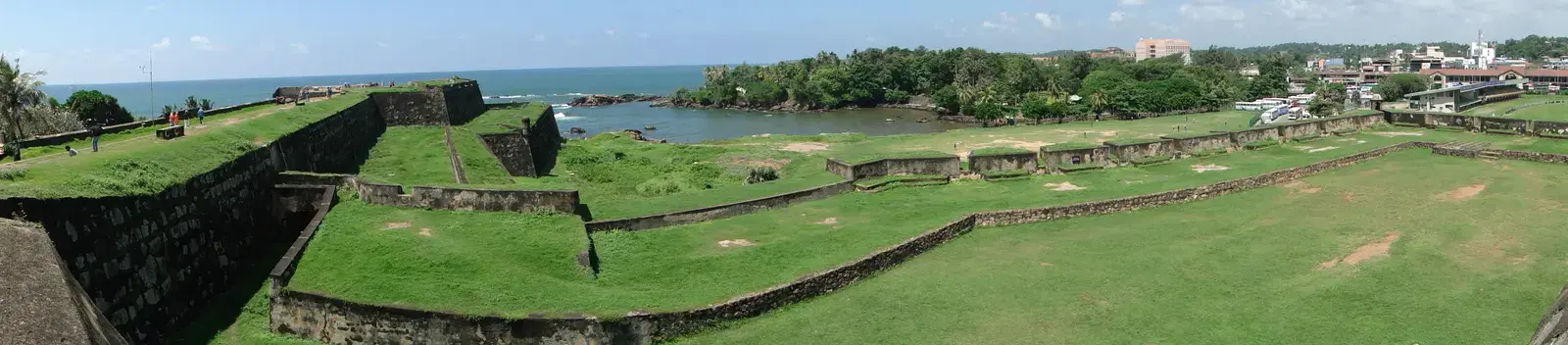
A working navigation light operated by the Sri Lanka Ports Authority — you can't go inside, and don't let anyone near the entrance tell you otherwise for a "fee." It's a photo stop, not an attraction with an interior to explore.
Wander the fort's interior streets
Colonial architecture, the Dutch Reformed Church, small museums, and a genuinely good concentration of boutique shops and cafés along and around Pedlar Street. This is where a Galle visit actually costs money — treat the walking itself as free and the browsing as the spending part. The fort's residential back streets, away from the main shopping drag, are worth a deliberate detour if you want a sense of it as a lived-in neighbourhood rather than a tourist strip — families hang washing between colonial-era balconies a two-minute walk from where cruise groups photograph the ramparts.
Stilt fishermen photo stop
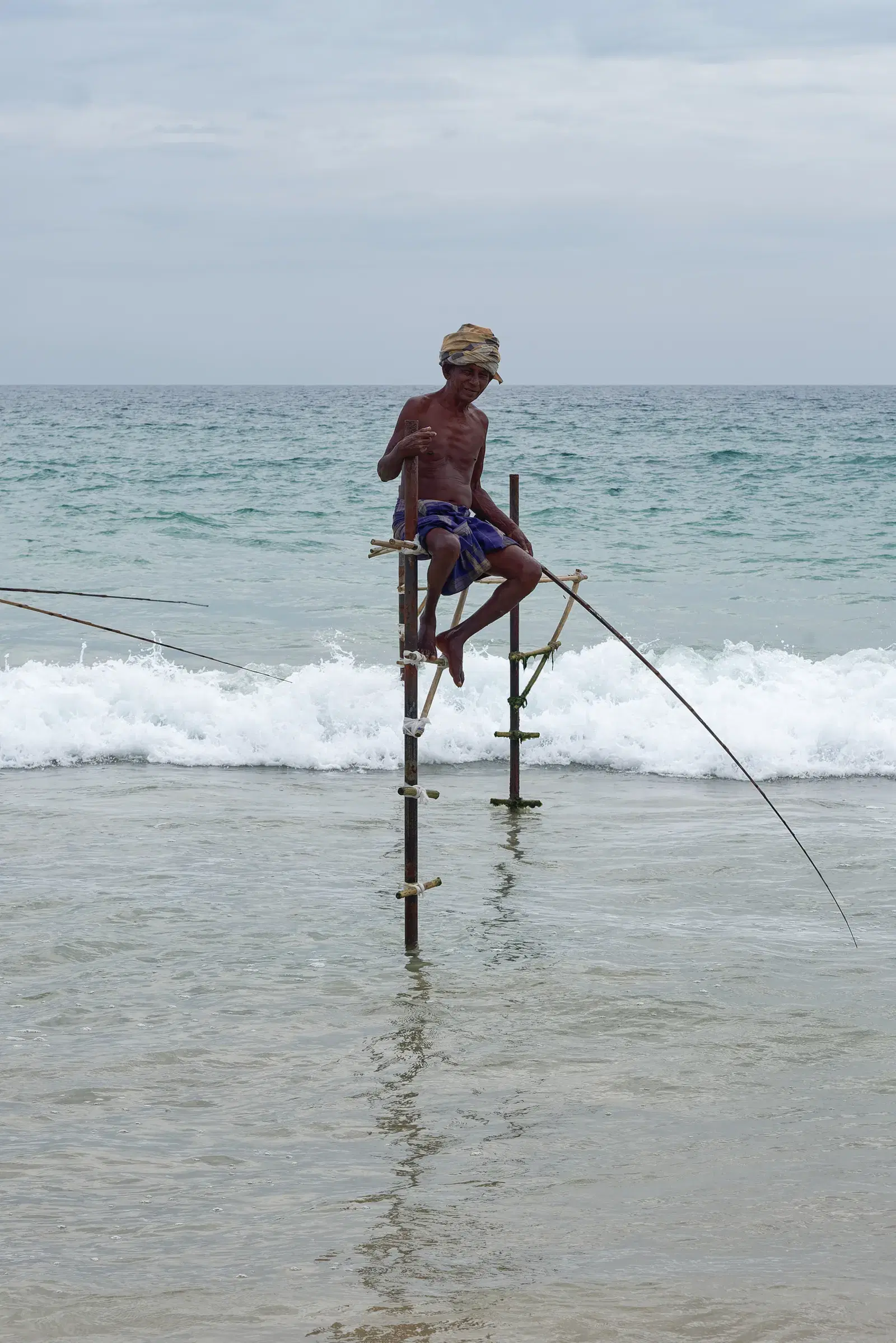
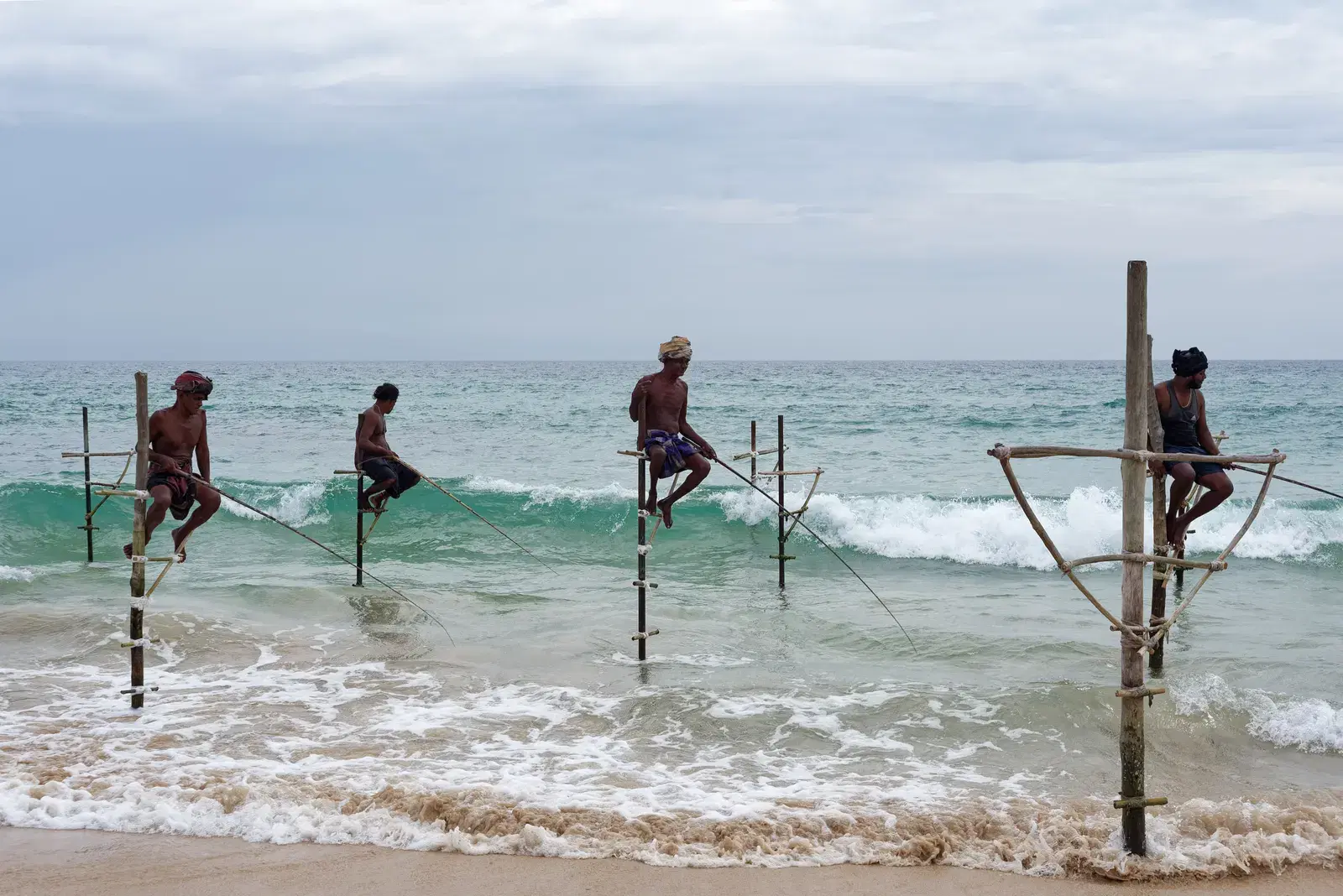
Worth knowing before you go: genuine subsistence stilt fishing has largely died out since reef damage from the 2004 tsunami made the practice unproductive. Most of what you'll see today — usually a short drive toward Koggala rather than right at the fort — is men posing on the stilts for a fee, not actually fishing. It's still a striking, photogenic scene and a fair way to put a few dollars directly into someone's pocket; just go in knowing it's a performance, not candid documentary fishing, so you're not disappointed by the transaction.
Jungle Beach / Unawatuna day trip
A short tuk-tuk or drive from the fort — a smaller, calmer beach than the main Unawatuna strip. A reasonable half-day add-on if you want sea time without leaving the Galle area entirely.
Where to stay in Galle
Budget — Inside or just outside the fort walls
- Guesthouses near the fort — From roughly $15–20/night; solid value, though the real boutique character of Galle is more in the mid/high tiers.
Mid-range — Inside the fort
- Boutique guesthouses on and around Pedlar Street — Restored colonial townhouses converted to small hotels — the most characterful way to stay inside the walls without luxury pricing.
High-end — Inside the fort
- Amangalla — The fort's flagship heritage hotel, a former Dutch governor's residence — the splurge option if this is your one big-spend night on a Sri Lanka trip.
- The Fort Bazaar — A well-regarded boutique property in the same colonial-restoration style.
Where to eat in Galle
Church Street Social (The Fort Bazaar)
Elevated Sri Lankan and international menu
~LKR 2,500+
Pedlar Street cafés
Egg hoppers with dhal and sambol, Ceylon tea
~LKR 400–800
Small seafood curry spots inside the fort
Fresh catch curry with rice
~LKR 900–1,600
Getting around Galle
The fort itself is entirely walkable — it's a compact walled peninsula, and a car has no real advantage inside the walls.
For anything outside the fort (Jungle Beach, Koggala, Unawatuna), tuk-tuks are the default; agree the fare before you get in.
If you're day-tripping along the south coast (Unawatuna, Mirissa), a hired tuk-tuk or driver for a half or full day is usually more efficient than arranging separate one-way trips.
What it costs — daily budget
| Tier | Per day (USD) | Per day (LKR) | Includes |
|---|---|---|---|
| Backpacker | $25–40 | ≈ LKR 7,500–12,000 | Budget guesthouse, café and street food, free rampart walks, occasional tuk-tuk. |
| Mid-range | $60–110 | ≈ LKR 18,000–33,000 | Boutique guesthouse inside the fort, restaurant meals, a stilt-fishermen photo stop, regular tuk-tuk use. |
| Comfort | $150–350+ | ≈ LKR 45,000–105,000+ | Heritage hotel stay (Amangalla-tier), fine dining, a private driver for south-coast day trips. |
Safety and scams in Galle
Galle Fort is one of the lower-risk areas for tourists in Sri Lanka — it's affluent, well-lit, and heavily walked at all hours.
The main thing to manage expectations on, rather than worry about safety-wise, is the stilt fishermen: agree the fee before photos are taken, and understand you're paying for a posed scene, not catching someone mid-catch.
Standard south-coast sea caution applies if you head to nearby beaches: check local flag conditions and rip current warnings, especially outside the main dry season (roughly Dec–Mar) when the water is rougher.
As with tuk-tuks anywhere in Sri Lanka, agree the fare before getting in rather than after arriving.
Hidden gems near Galle
- Early-morning rampart walk — Before the tour groups and the sunset crowd — a completely different, quiet version of the same walk.
- Jungle Beach — A smaller, calmer alternative to the main Unawatuna strip, a short trip from the fort.
- The fort's back streets away from Pedlar Street — Quieter residential lanes with less shop-front tourism, a better sense of the fort as a real neighbourhood.
Suggested Galle itineraries
1 day
The essentials: Morning rampart walk and lighthouse, midday exploring Pedlar Street shops and cafés, sunset back on the ramparts near the lighthouse.
2 days
Day 1: Rampart walk, fort interior, Dutch Reformed Church, sunset on the walls.
Day 2: Half-day trip to the stilt fishermen and Jungle Beach, slow afternoon back in the fort's cafés.
3 days (south-coast base)
Day 1: Rampart walk, fort interior, sunset on the walls.
Day 2: Stilt fishermen stop plus a full day at Unawatuna beach.
Day 3: Day trip to Mirissa for whale watching (seasonal) or a slower final morning back in the fort.
Where to go next from Galle

Galle FAQ
Is there an entrance fee for Galle Fort?
No — the fort is a living neighbourhood, not a ticketed site. The ramparts and streets are free and open 24 hours.
Are the stilt fishermen real?
Mostly posed for tourists today, for a fee — genuine subsistence stilt fishing has largely died out since the 2004 tsunami damaged the reef fish stocks that made it viable. It's still worth seeing, just go in knowing it's a paid photo op rather than candid fishing.
How do I get from Colombo to Galle?
The train is the most scenic option, about 2 hours with real ocean views. Express buses on the expressway are faster, around 90 minutes. A private transfer from the airport takes roughly 2–2.5 hours.
How long do I need in Galle Fort?
A half-day covers the ramparts and a walk through the streets. A full day lets you add café time and a proper look at the shops; two days lets you pair it with a south-coast beach day.
Can you go inside Galle Lighthouse?
No — it's an active navigation aid run by the Sri Lanka Ports Authority. You can view and photograph it from outside only.
Is Galle Fort walkable?
Yes, entirely — it's a compact walled peninsula. You'll only need transport for trips outside the fort itself.
Is Galle Fort touristy?
Yes, noticeably — it's one of the most visited single sites on the south coast, with a well-developed boutique-shopping and café scene aimed squarely at visitors. It's still worth it; the fort's actual architecture and atmosphere hold up regardless of the tourist infrastructure around them.
Can I day-trip to Galle from Colombo?
Yes, though it makes for a long day — roughly 2 hours each way by train or expressway bus, leaving a workable but rushed few hours in the fort. An overnight stay is more comfortable if your schedule allows it.
What should I buy in Galle Fort?
The fort has a genuinely good concentration of small, independent boutiques — jewellery, textiles, and locally made homeware are the standout categories, generally at higher prices than a street market but with correspondingly better quality and design.
Is Galle Fort accessible for visitors with mobility limitations?
Partially — the fort's cobblestone streets and uneven rampart sections make it genuinely challenging in places, though the main thoroughfares and Pedlar Street are more manageable than the rampart walk itself.