
Tangalle
A practical Tangalle guide: real turtle-watching costs at Rekawa, the Mulkirigala rock temple and giant Buddha day trip, where to stay on the quieter south coast, and honest daily budgets.
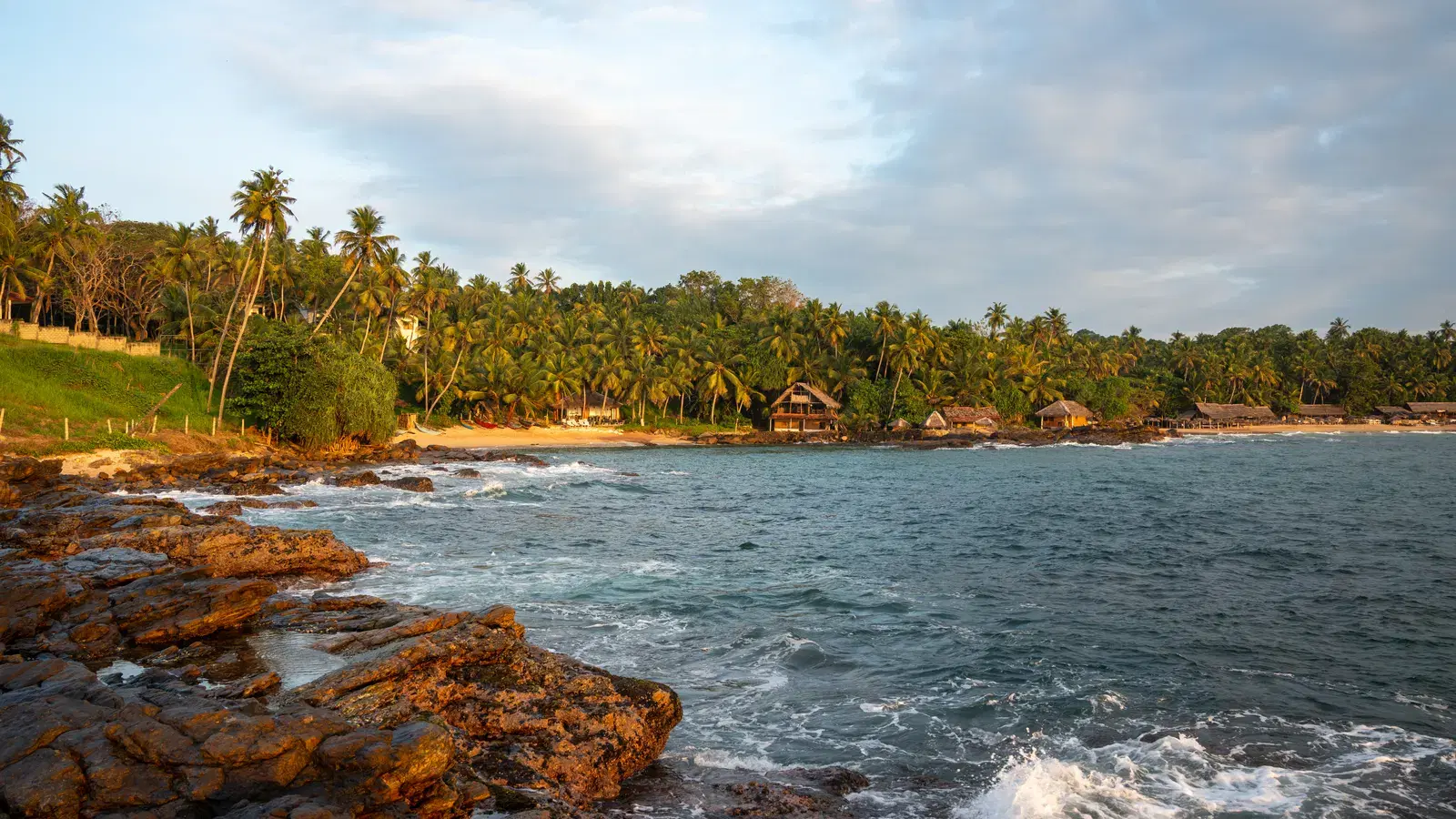
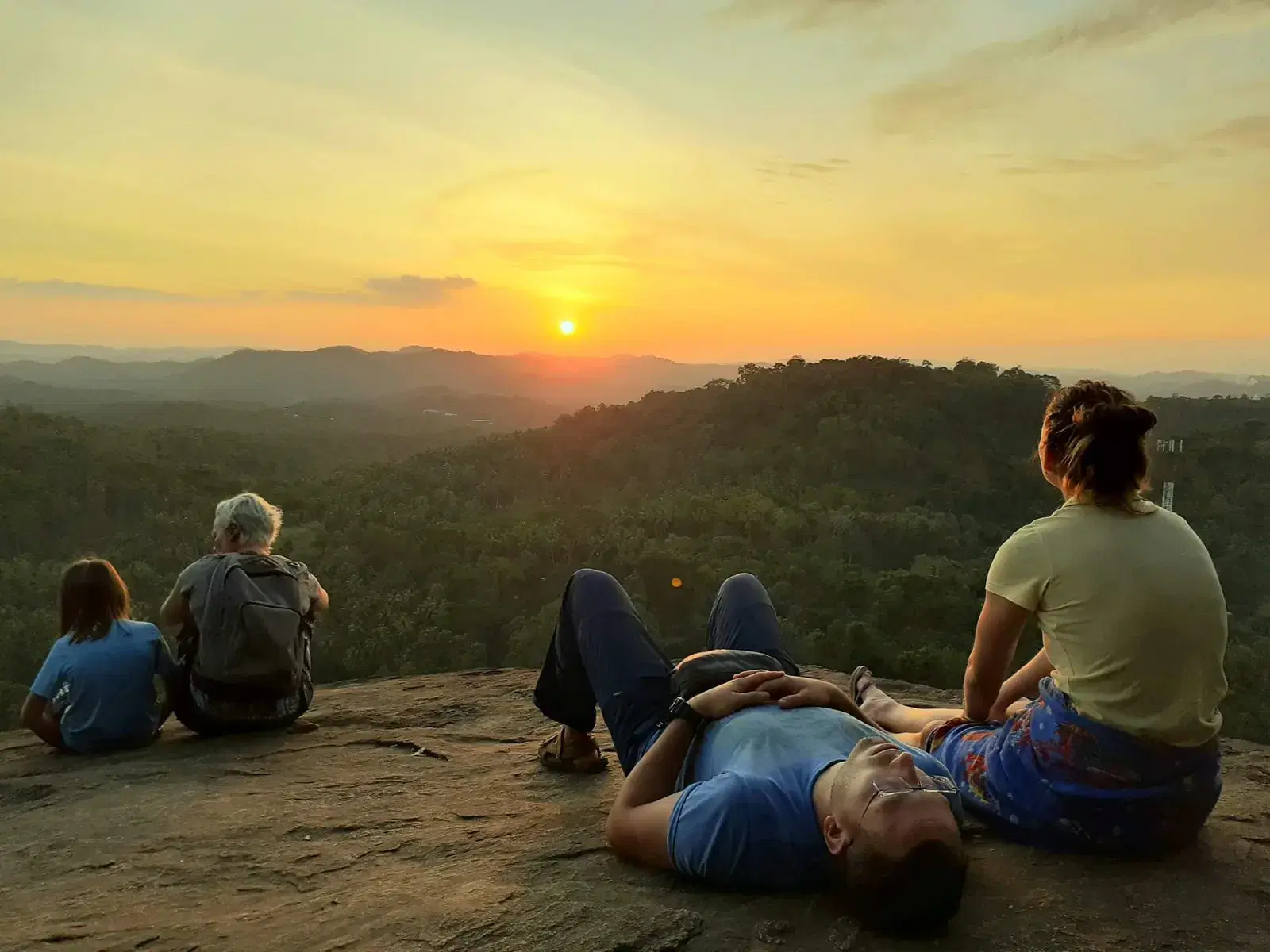
Tangalle is what the rest of the south coast looked like before Unawatuna, Mirissa, and Hikkaduwa built out their beach-bar strips. Tourism here has stayed genuinely low-key — a scattering of guesthouses and a handful of serious luxury properties tucked into coves, rather than a continuous run of restaurants and dive shops. That's the whole appeal: real quiet, on beaches that are every bit as good as the more famous ones further west.
It also sits closer to a cluster of genuinely worthwhile day trips than its quiet reputation suggests. Rekawa Beach, a short drive east, is one of the most important sea turtle nesting sites on the island, with a proper conservation-run night watch rather than a staged photo op. Inland, the Mulkirigala rock temple and the deeply strange, oversized Wewurukannala Buddha at Dikwella both make for a rewarding half-day away from the sand.
The trade-off is infrastructure: Tangalle doesn't have Mirissa's density of restaurants or Unawatuna's easy walkability between guesthouses. Properties here are more spread out along multiple coves — Goyambokka, Medaketiya, Marakolliya — so getting around takes more deliberate planning than in the more compact beach towns nearby. For travelers who want quiet over convenience, that's a fair trade.
It's also worth knowing that Tangalle was badly hit by the 2004 Indian Ocean tsunami, and rebuilding here happened more slowly and less visibly than in the bigger tourist centres further west — a quieter recovery for a town that was already quieter to begin with. Nothing about visiting today calls attention to that history directly, but it's part of why the pace here still feels unhurried rather than commercially polished.
Why go to Tangalle
- It's genuinely quieter than the more developed south-coast beach towns, with real coves rather than a continuous tourist strip.
- Rekawa Beach's turtle-watching program is a legitimate, conservation-run night activity, not a staged tourist photo stop.
- The Mulkirigala rock temple and Wewurukannala's giant Buddha statue give a genuinely different half-day inland from the standard beach-and-boat-tour circuit.
- It has one of the south coast's most respected luxury properties (Amanwella) alongside simple family-run guesthouses, covering a wide range of budgets.
How to get to Tangalle
From Bandaranaike Airport (CMB) / Colombo — Private car
About 195km, roughly 3–3.5 hours via the Southern Expressway.
From Colombo Fort — Train
The coastal line extends to Tangalle; the journey takes roughly 4–5 hours, considerably longer than driving but a scenic, low-cost option.
From Galle — Private car or bus
About 65km, roughly 1–1.5 hours by road.
From Mirissa — Private car or tuk-tuk
About 40km, roughly 1 hour — an easy add-on if you're already touring the south coast.
Best time to visit Tangalle
| Months | Rainfall | Crowds | Verdict |
|---|---|---|---|
| Dec – Mar | Low | Higher (relative to Tangalle's own low baseline) | The most reliable dry weather for beach time and inland day trips — still noticeably quieter than the equivalent season in Mirissa or Unawatuna. |
| Apr – Sep | Rising (southwest monsoon affects this coast directly) | Low | Rougher seas and less reliable swimming conditions; the inland sites (Mulkirigala, Wewurukannala) are unaffected and remain good options in this window. |
| Oct – Nov | Moderate, transitional | Very low | A quiet shoulder-season window with lower prices, though sea conditions are more variable than peak season. |
Things to do in Tangalle
Rekawa Beach turtle watching
A conservation-run turtle watch at one of Sri Lanka's most important nesting beaches, a short drive east of Tangalle. Trained trackers monitor the beach and only bring visitors in once a female turtle has begun nesting, to minimize disturbance — a genuinely more responsible model than beach tours elsewhere on the island. Sightings aren't guaranteed on any given night, which is honestly part of what makes it feel real rather than staged.
Mulkirigala Rock Temples
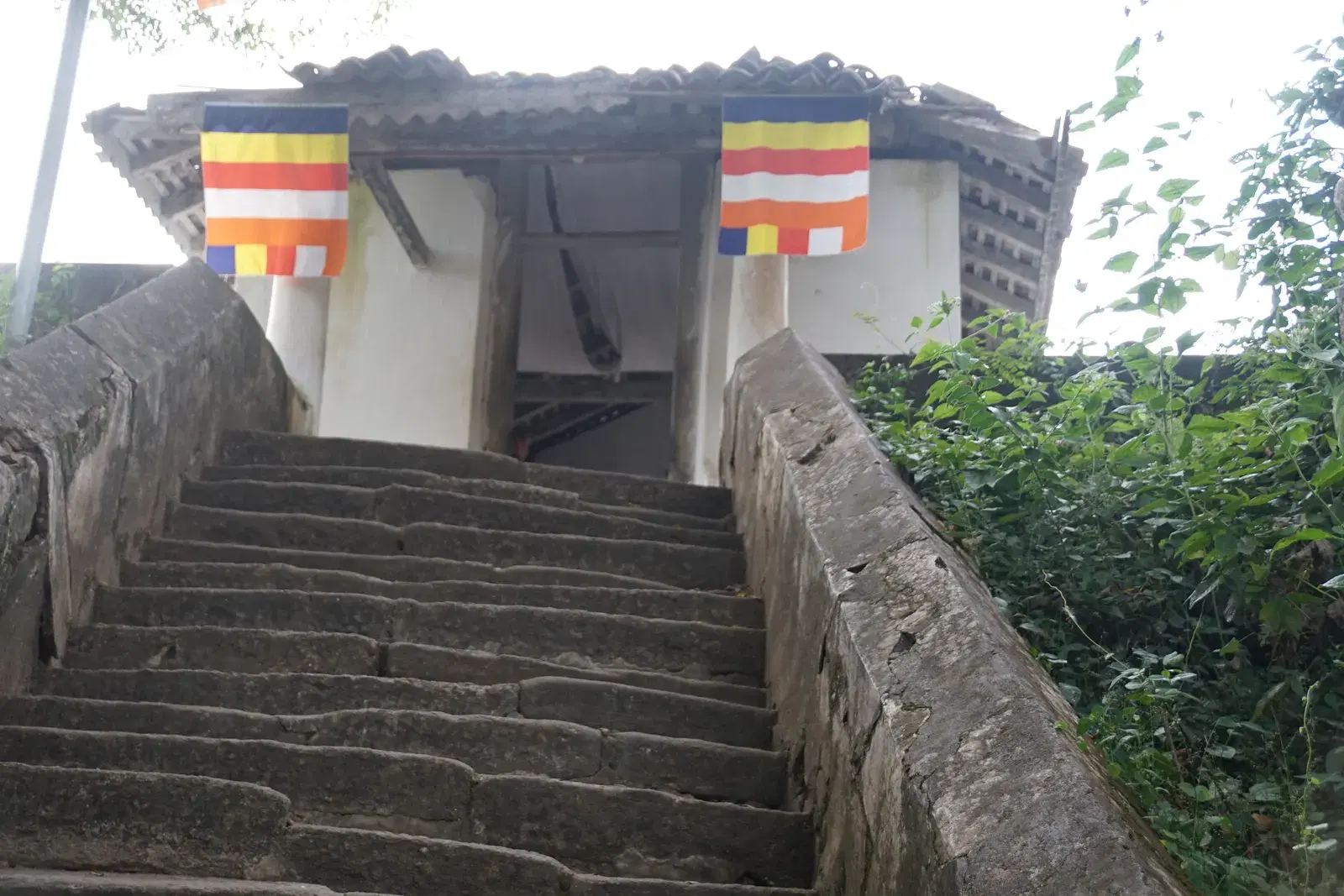
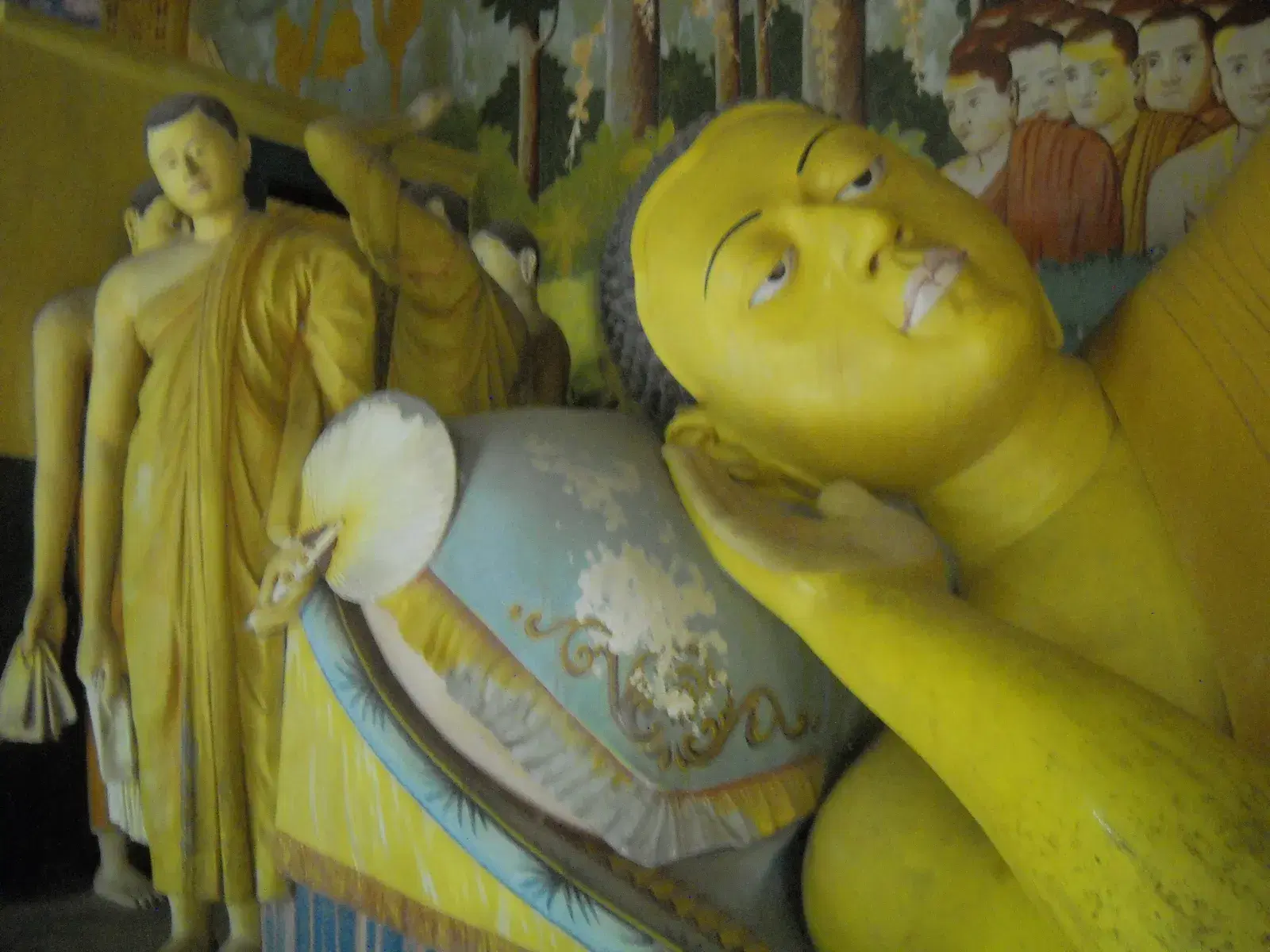
A series of cave temples and shrines built into a 205-metre rock outcrop, ascended via a staircase past several terraces of Buddha statues and murals, with genuinely rewarding views over the surrounding countryside from the top. Sometimes called "Little Sigiriya" for its rock-climbing structure, though the comparison undersells its own distinct, quieter character — this gets a fraction of Sigiriya's visitor numbers.
Wewurukannala Vihara (giant Buddha)
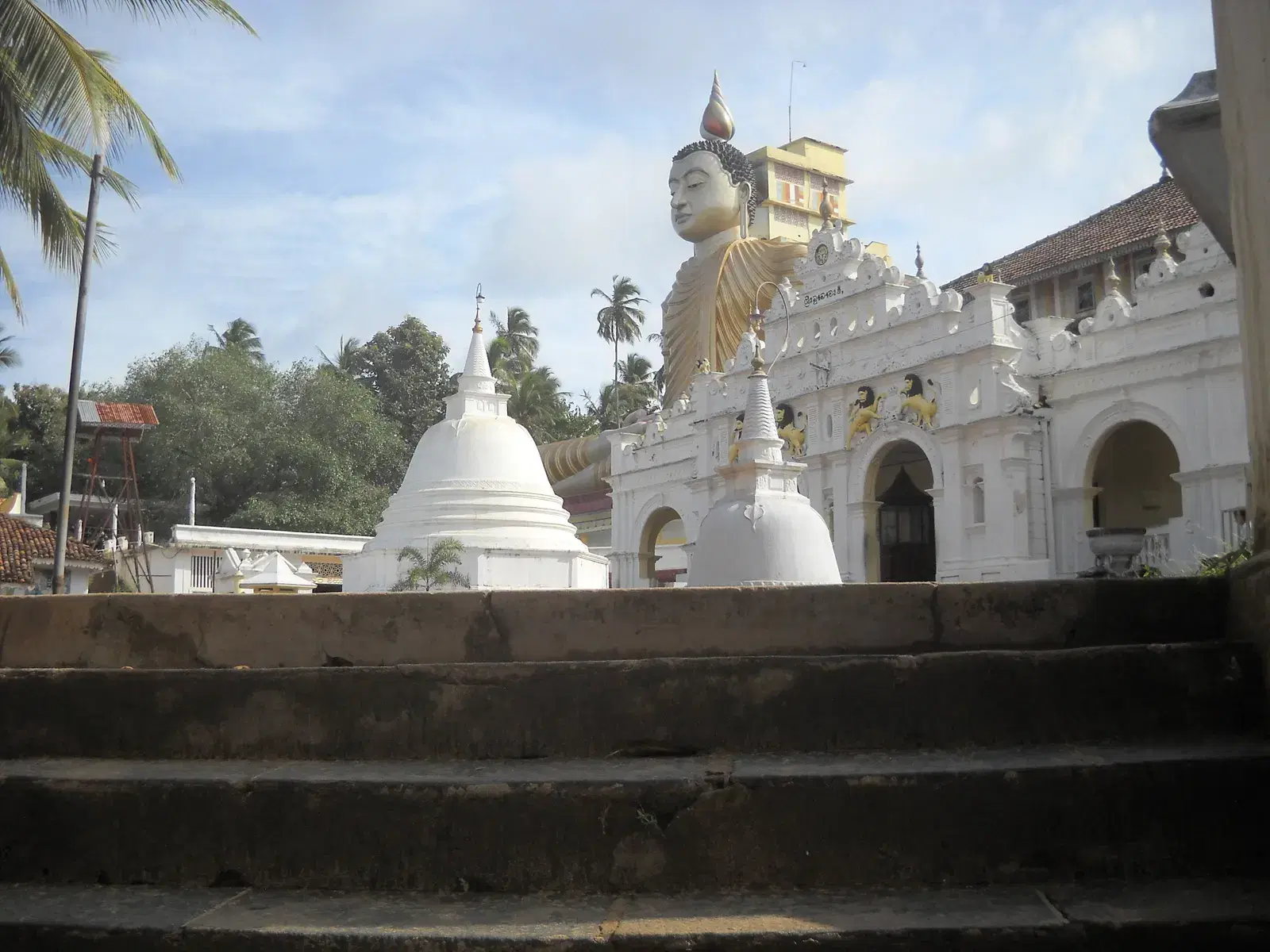
An 18th-century temple in nearby Dikwella anchored by a roughly 160-foot seated Buddha statue, one of the largest in Sri Lanka — approached through a corridor of vividly painted, almost cartoonish dioramas depicting the torments awaiting sinners, a genuinely startling contrast to the temple's otherwise serene main hall. It's more kitsch than solemn in places, and worth visiting with that expectation rather than treating it purely as a contemplative stop.
Hummanaya Blowhole
The second-largest blowhole in the world, near Dikwella, where waves force seawater up through a natural rock vent to heights of 25–30 metres on a good day. It's genuinely weather-dependent — on a calm day you may see a modest spray rather than the dramatic jet in photos, so temper expectations if conditions look flat when you arrive.
Beach-hopping the coves
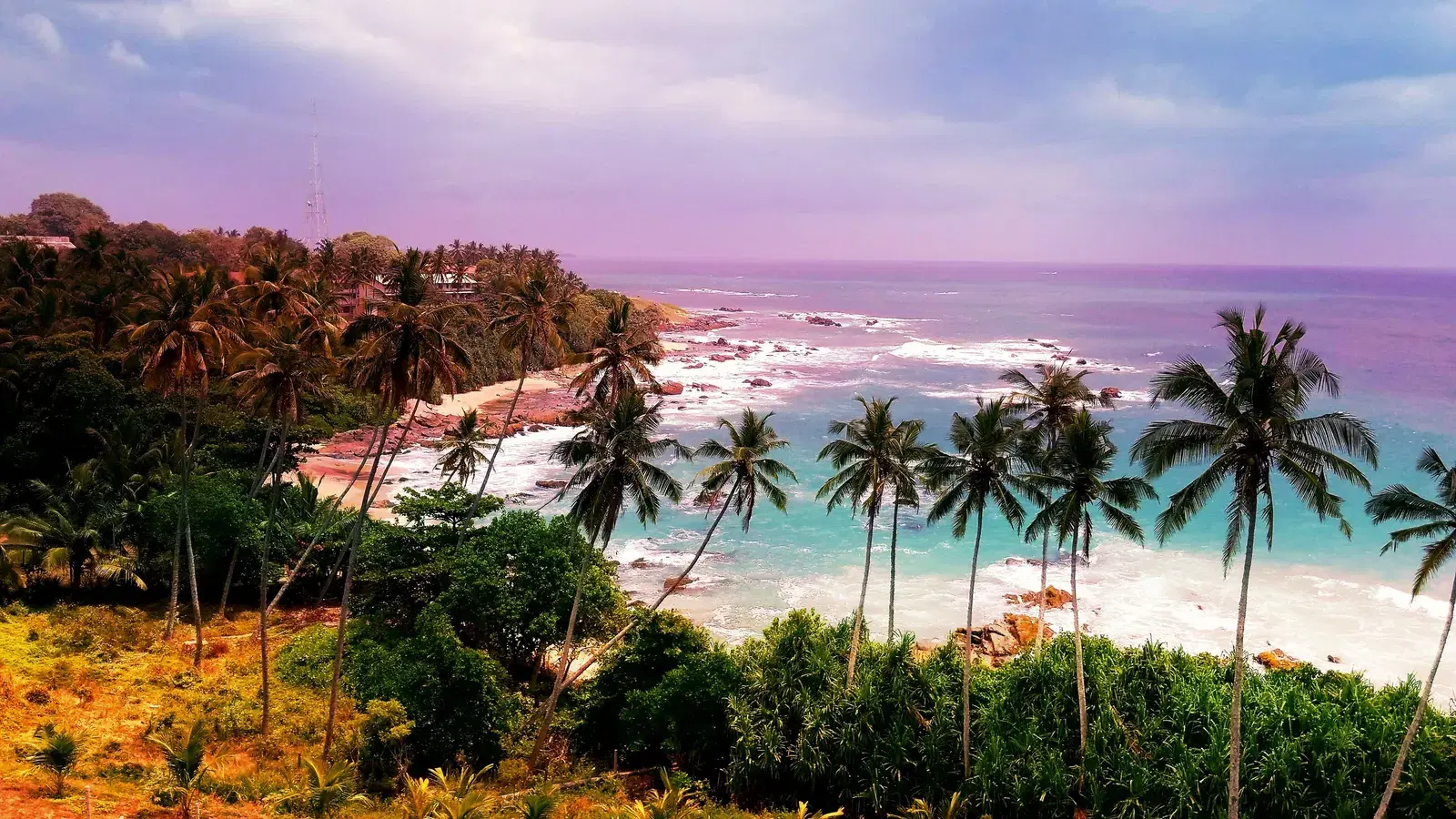
Tangalle's coastline is broken into several distinct coves — Goyambokka, Medaketiya, Marakolliya, Silent Beach among them — each with a slightly different character and level of shelter for swimming. Spending a day moving between a few by tuk-tuk is a genuinely pleasant, unstructured way to see the area rather than committing to one beach for the whole stay.
Tangalle Lagoon and mangrove exploring
A quieter, less commercialized alternative to the larger organized river safaris elsewhere on the south coast — genuinely good for birdlife and a slower pace.
Tangalle fishing harbour
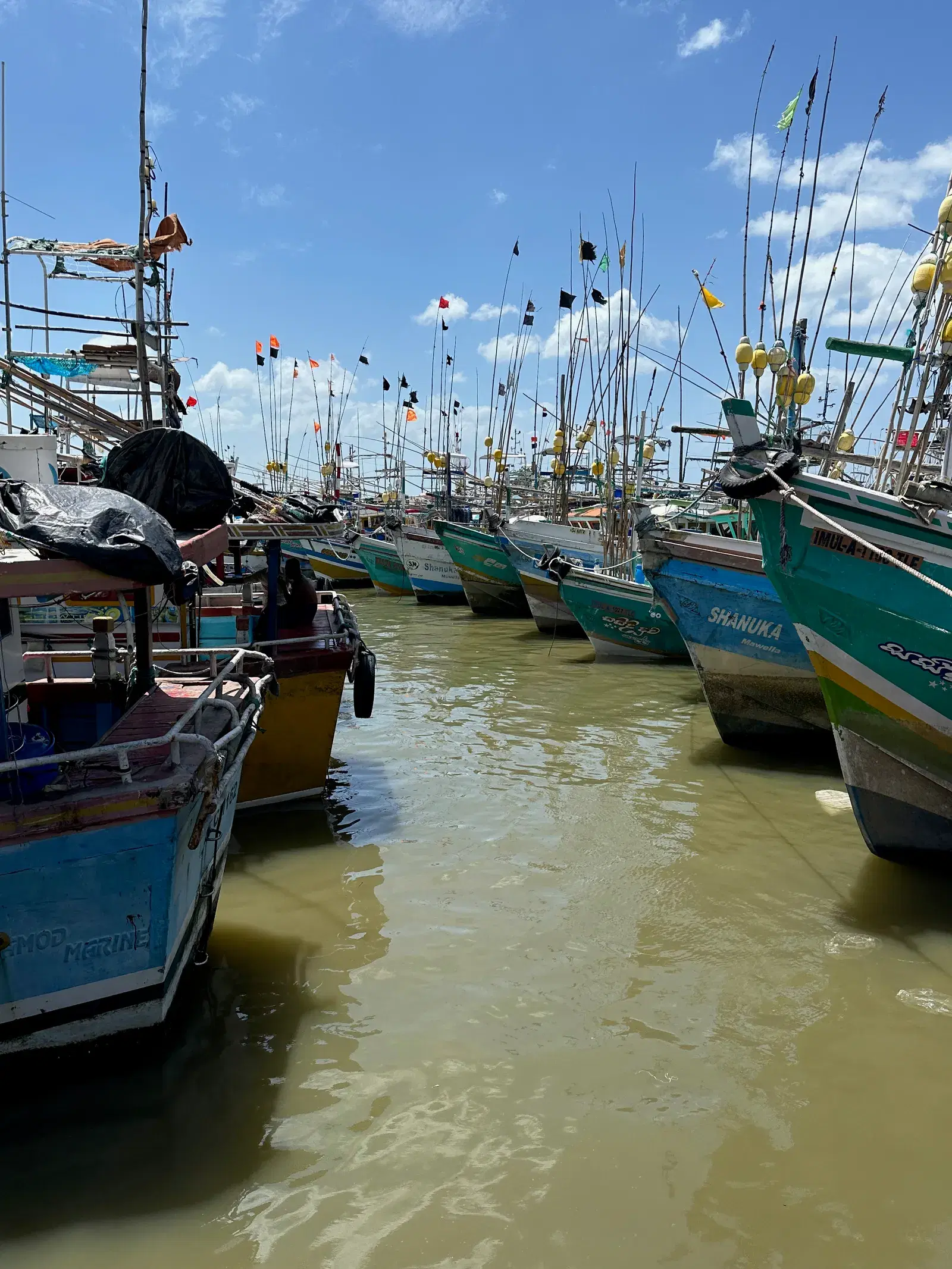
A working harbour rather than a tourist sight, with colourful fishing boats and genuine daily commerce — a reasonable early-morning stop if you're already up for a sunrise walk and want a look at the town's actual economy rather than only its beaches.
Where to stay in Tangalle
Budget — Medaketiya / central Tangalle
- Blue Skies Guest House — A family-run guesthouse with home-cooked meals and personalized local recommendations.
Mid-range — Marakolliya / around the coves
- Mangrove Beach Chalets — Air conditioning, hot water, and an on-site restaurant serving local and international dishes.
High-end — Goyambokka
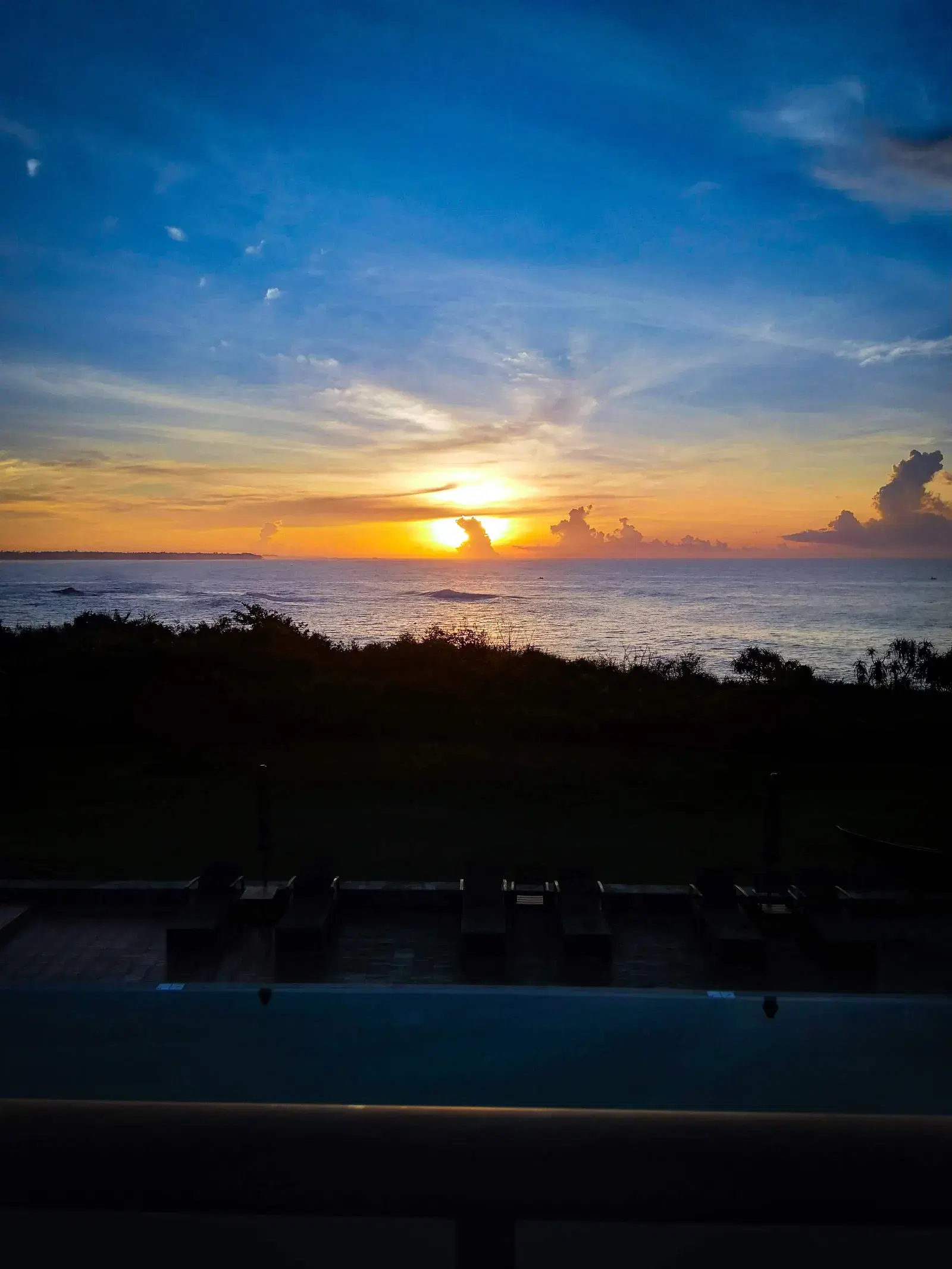
- Amanwella — One of the Aman brand's Sri Lankan properties, a genuinely tranquil, design-focused hideaway right on Goyambokka Beach.
Where to eat in Tangalle
Turtle Landing Restaurant
Fresh, well-prepared fish and Sri Lankan seafood at reasonable prices
~LKR 1,200–2,500
Ceylon Excel
Family-run, flavorful curries and fresh seafood
~LKR 1,000–2,000
Il Mare (Anantara Peace Haven)
Seafood pasta and international dishes
~LKR 3,000+
Getting around Tangalle
Tangalle's beaches are spread across several coves rather than one continuous strip, so a tuk-tuk is the practical way to move between accommodation, restaurants, and different beaches.
For Rekawa, Mulkirigala, and Wewurukannala, these sites are a meaningful drive apart (Rekawa east of town, the other two inland toward Dikwella) — a hired tuk-tuk or driver for a half or full day is more efficient than arranging each separately.
Agree tuk-tuk fares before getting in, as with anywhere in Sri Lanka.
What it costs — daily budget
| Tier | Per day (USD) | Per day (LKR) | Includes |
|---|---|---|---|
| Backpacker | $25–40 | ≈ LKR 7,500–12,000 | Budget guesthouse, local meals, Rekawa turtle watch, occasional tuk-tuk. |
| Mid-range | $55–100 | ≈ LKR 16,500–30,000 | Mid-range beachside stay, restaurant meals, Mulkirigala and Wewurukannala day trip, regular tuk-tuk use. |
| Comfort | $250–600+ | ≈ LKR 75,000–180,000+ | A stay at a high-end property like Amanwella, private driver for day trips, dining at your resort. |
Safety and scams in Tangalle
Tangalle is low-risk in the usual crime sense — the main practical considerations are sea conditions and the spread-out geography rather than personal safety.
Sea conditions vary significantly by cove and season; some beaches here have stronger currents than the more sheltered bays further west, so check with your accommodation about which beach is safest for swimming on a given day.
At Rekawa, follow the trackers' instructions closely — flash photography and getting too close can disturb nesting turtles, and the program's careful approach is exactly what makes it worth supporting.
As everywhere in Sri Lanka, agree tuk-tuk fares before getting in.
Hidden gems near Tangalle
- Silent Beach — One of the quieter, less-visited coves even by Tangalle's already low-key standards.
- Tangalle Lagoon by boat — A genuinely uncommercialized alternative to the bigger river safaris elsewhere on the south coast.
- Mulkirigala's upper terraces — Most day-trippers stop at the lower shrines; the higher terraces are quieter and give the best views.
- The fishing harbour at dawn — A genuine working scene most beach-focused visitors never see, a short walk or tuk-tuk from the main guesthouses.
Suggested Tangalle itineraries
1 day
The essentials: Morning beach-hopping between coves, afternoon rest, evening Rekawa turtle watch.
2 days
Day 1: Beach time at Goyambokka or Medaketiya, evening Rekawa turtle watch.
Day 2: Mulkirigala Rock Temple and Wewurukannala Vihara as a combined inland half-day.
3 days (quiet south-coast base)
Day 1: Beach-hopping between coves, settle in.
Day 2: Mulkirigala, Wewurukannala, and Hummanaya Blowhole as a combined day trip.
Day 3: A slow beach day, evening Rekawa turtle watch before moving on.
Where to go next from Tangalle
Tangalle FAQ
How much does turtle watching cost at Rekawa Beach?
Around LKR 1,500 per adult and LKR 500 per child, commonly refunded if no turtle activity is observed that night. It's a conservation-run program rather than a guaranteed tourist show.
Is Tangalle quieter than Mirissa or Unawatuna?
Yes, genuinely — tourism infrastructure here has stayed far more low-key, with scattered guesthouses and a few luxury properties rather than a continuous beach-bar strip.
What is the Wewurukannala Buddha?
A roughly 160-foot seated Buddha statue at an 18th-century temple in nearby Dikwella, approached through a corridor of vividly painted, almost cartoonish scenes depicting the afterlife — a striking, somewhat kitsch contrast to the temple's calmer main hall.
How do I get from Colombo to Tangalle?
About 195km, roughly 3–3.5 hours by private car via the Southern Expressway. The train also reaches Tangalle but takes considerably longer, roughly 4–5 hours.
Is the Hummanaya Blowhole worth visiting?
It's genuinely weather-dependent — dramatic on a rough-sea day (roughly April–September), much less so when conditions are calm. Check current sea conditions before making a special trip.
How many days do I need in Tangalle?
Two days cover the beaches and a turtle watch comfortably. Three lets you add the Mulkirigala and Wewurukannala inland day trip without rushing.
Is Tangalle good for luxury travelers?
Yes — Amanwella, one of the Aman brand's Sri Lankan properties, is here, alongside several other high-end boutique stays tucked into the quieter coves.
Is Tangalle walkable?
Less so than more compact beach towns — the coves are spread out, so a tuk-tuk is the practical way to move between your accommodation, restaurants, and different beaches.
Which cove should I choose as a base in Tangalle?
Goyambokka and Medaketiya are the most established for accommodation and dining; Marakolliya and Silent Beach are quieter still, better suited to travelers who specifically want minimal development nearby.