Hikkaduwa
A practical Hikkaduwa guide: the honest state of the coral reef today, real snorkeling and surf costs, the Tsunami Honganji temple, where to stay and eat, and honest daily budgets.
Hikkaduwa was Sri Lanka's original beach party town, drawing hippie-trail travelers in the 1970s for a protected coral reef you could snorkel straight from the sand, and it's still one of the busier, more nightlife-oriented stops on the south coast. The core appeal — reef, surf, and a genuinely social strip of beachfront bars and restaurants — hasn't gone away, but it's worth being honest about what's changed.
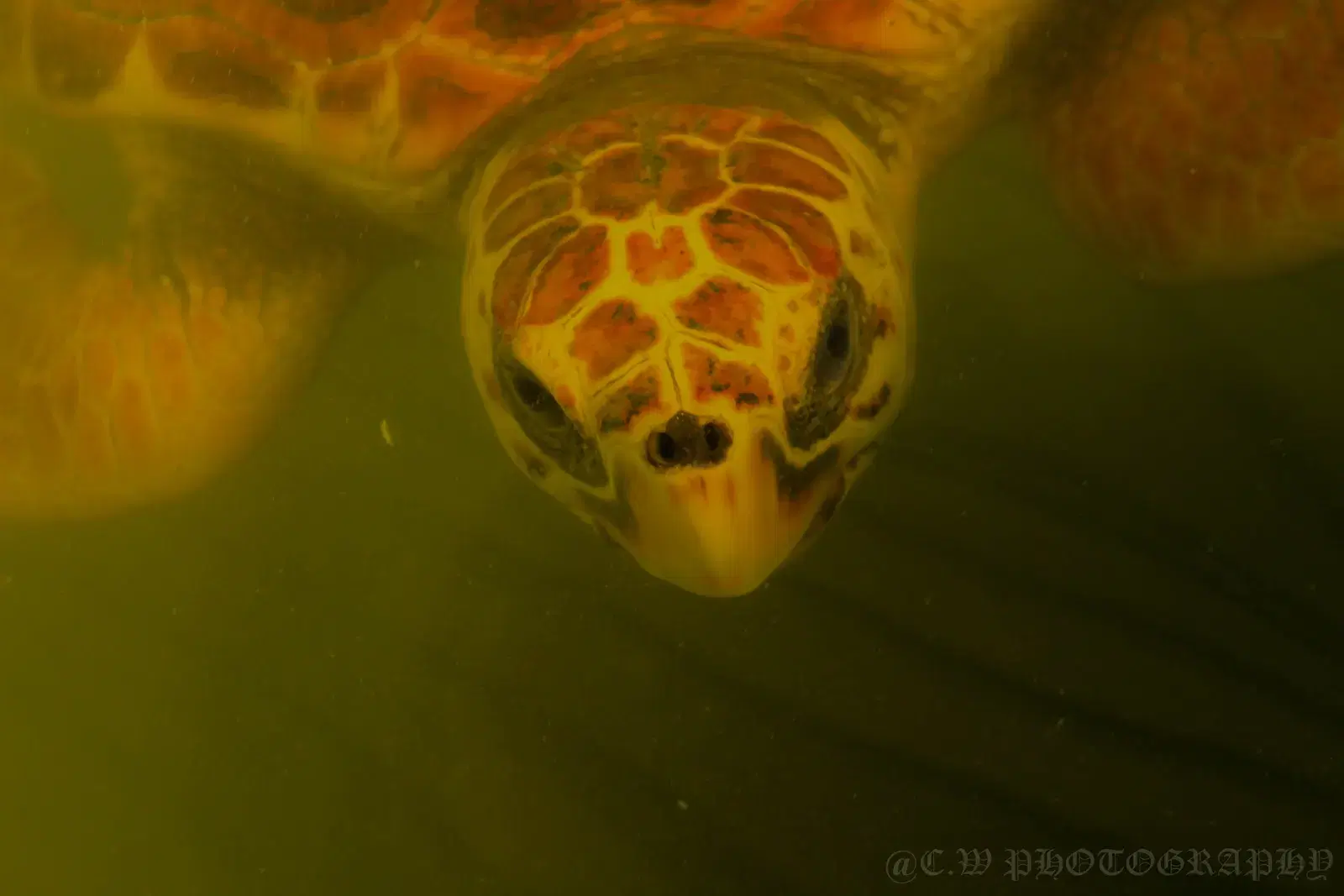
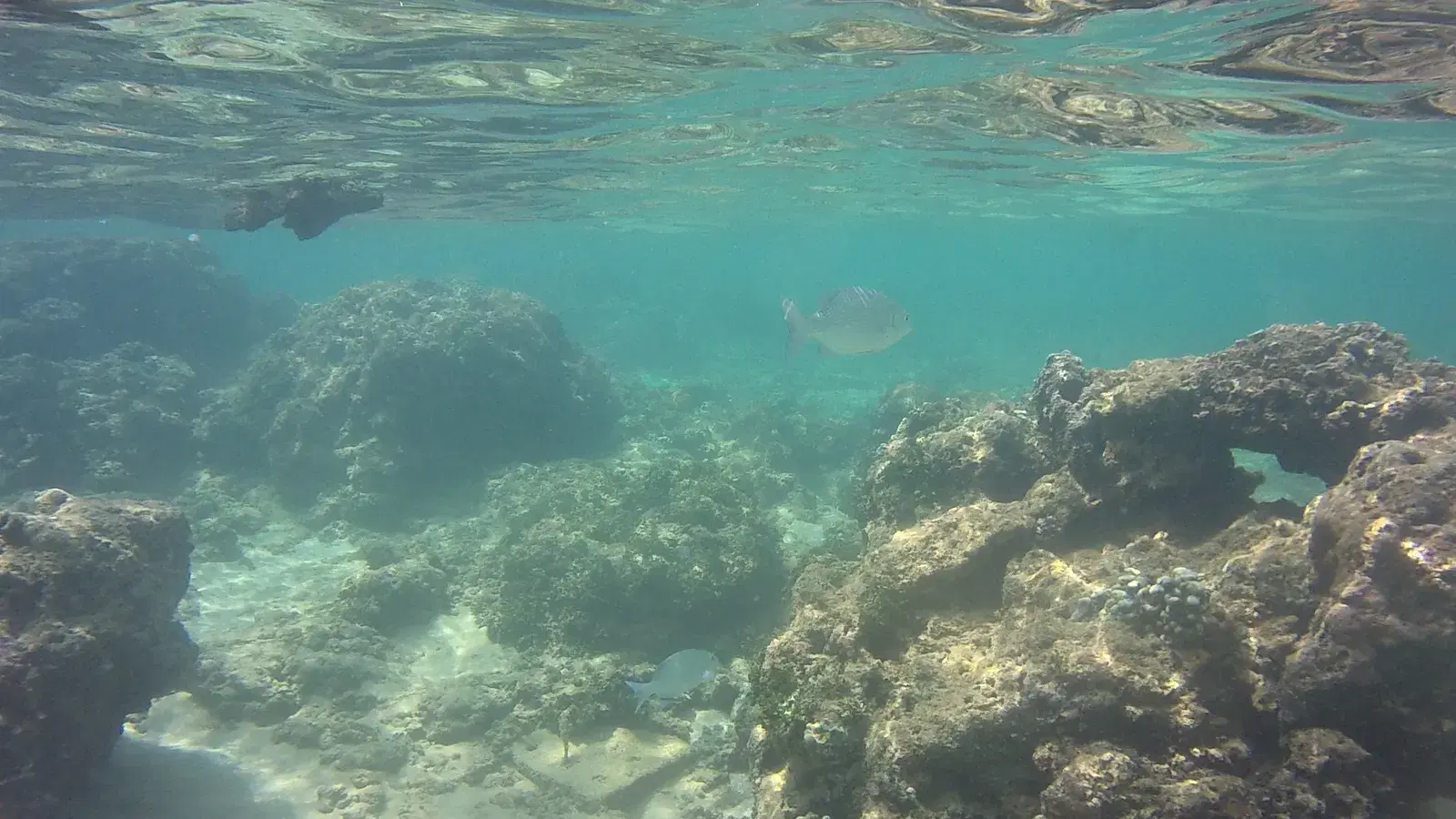
The reef itself has taken real damage over the decades: the 1998 El Niño bleaching event and the 2004 Indian Ocean tsunami both hit it hard, and by most current estimates only a fraction of the original live coral cover remains. That doesn't mean snorkeling here isn't worth it — sea turtles are still reliably spotted, and there's real fish life — but go in with accurate expectations rather than the untouched-reef photos that still circulate online.
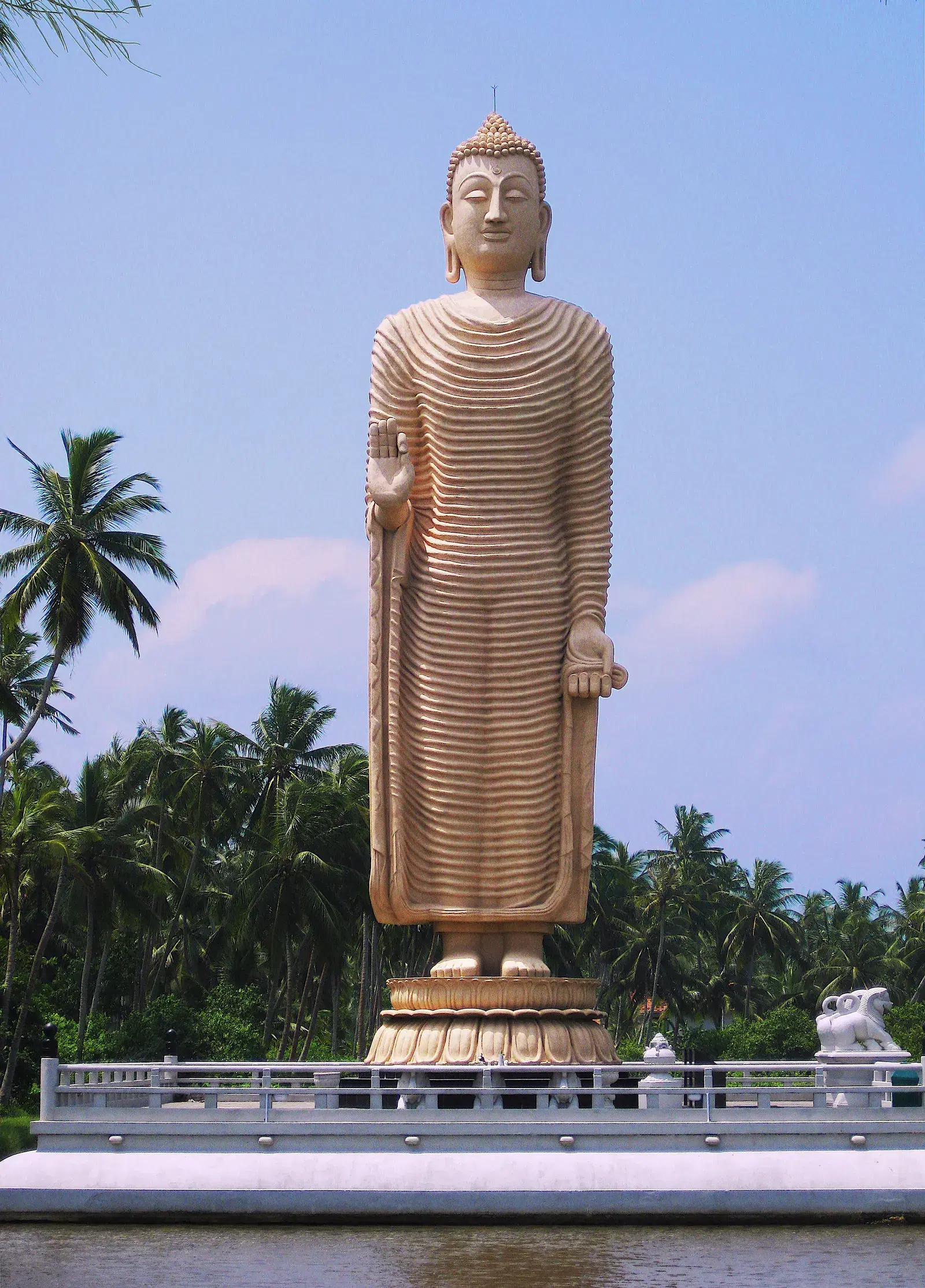
The tsunami itself is a bigger part of this town's recent history than most visitors realize. Hikkaduwa was one of the hardest-hit coastal towns in the 2004 disaster, and that history is visible today in a genuinely moving photo museum and a large Buddha statue built at the Tsunami Honganji Viharaya in memory of those who died — both worth a stop alongside the beach and reef activities most people come for.
None of that makes Hikkaduwa a somber place to visit. It's the opposite, most of the time — a genuinely social strip of beach bars, surf shacks, and cafés that draws a younger, more backpacker-leaning crowd than the more polished resort towns nearby. The tsunami sites sit a short walk or tuk-tuk ride from all of that, which is a fair reflection of how the town itself has moved forward: acknowledging what happened without being defined only by it.
Why go to Hikkaduwa
- It's one of the most accessible places in Sri Lanka to snorkel or take a glass-bottom boat over a coral reef without a dive certification.
- Narigama Beach is a genuinely good beginner-to-intermediate surf spot, with a more laid-back learning curve than some of the island's more advanced breaks.
- The beachfront strip has real nightlife and a social, backpacker-friendly atmosphere that's rarer on the more polished south-coast towns nearby.
- It's close enough to Galle (about 30 minutes) and Colombo (about 2 hours by train) to combine easily with either.
How to get to Hikkaduwa
From Colombo Fort — Train
About 98km, roughly 2 hours on the scenic coastal line — the same route that continues on to Galle. A comfortable, budget-friendly way in.
From Colombo / Bandaranaike Airport — Private car
About 110–120km from the airport, roughly 2–2.5 hours via the Southern Expressway. A private transfer typically runs $50–70 for the car.
From Colombo — Express bus (expressway)
Around 1.5–2 hours on the Southern Expressway, a fast and inexpensive option.
From Galle — Train or tuk-tuk
About 17km, roughly 30 minutes either way — an easy add-on if you're already doing a south-coast loop.
Best time to visit Hikkaduwa
| Months | Rainfall | Crowds | Verdict |
|---|---|---|---|
| Nov – Apr | Low | High (peak season) | The best window for calm, clear water for snorkeling and diving, and the most consistent surf conditions. |
| May – Oct | Rising (southwest monsoon affects this coast directly) | Low | Rougher seas make snorkeling and glass-bottom boat trips less reliable; this is genuinely the wrong season to plan a Hikkaduwa trip around the reef specifically. |
Things to do in Hikkaduwa
Snorkeling or glass-bottom boat over the coral sanctuary
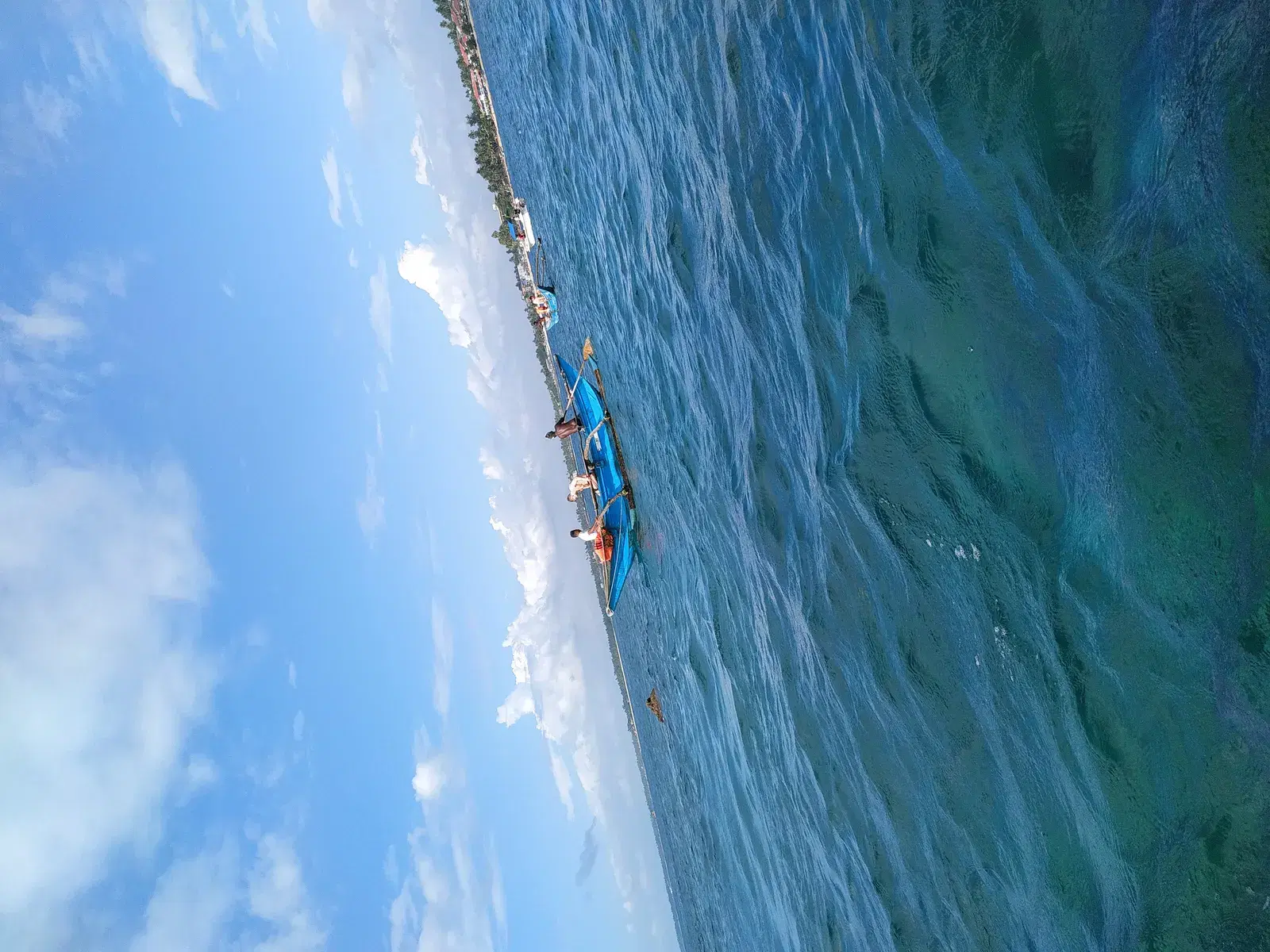
Worth doing, with honest expectations: the reef here took serious damage from a 1998 bleaching event and the 2004 tsunami, and only a fraction of the original live coral cover survives today. What you'll still reliably see are sea turtles, reef fish, and patches of coral rather than the dense, untouched reef of older photos. Glass-bottom boats can physically damage shallow coral by running over it, so a slower operator who avoids the shallowest patches is the better choice if you have one.
Surfing at Narigama Beach
A genuinely good spot for beginner and intermediate surfers, with softer, more forgiving waves than some of the island's more advanced breaks. Several surf schools operate directly on the beach — book with a named school rather than an informal beach tout for a better first lesson.
Tsunami Honganji Viharaya
A temple built in memory of the 2004 Indian Ocean tsunami's victims, anchored by a large Buddha statue that's become a quiet local landmark. Hikkaduwa was one of the hardest-hit towns on the south coast, and this is a genuinely reflective stop rather than a tourist photo point — dress and behave accordingly.
Tsunami Photo Museum
A privately run museum telling the story of the 2004 tsunami through photographs and newspaper clippings, put together by a local family. It's modest and unpolished, and more affecting for exactly that reason — a genuine, personal account rather than an official exhibit.
Seenigama Muhudu Viharaya (temple on the rock)
A small temple on an offshore rock, notable locally for reportedly being one of the only structures in the immediate area to survive the 2004 tsunami largely intact. The short boat ride out is often overpriced for the distance involved — agree a fare before boarding rather than after.
Diving at Kiralagala, Godagala, and Black Coral Point
Several dive shops run out of Hikkaduwa with genuinely shallow, easy conditions that suit newer divers as well as more experienced ones. Worth it if you're already certified or want to get certified here; the reef's degraded state applies underwater too, so keep expectations realistic.
Beachfront evenings and nightlife
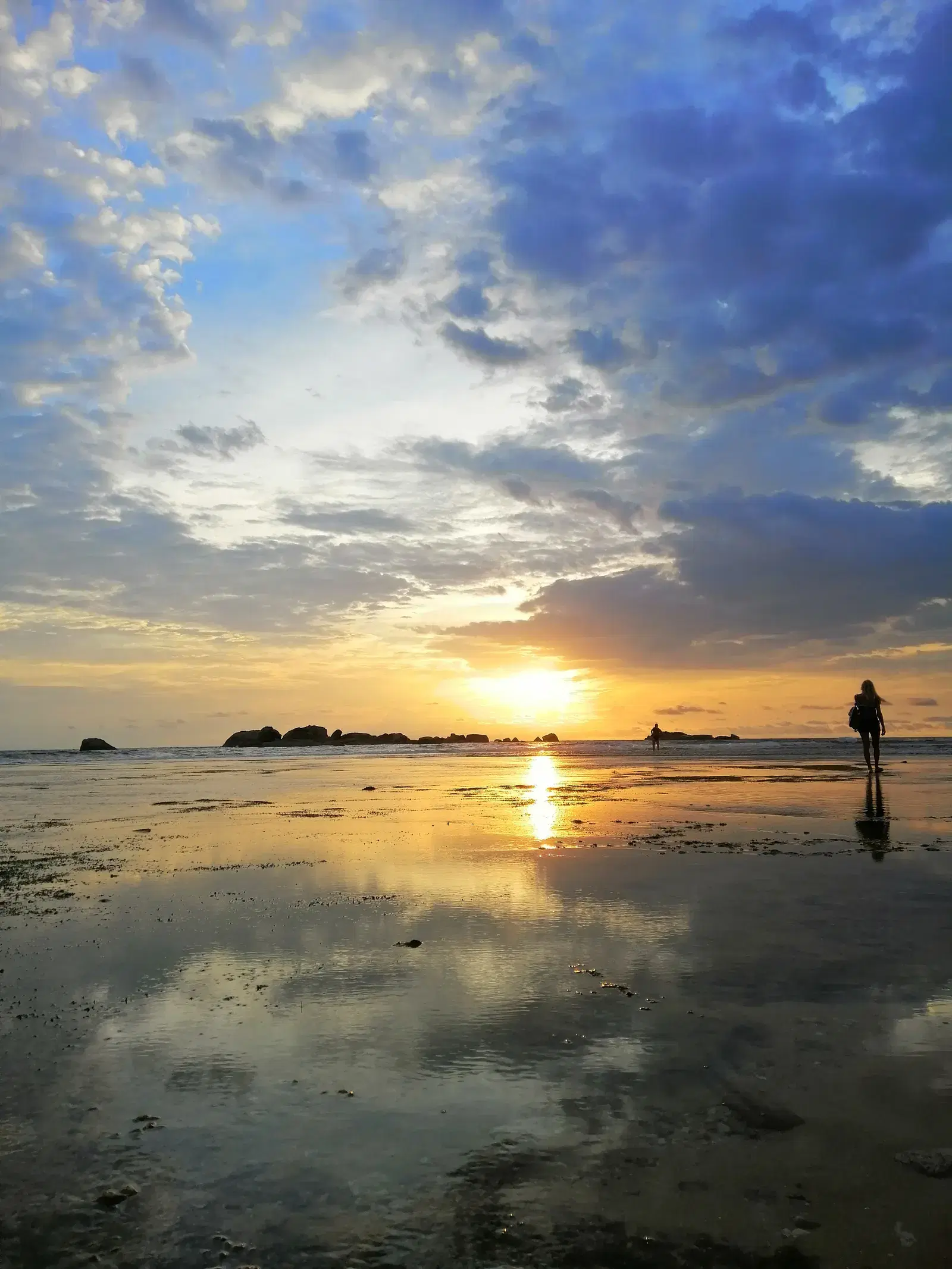
Hikkaduwa has a livelier, more social beachfront strip than most other south-coast towns, with bars showing sunset from a beach chair rather than a rooftop. Funky de Bar is a commonly cited spot for a sunset drink. It's a real point of difference if you want atmosphere over quiet after dark.
Where to stay in Hikkaduwa
Budget — Narigama Beach
- BK Beach Boutique Hotel — Steps from Narigama Beach, close to the surf breaks, good value for the beachfront location.
Mid-range — Main beach strip
- Avon Villa — A short walk from the beach with a pool, a comfortable mid-range base near the main strip.
High-end — Hikkaduwa Beach
- Hikka Tranz By Cinnamon — A larger resort-style property directly on the beach, with full amenities and reef access nearby.
Where to eat in Hikkaduwa
Salty Swamis
Café-style menu, popular with the surf and digital-nomad crowd
~LKR 800–1,500
Amaroo Hikkaduwa
Seafood and Sri Lankan dishes with a beachfront setting
~LKR 1,200–2,500
Friends Indeed
Well-regarded local and international menu
~LKR 1,000–2,000
Funky de Bar
Drinks and light bites, best for sunset
~LKR 600–1,500
Getting around Hikkaduwa
Hikkaduwa's beach strip is walkable end to end, with most guesthouses, restaurants, and the coral sanctuary within a comfortable walk of each other.
Tuk-tuks cover Narigama Beach, Seenigama, and anything slightly further out; agree the fare before getting in.
For a day trip to Galle, the train or a short tuk-tuk/taxi ride both work well given the short distance.
What it costs — daily budget
| Tier | Per day (USD) | Per day (LKR) | Includes |
|---|---|---|---|
| Backpacker | $25–40 | ≈ LKR 7,500–12,000 | Budget guesthouse, local meals, snorkel gear rental, occasional tuk-tuk. |
| Mid-range | $55–95 | ≈ LKR 16,500–28,500 | Mid-range guesthouse near the beach, restaurant meals, a surf lesson or glass-bottom boat trip, regular tuk-tuk use. |
| Comfort | $120–250+ | ≈ LKR 36,000–75,000+ | Beachfront resort stay, a dive trip, restaurant dining throughout, a private driver for day trips to Galle. |
Safety and scams in Hikkaduwa
Hikkaduwa is low-risk in the usual crime sense; the main things to manage are water conditions and standard tuk-tuk/boat fare negotiation.
Sea conditions worsen outside the November–April dry season — check local conditions before swimming or snorkeling rather than assuming calm water year-round.
Glass-bottom boat and Seenigama boat rates aren't fixed; agree the fare clearly before boarding to avoid a disputed price afterward.
As everywhere in Sri Lanka, agree tuk-tuk fares before getting in.
The beachfront nightlife scene means standard late-night caution around drinks and belongings applies, as it would at any lively beach strip.
Hidden gems near Hikkaduwa
- Tsunami Photo Museum — A modest, independently run museum most visitors never hear about, let alone visit.
- Early-morning snorkeling — Calmer water and better turtle odds before the glass-bottom boats and midday crowds arrive.
- Seenigama at low tide — A shorter, sometimes negotiable crossing when the water is calmer — worth asking locally rather than accepting the first quoted boat price.
- Hikkaduwa River — A short trip inland from the beach strip, with a much quieter, greener atmosphere most beach-focused visitors never see.
Suggested Hikkaduwa itineraries
1 day
The essentials: Morning snorkeling or glass-bottom boat over the reef, afternoon surf lesson at Narigama, sunset drinks on the beach.
2 days
Day 1: Reef snorkeling in the morning, Tsunami Honganji Viharaya and the Photo Museum in the afternoon.
Day 2: Surf session at Narigama Beach, a Seenigama boat crossing, evening on the beachfront strip.
3 days (south-coast base)
Day 1: Reef snorkeling, Tsunami Honganji Viharaya.
Day 2: Surf lesson or session at Narigama, Seenigama crossing.
Day 3: A dive trip if certified, or a day trip to Galle Fort before moving on.
Where to go next from Hikkaduwa
Hikkaduwa FAQ
Is the coral reef at Hikkaduwa still worth visiting?
Yes, with realistic expectations. The reef took serious damage from a 1998 bleaching event and the 2004 tsunami, and only a fraction of the original live coral remains — but sea turtles are still reliably spotted and there's real fish life. It's not the untouched reef of older photos.
How much does a glass-bottom boat cost in Hikkaduwa?
There's no fixed rate — commonly around LKR 4,000–5,000 for a 30-minute trip, but it's worth comparing a few operators before booking.
Is Hikkaduwa good for beginner surfers?
Yes — Narigama Beach has softer, more forgiving waves than some of the island's more advanced breaks, and several surf schools offer lessons directly on the beach.
What is the Tsunami Honganji Viharaya?
A temple and large Buddha statue built in memory of the 2004 Indian Ocean tsunami's victims. Hikkaduwa was one of the hardest-hit towns on the south coast, and the site is a genuine, reflective memorial rather than a tourist photo stop.
How do I get from Colombo to Hikkaduwa?
The train takes roughly 2 hours on the scenic coastal line, about 98km. A private car via the Southern Expressway takes roughly 2–2.5 hours.
Is Hikkaduwa close to Galle?
Yes — about 17km, roughly 30 minutes by train or tuk-tuk, making it easy to combine both in a south-coast loop.
How many days do I need in Hikkaduwa?
One full day covers the reef and a surf session. Two or three let you add the tsunami memorial sites, Seenigama, and a slower beach pace.
Is Hikkaduwa a party town?
It has a livelier, more social beachfront strip than most other south-coast towns, with beach bars and a genuine nightlife scene — a real point of difference if that's what you're looking for, less so if you want quiet evenings.
Do I need a PADI certification to dive at Hikkaduwa?
No — the shallow, easy conditions here make it a popular place to get certified for the first time, alongside dive sites suited to more experienced divers at spots like Kiralagala and Godagala.