
Colombo
A practical Colombo guide: Gangaramaya Temple and Galle Face Green, real airport transfer costs and options, named restaurants worth the trip, where to stay, and honest daily budgets for Sri Lanka's arrival city.
Almost every Sri Lanka trip starts and ends in Colombo, and almost every itinerary treats it as a layover rather than a destination — which undersells it. It's a genuinely interesting, chaotic, fast-changing capital: colonial-era temples and clock towers a few streets from glass-and-steel towers, a proper wholesale market district in Pettah, and one of the best oceanfront promenades in South Asia at Galle Face Green.
It's not a beach town and it's not a heritage site in the Galle or Sigiriya sense — it's a working city, and it rewards treating it that way: eat well, walk the market, watch the sunset at Galle Face, and don't expect a single postcard moment to define the visit.
One practical thing worth knowing before you arrive: Colombo is organized into numbered postal districts (Colombo 1 through 15) rather than named neighbourhoods the way most cities are, and locals refer to areas by number as often as by name — Fort is Colombo 1, Kollupitiya is Colombo 3, Cinnamon Gardens is Colombo 7. Addresses and hotel listings will use this system, so it's useful to recognize rather than confusing shorthand.
Why go to Colombo
- It's the arrival and departure city for almost every Sri Lanka trip, and genuinely worth a day or two rather than rushing straight through it.
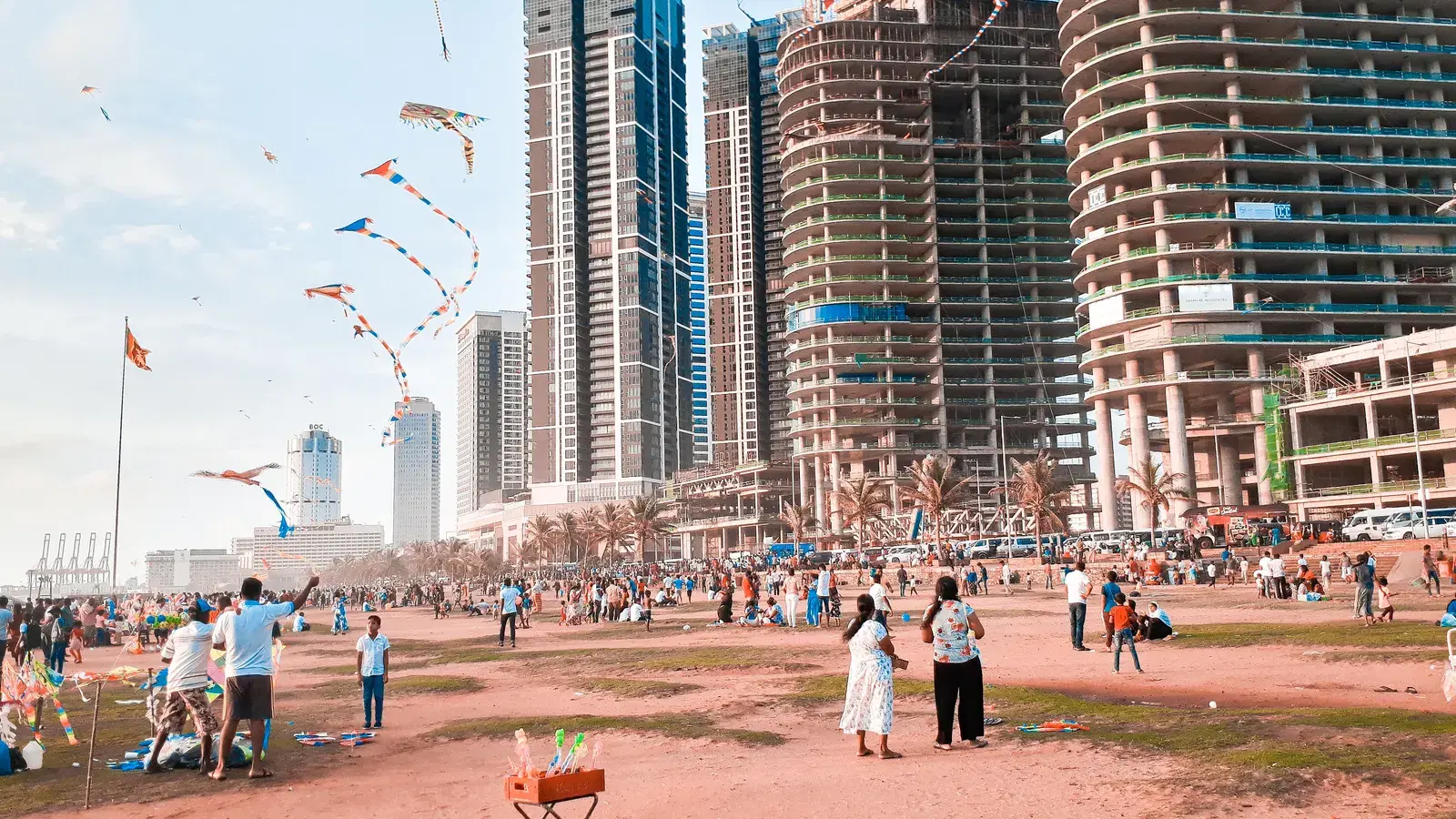
- Galle Face Green at sunset, with kite flyers and street food vendors, is one of the best free evening activities in the country.
- Colombo has the country's most serious food scene, including a genuinely world-class restaurant (Ministry of Crab) if you want one special-occasion meal.
- Pettah market is a real, functioning wholesale district — a useful counterpoint to the more tourist-oriented markets elsewhere on the island.
How to get to Colombo
From Bandaranaike Airport (CMB) — Ride-hailing app (PickMe or Uber)
About 32km, roughly 40 minutes depending on traffic. A PickMe fare to Colombo 3 (Kollupitiya) or Fort typically runs LKR 2,500–3,500 (~$8–12) — the most convenient and reasonably priced option for most travelers.
From Bandaranaike Airport (CMB) — Official airport taxi
Roughly LKR 4,500–6,000 (~$15–20) to central Colombo, booked at a counter inside the terminal — more expensive than a ride-hailing app but no app or local SIM required.
From Bandaranaike Airport (CMB) — Bus
The cheapest option at around LKR 290 (~$0.90), though slower and less convenient with luggage than the alternatives.
From Bandaranaike Airport (CMB) — Shared minivan
Around LKR 4,430 (~$13), roughly 50 minutes — a reasonable middle option if you're travelling with a small group.
Best time to visit Colombo
| Months | Rainfall | Crowds | Verdict |
|---|---|---|---|
| Dec – Mar | Lower | High (peak season for the whole country) | The most reliable weather window, though Colombo's heat and humidity are fairly constant year-round regardless of season. |
| Apr – Nov | Higher, with two monsoon influences overlapping through the year | Lower | Rain is more likely, but as a short arrival/departure stop this matters less here than for a beach or hiking destination — most of Colombo's appeal (markets, temples, restaurants, malls) works fine in the rain. |
Things to do in Colombo
Gangaramaya Temple
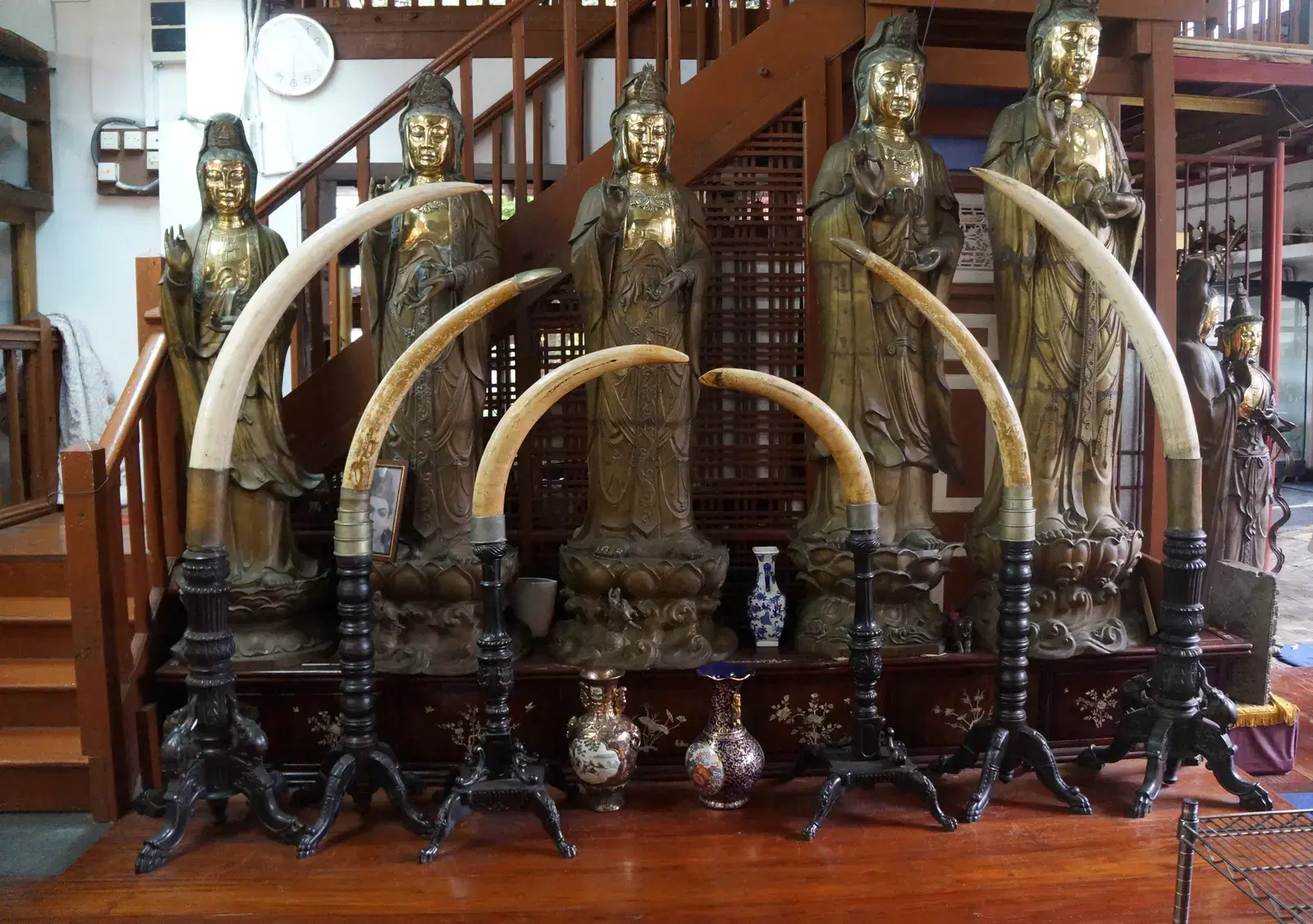
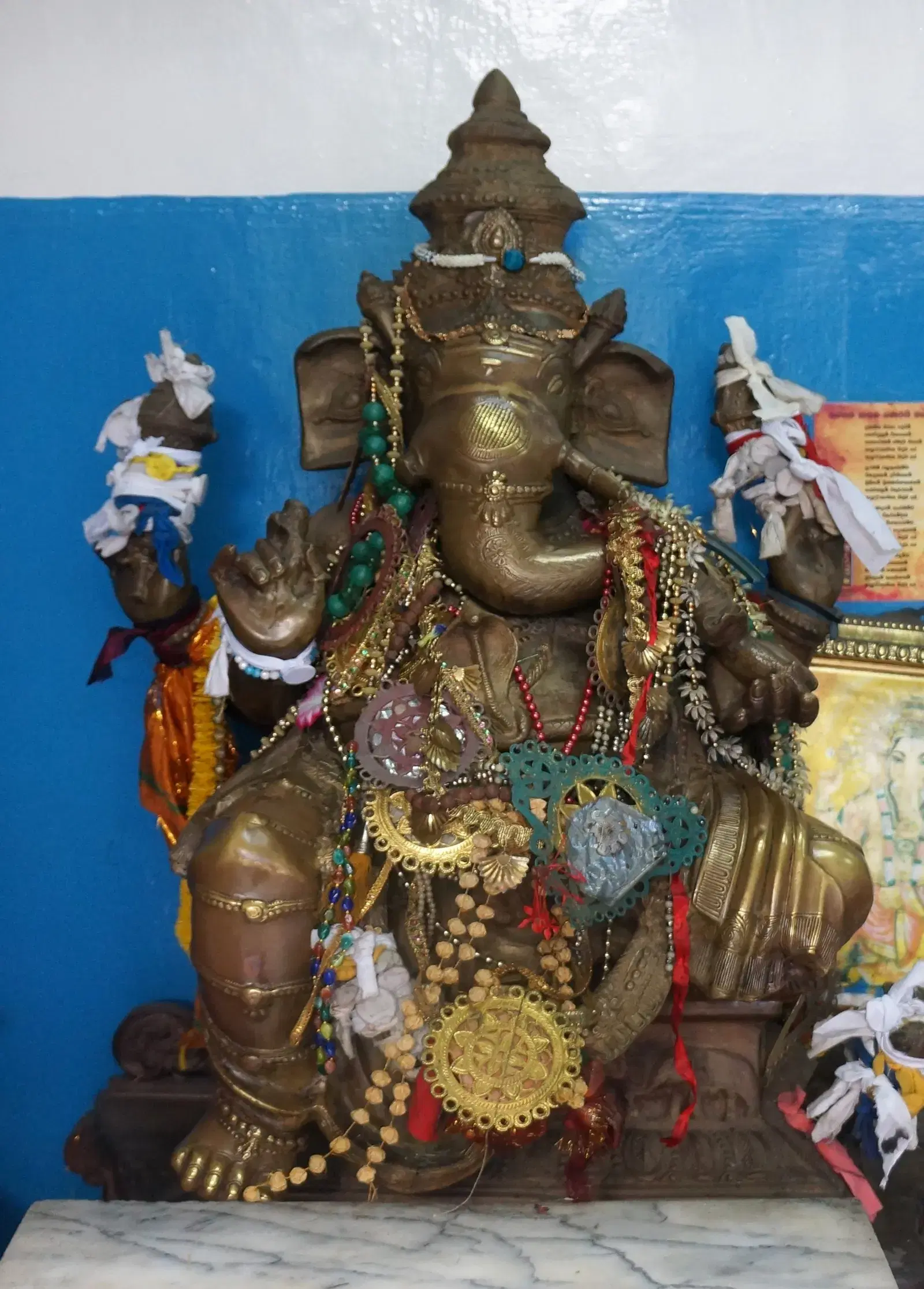
An unusual, genuinely eclectic Buddhist temple mixing Sri Lankan, Thai, Indian, and Chinese architectural styles, with an oddly compelling on-site museum of donated objects (vintage cars included) alongside the Buddha statues and the sacred Bodhi tree. Worth the modest fee for the variety alone.
Galle Face Green at sunset
Colombo's best free evening — a long oceanfront lawn with kite flyers, families, and a line of food carts. Isso wade (prawn-topped lentil fritters) and kottu roti from the stalls near the lighthouse are the standout street food here, most snacks under LKR 500. Go for the atmosphere as much as any single sight.
Pettah Market
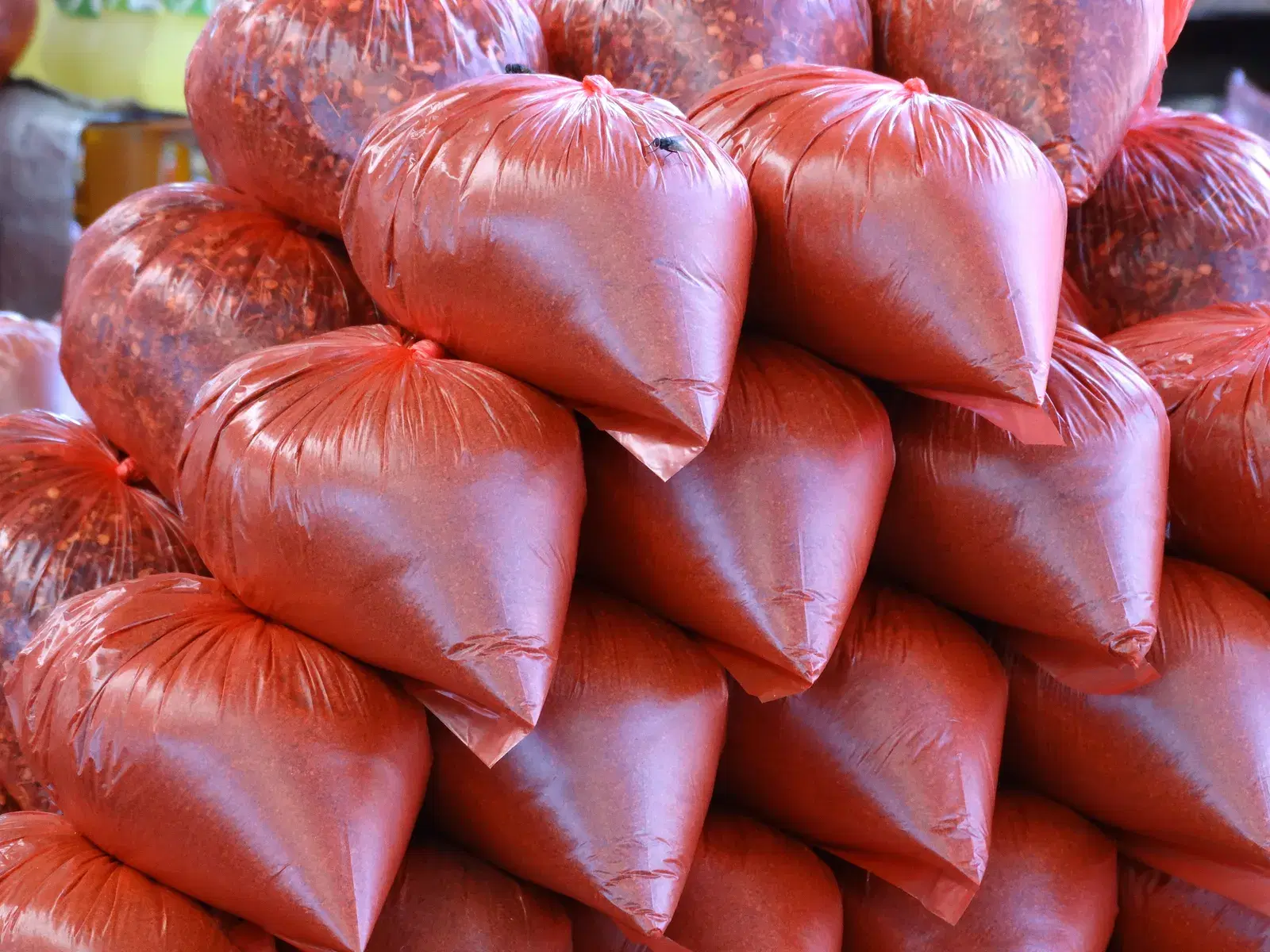
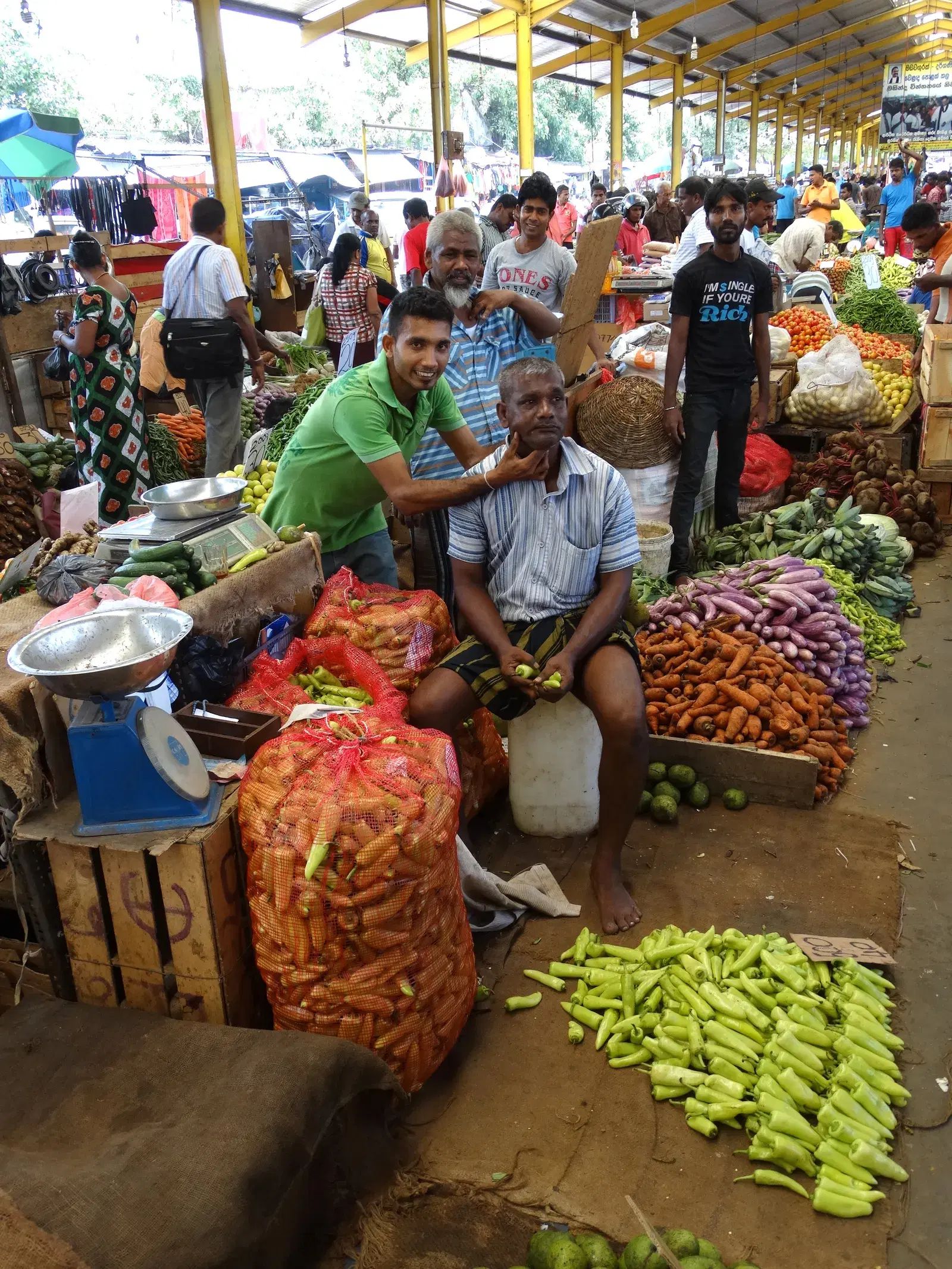
A genuine wholesale trading district, not a tourist market — textiles, spices, electronics, and produce sold at real local prices. It's crowded, loud, and disorganized in the way real markets are; keep bags zipped and valuables close given the crowd density, but don't let that stop you going. Different cross-streets specialize in different goods (spices, sweets, snacks) — wandering rather than beelining for one stall is the right approach.
Colombo National Museum
A useful, unglamorous stop for context before heading to the ancient sites elsewhere in the country — royal regalia, archaeological finds, and colonial-era exhibits. Not a must-see on its own merits, but a good rainy-afternoon option.
Viharamahadevi Park and Independence Square
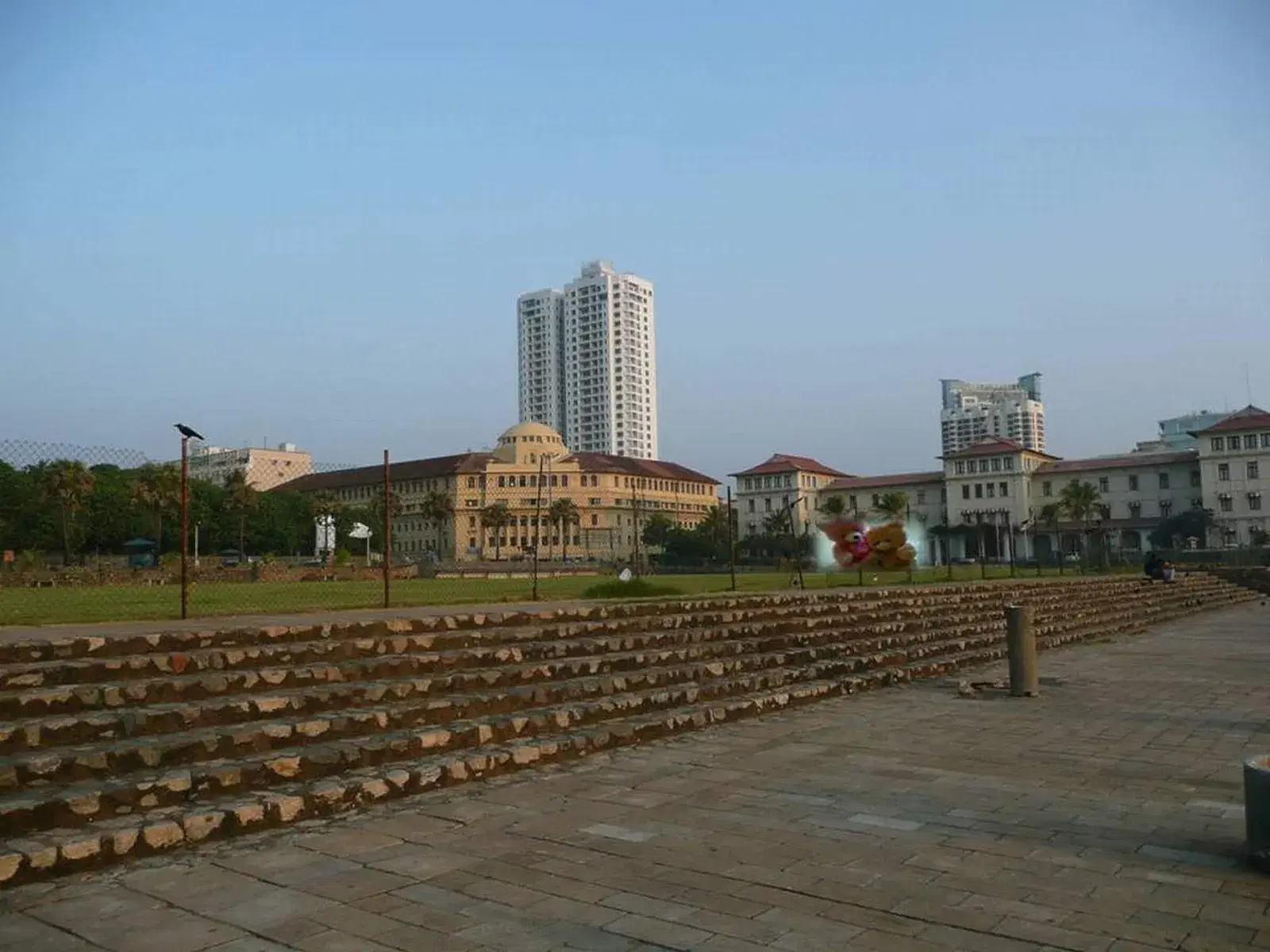
Colombo's oldest and largest public park, built by the British colonial administration and originally named Victoria Park before being renamed for Queen Viharamahadevi in 1958 — a genuinely pleasant green space in the Cinnamon Gardens district. A short trip away, Independence Square centres on the Independence Memorial Hall, commemorating Sri Lanka's 1948 liberation from British rule, with lawns and gardens around it that make for an easy, free evening walk. Neither is a must-see on its own, but together they're a good low-cost way to fill an otherwise unscheduled afternoon.
Ministry of Crab (dinner)
One of Asia's genuinely best-regarded restaurants, set inside the historic Old Dutch Hospital complex in Colombo Fort. If you're going to have one expensive meal on your Sri Lanka trip, this is a defensible place to spend it — book well ahead, as it's popular with both locals and visitors.
Where to stay in Colombo
Budget — Fort / Pettah district
- OZO Colombo — Compact, well-designed rooms, rooftop pool — the standout budget-tier pick for 2026.
Mid-range — Kollupitiya (Colombo 3) / Fort
- Mid-range city hotels near Galle Face — Walking distance to Galle Face Green and Gangaramaya, generally the most convenient area to base yourself.
High-end — Galle Face / central Colombo
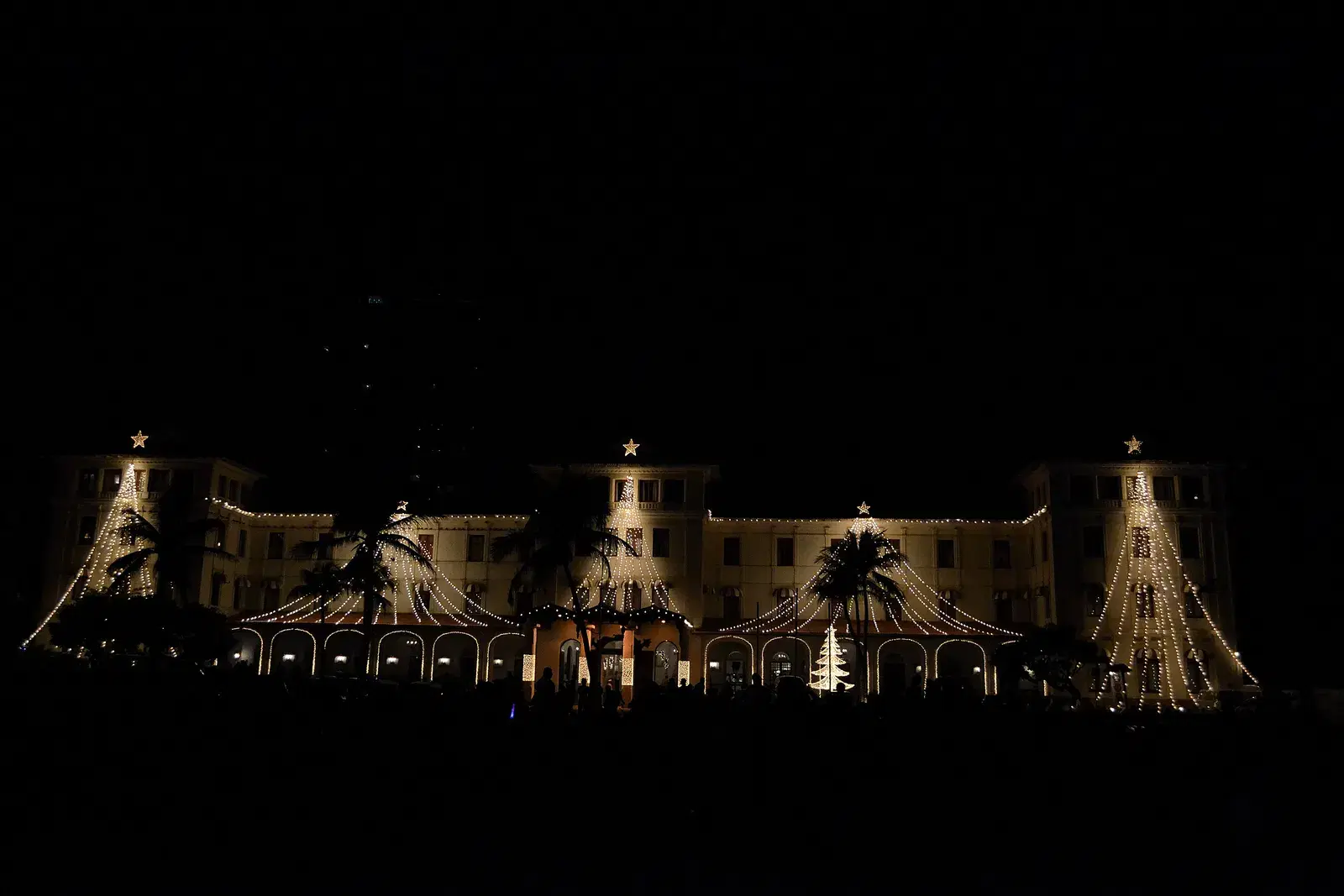
- Galle Face Hotel — Opened in 1864, South Asia's grandest colonial hotel — a genuine piece of history with a famous oceanfront verandah bar.
- Cinnamon Grand Colombo — Central 5-star, near Galle Face Green, Gangaramaya, and Viharamahadevi Park.
Where to eat in Colombo
Ministry of Crab
Sri Lankan lagoon crab, up to 2kg
A genuine splurge
Upali's by Nawaloka
Traditional Sri Lankan — jackfruit curry, mutton black curry
~LKR 1,500–2,500
Galle Face Green food carts
Isso wade, kottu roti, mango with chili salt
~LKR 200–500
Getting around Colombo
Colombo is spread out and genuinely hot for extended walking — use ride-hailing apps (PickMe is the dominant local one, alongside Uber) rather than trying to walk between districts.
Tuk-tuks are everywhere and cheap for short hops, but a ride-hailing app avoids the fare-negotiation step entirely, which is worth it in a city this size.
Traffic is a real factor at peak hours (roughly 7–9am and 4:30–7pm) — build in extra time if you're moving across the city during those windows, including to and from the airport.
What it costs — daily budget
| Tier | Per day (USD) | Per day (LKR) | Includes |
|---|---|---|---|
| Backpacker | $25–40 | ≈ LKR 7,500–12,000 | Budget hotel or hostel, street food and local restaurants, ride-hailing for transport, free sights (Galle Face, Pettah). |
| Mid-range | $55–100 | ≈ LKR 16,500–30,000 | Mid-range hotel, a mix of local and restaurant meals, museum and temple entries, regular ride-hailing use. |
| Comfort | $130–300+ | ≈ LKR 39,000–90,000+ | Heritage or 5-star hotel, a Ministry of Crab dinner, private car for the day. |
Safety and scams in Colombo
Colombo is a genuinely low-violent-crime city by regional standards, but it's a big city, and the usual big-city caution applies — petty theft risk rises in crowded areas, particularly Pettah market.
Keep bags zipped and in front of you in market crowds; the crowd itself is also a form of safety during daylight business hours, when the area is busiest and most watched.
Standard tuk-tuk overcharging applies here too — use a ride-hailing app where possible to sidestep the negotiation entirely, or agree the fare upfront if you do flag one down on the street.
As Sri Lanka's capital and main transit hub, be extra attentive to your belongings at the airport and on arrival — this is where jet-lagged, distracted travelers are most commonly targeted for opportunistic theft, not through any special danger specific to Colombo.
Hidden gems near Colombo
- Cross-streets of Pettah beyond the main drag — Most visitors stick to one or two streets; the specialist cross-streets (spices, sweets) are less crowded and more interesting.
- Colombo National Museum's colonial-era exhibits — Usually skipped in favor of the more famous royal regalia section.
- Early-morning Galle Face Green — Locals exercising and walking dogs before the evening food-cart crowd arrives — a completely different atmosphere from sunset.
Suggested Colombo itineraries
1 day (layover)
The essentials: Gangaramaya Temple in the morning, Pettah Market midday, Galle Face Green at sunset with street food.
2 days
Day 1: Gangaramaya Temple, Pettah Market, Galle Face Green at sunset.
Day 2: Colombo National Museum, a slower afternoon around Kollupitiya, dinner at Ministry of Crab or Upali's.
3 days
Day 1: Gangaramaya Temple, Pettah Market, Galle Face Green at sunset with street food.
Day 2: Colombo National Museum in the morning, Viharamahadevi Park and Independence Square in the afternoon.
Day 3: A slower final day — revisit Galle Face Green in the morning quiet, shop around Kollupitiya, a proper dinner at Ministry of Crab before departing.
Where to go next from Colombo
Colombo FAQ
How do I get from Colombo airport to the city?
A PickMe or Uber ride is the most convenient option at roughly LKR 2,500–3,500 (~$8–12), taking about 40 minutes. An official airport taxi costs more (LKR 4,500–6,000) but requires no app.
Is Colombo worth visiting, or just a layover?
It's genuinely worth a day or two — Galle Face Green at sunset, Pettah Market, and the food scene are all reasons to stay rather than rush straight to the beaches or hill country.
Is Pettah Market safe?
Yes for daytime visits, with normal big-city caution around petty theft in crowds — keep bags zipped and valuables close, as you would in any dense market anywhere.
What's the best free thing to do in Colombo?
Galle Face Green at sunset — free to visit, with street food vendors and a genuinely good local atmosphere.
How many days do I need in Colombo?
One day covers the core sights (Gangaramaya, Pettah, Galle Face). Two lets you add the museum and a proper dinner without rushing.
Is Viharamahadevi Park worth visiting?
It's free and pleasant rather than essential — Colombo's oldest and largest public park, a reasonable stop if you're already near Cinnamon Gardens or want a green break from the heat, but not worth a special trip on its own.
What's the best area to base yourself in Colombo?
Kollupitiya (Colombo 3) or Fort, both within easy reach of Galle Face Green, Gangaramaya Temple, and Pettah, and well served by ride-hailing apps for everywhere else.