Negombo
A practical Negombo guide: the fish market worth the early alarm, the Dutch canal and colonial-era churches, real airport-transfer costs, where to stay, and honest daily budgets.
Negombo is Sri Lanka's default first or last night: it sits just 10km from Bandaranaike International Airport, which makes it the obvious place to land at 2am and sleep, or to spend a final night before an early flight out. Most travelers treat it purely as a logistics stop, which sells it short — it's a genuine working fishing town with real colonial history, not just a cluster of airport hotels.
The Portuguese arrived here in the 16th century and the Dutch took over in 1640, and the mix of that history with the town's still-active Catholic fishing community earned it the nickname "Little Rome" — over 20 Roman Catholic churches sit within the town, a legacy that's rare anywhere else on this list. St. Mary's Church alone traces its congregation back to 1544, even though the current building dates only to 1874–1922.
The other thing worth knowing: Negombo's fish market is one of the best in the country, and it runs on fishing hours, not tourist hours. If you're only here for one night before or after a flight, an early-morning visit is genuinely worth losing an hour of sleep over — this is not a staged tourist attraction, it's the real economic engine of the town, running whether or not anyone's watching.
Most travelers see Negombo for a matter of hours either side of a flight, which is a reasonable way to use it, but it holds up fine as a genuine day or two on its own — especially for anyone who wants a lower-key, more local-feeling introduction to Sri Lanka before diving into a busier itinerary, or a gentle final stop to decompress before a long flight home.
Why go to Negombo
- It's 10km from the airport, making it the most practical first or last stop on almost any Sri Lanka itinerary.
- The fish market is one of the largest and most authentic in the country — a genuine working auction, not a tourist re-enactment.
- Its colonial Catholic history, visible in over 20 churches and the remnants of a 17th-century Dutch fort, is genuinely distinct from the Buddhist temple circuit most of the rest of the country focuses on.
- The Muthurajawela wetlands and Dutch Canal give a real, low-effort wildlife boat trip within a short drive, no separate destination required.
How to get to Negombo
From Bandaranaike Airport (CMB) — Tuk-tuk or taxi
About 10km, roughly 20–30 minutes depending on traffic. A tuk-tuk or taxi from the airport typically runs LKR 1,500–2,500 (~$5–8) — by far the shortest and cheapest airport transfer on this list.
From Bandaranaike Airport (CMB) — Ride-hailing app (PickMe or Uber)
A similar cost and time to a taxi, with the convenience of a fixed fare shown before you accept.
From Colombo Fort — Train or bus
About 37km, roughly 1–1.5 hours by train or bus — a straightforward day trip or transfer if you're coming from central Colombo rather than the airport.
Best time to visit Negombo
| Months | Rainfall | Crowds | Verdict |
|---|---|---|---|
| Dec – Mar | Low | Higher (peak season for the whole country) | The most reliable weather window, though as a short arrival/departure stop this matters less here than at a beach destination. |
| Apr – Nov | Higher, with two monsoon influences overlapping through the year | Lower | Rain is more likely, but the fish market, churches, and canal boat trips all work fine regardless of season — this isn't a beach-day destination where weather makes or breaks the visit. |
Things to do in Negombo
Negombo Fish Market (Lellama)
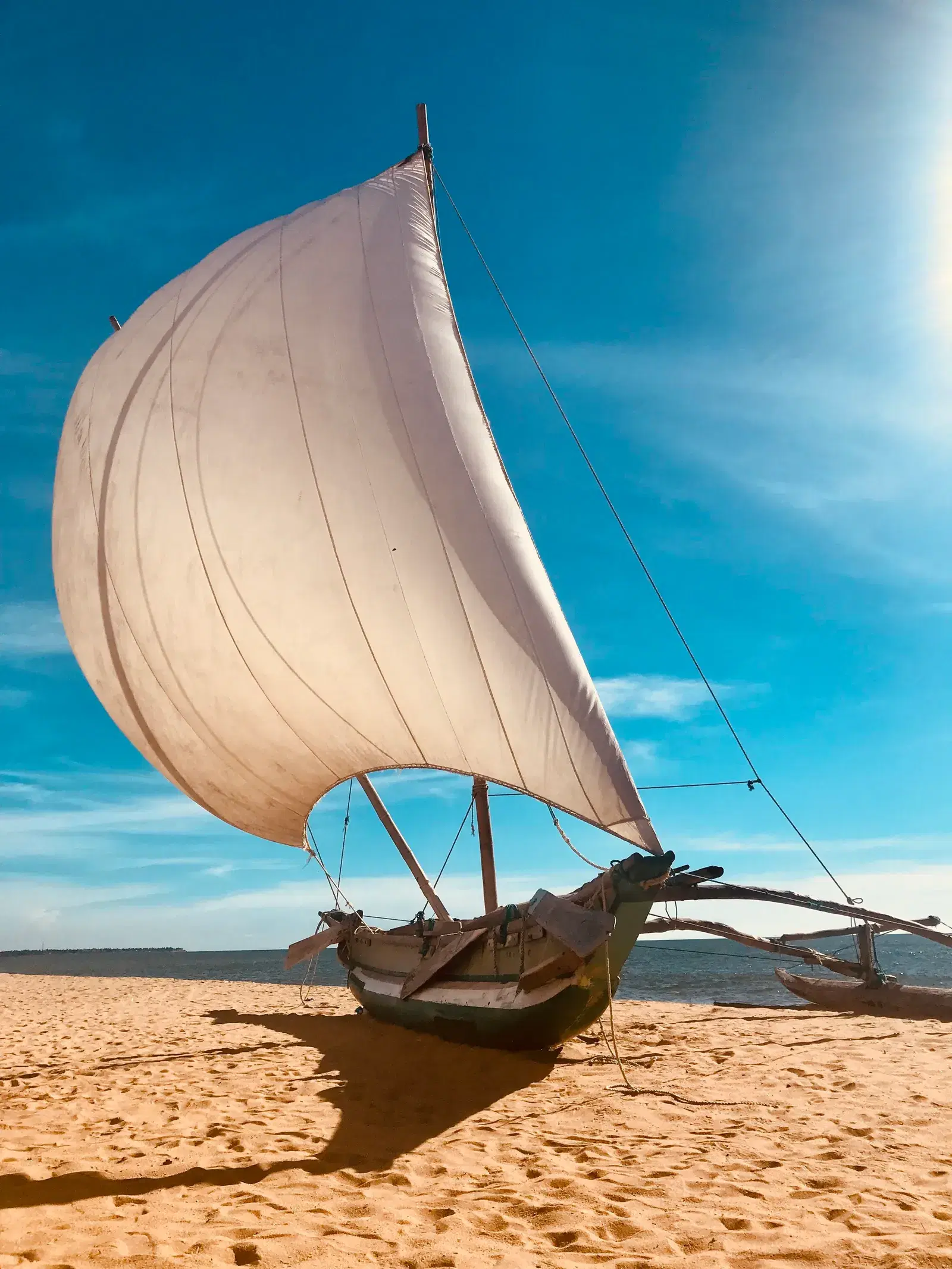
One of the largest fish markets in Sri Lanka, and a genuinely real one — auctioneers, traditional outrigger boats (oruwas) coming in with the catch, and fish laid out to dry on racks along the beach. Go as early as you can manage; by mid-morning the real action has wound down and it's just a market, not the auction. This is the single best reason to set an alarm on your first or last morning here.
St. Mary's Church
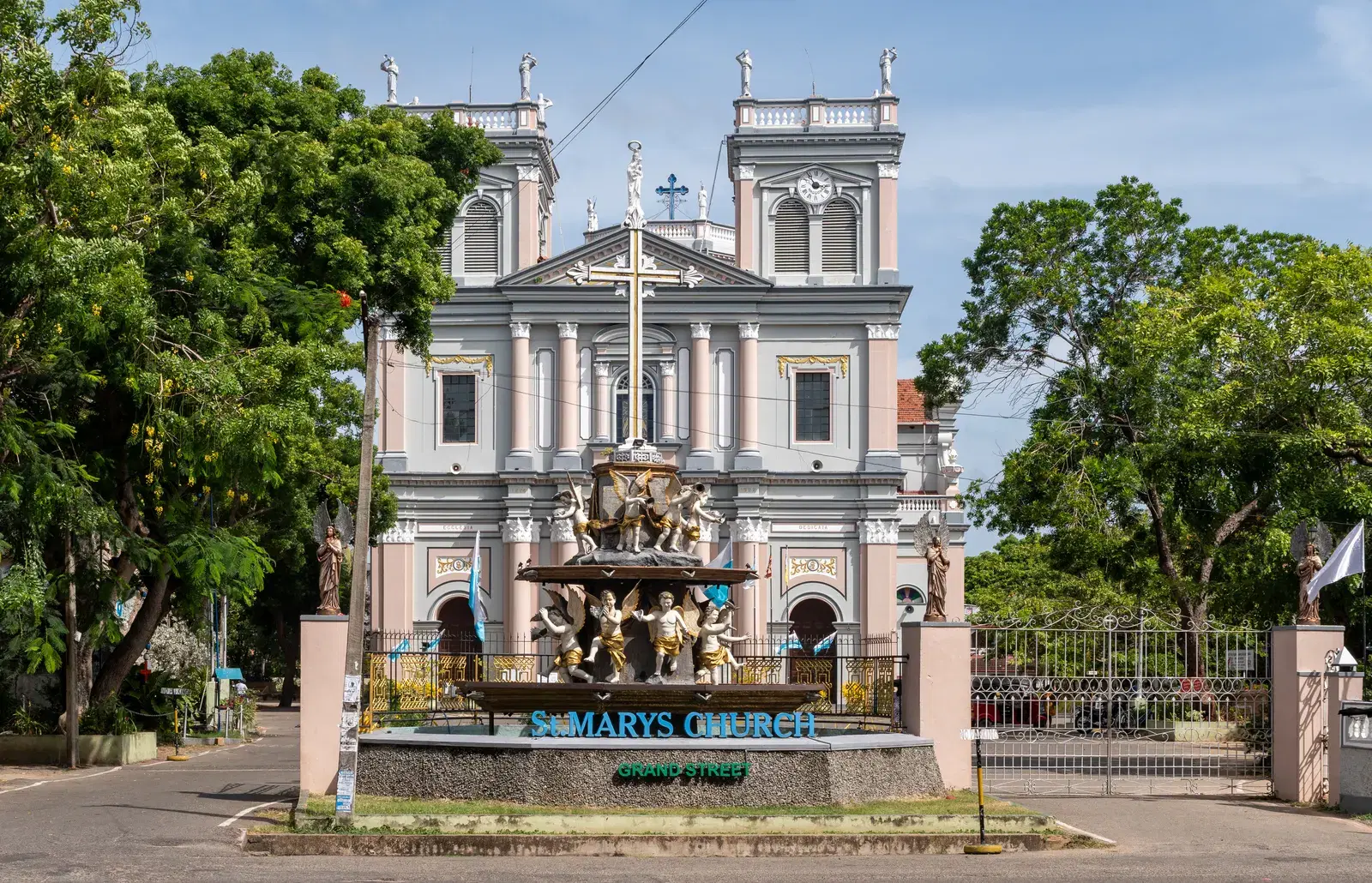
One of the largest Catholic churches in Sri Lanka, the fifth church built on a site with a congregation dating back to 1544 — construction on the current building ran from 1874 to 1922. The scale and painted ceiling are genuinely impressive for what most visitors expect to be a minor colonial chapel.
Negombo Dutch Fort remains
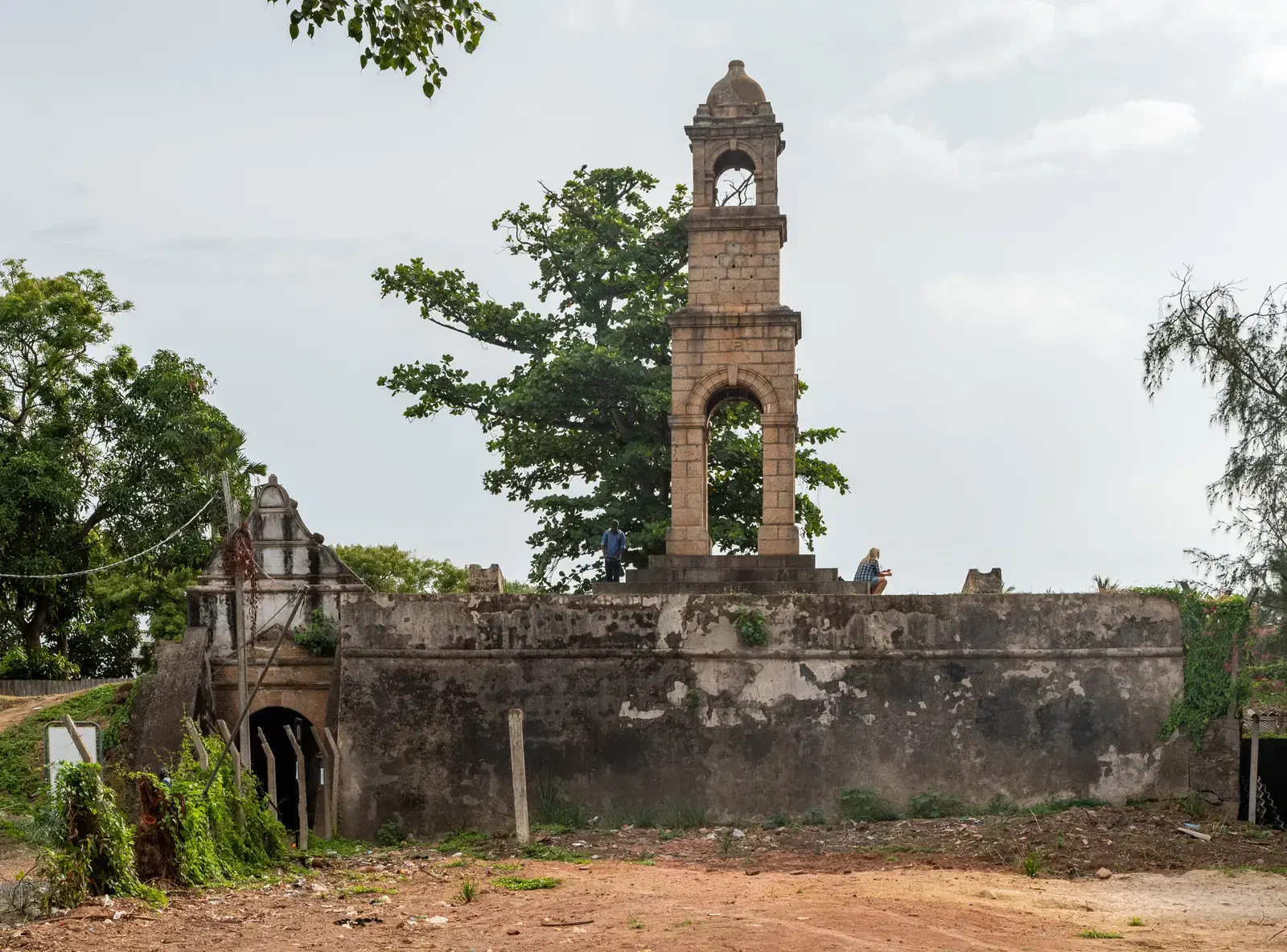
Originally built by the Portuguese in 1588 and seized by the Dutch in 1640, then rebuilt in a distinctive pentagonal pattern in 1672 to help secure the region's valuable cinnamon trade. Only a fragment survives near the waterfront — including a gateway now used by the town's prison — so treat it as a quick historical stop rather than a full ruin to explore.
Dutch Canal boat trip
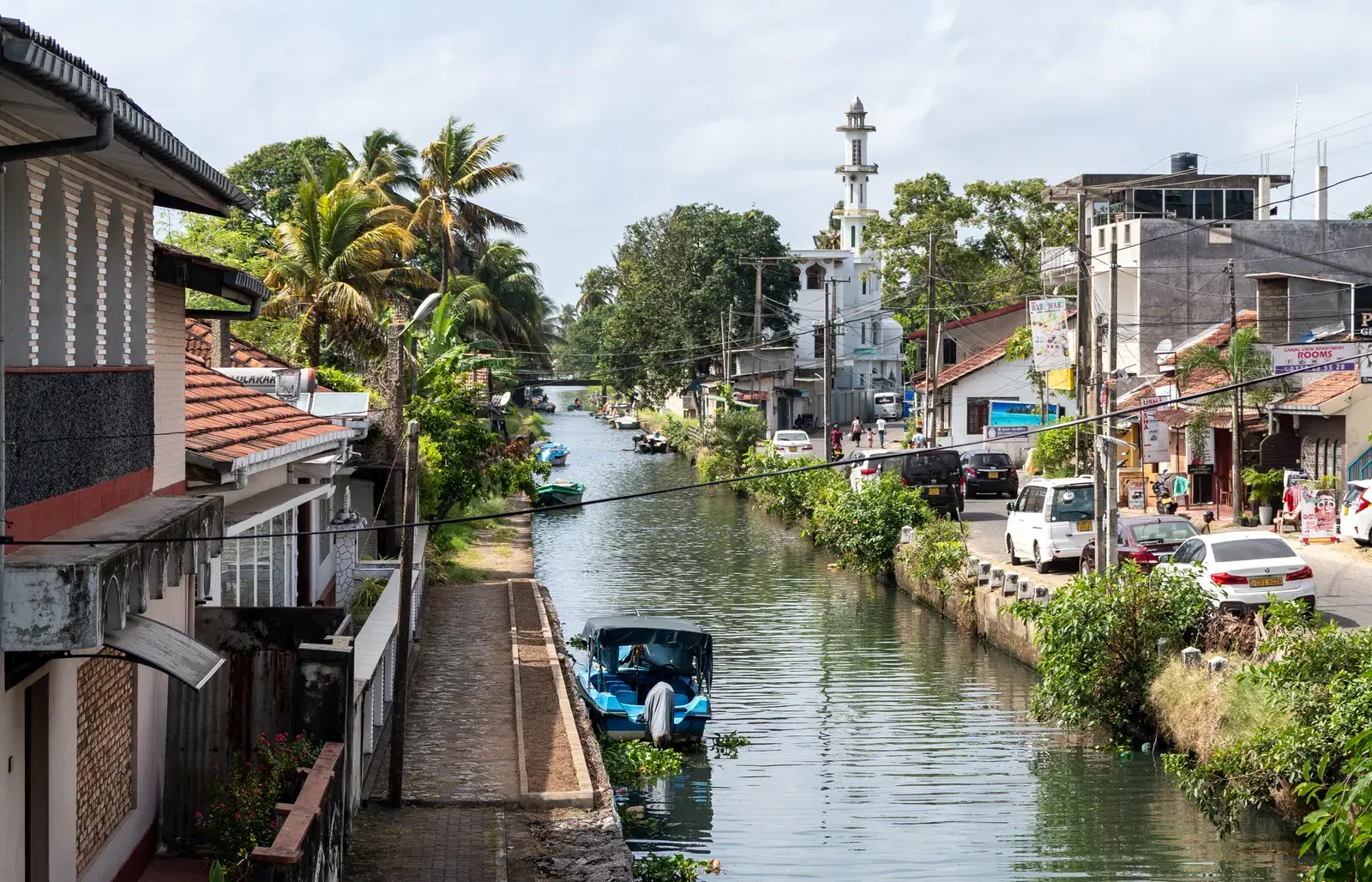
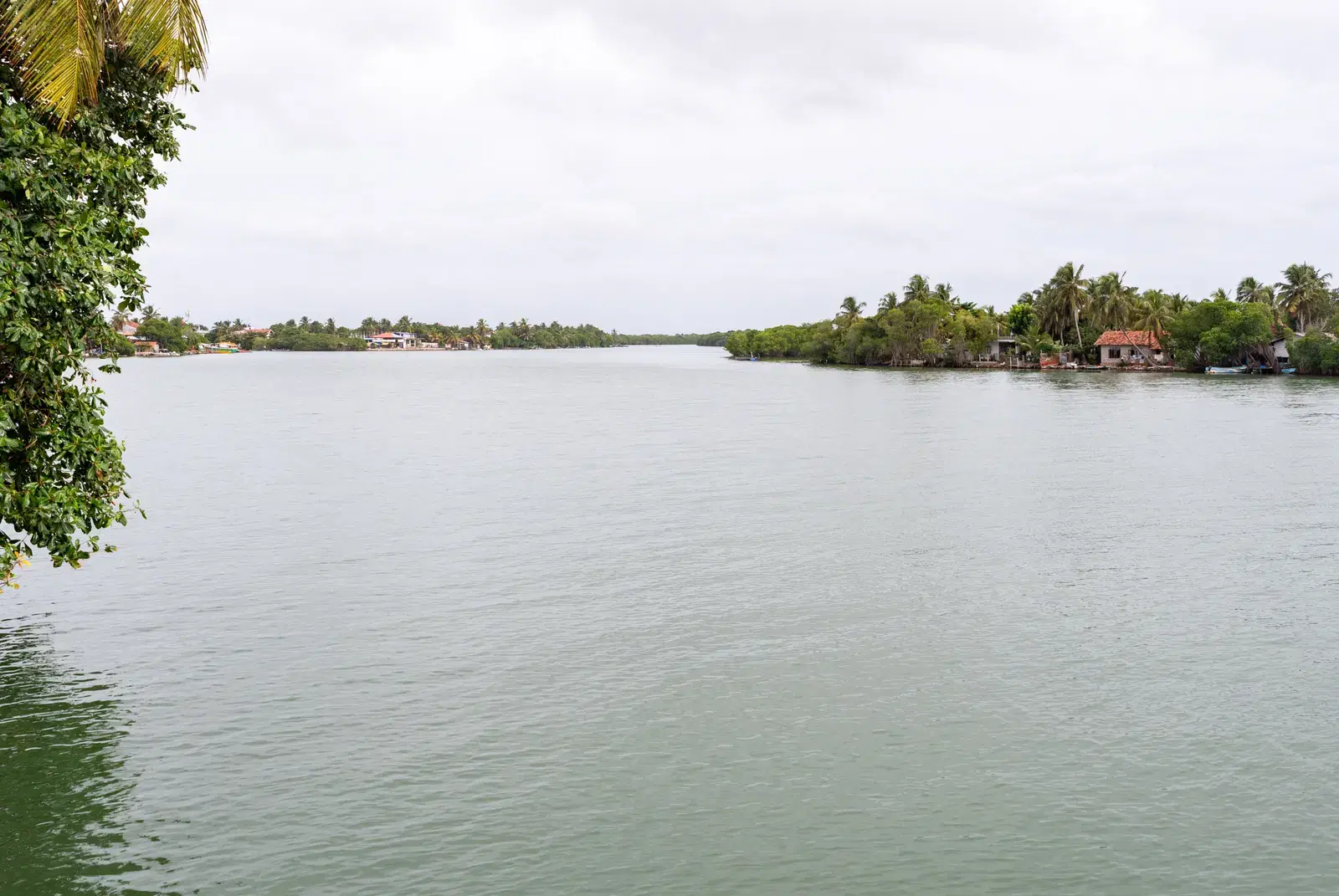
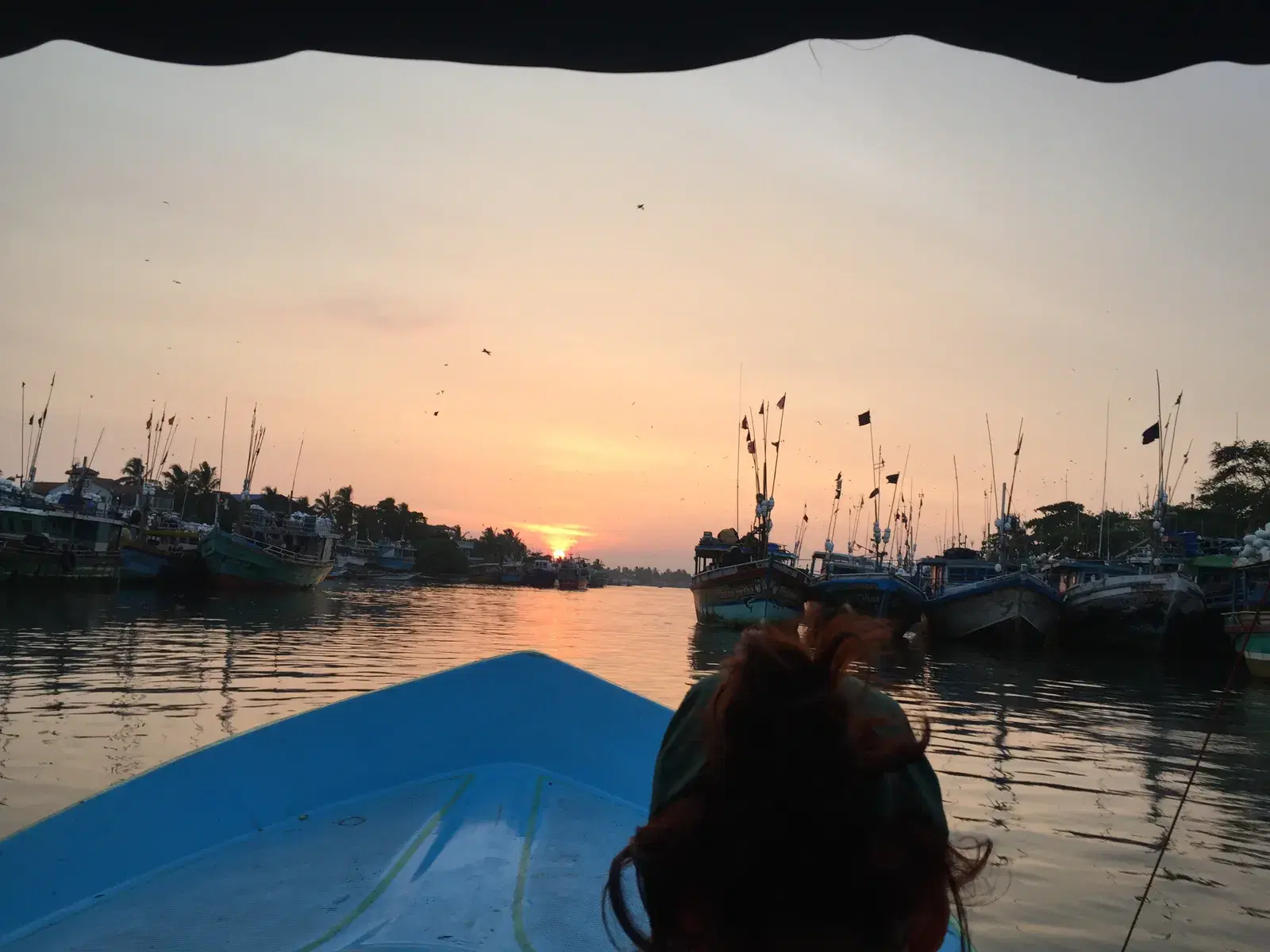
The Dutch built this 14.5km canal system in 1802 to move cinnamon and other goods between Colombo and Puttalam, and stretches of it are now used for relaxed sunset boat trips through the lagoon and mangroves. It's a quieter, more local alternative to a full Muthurajawela safari if you're short on time.
Muthurajawela Marsh boat safari
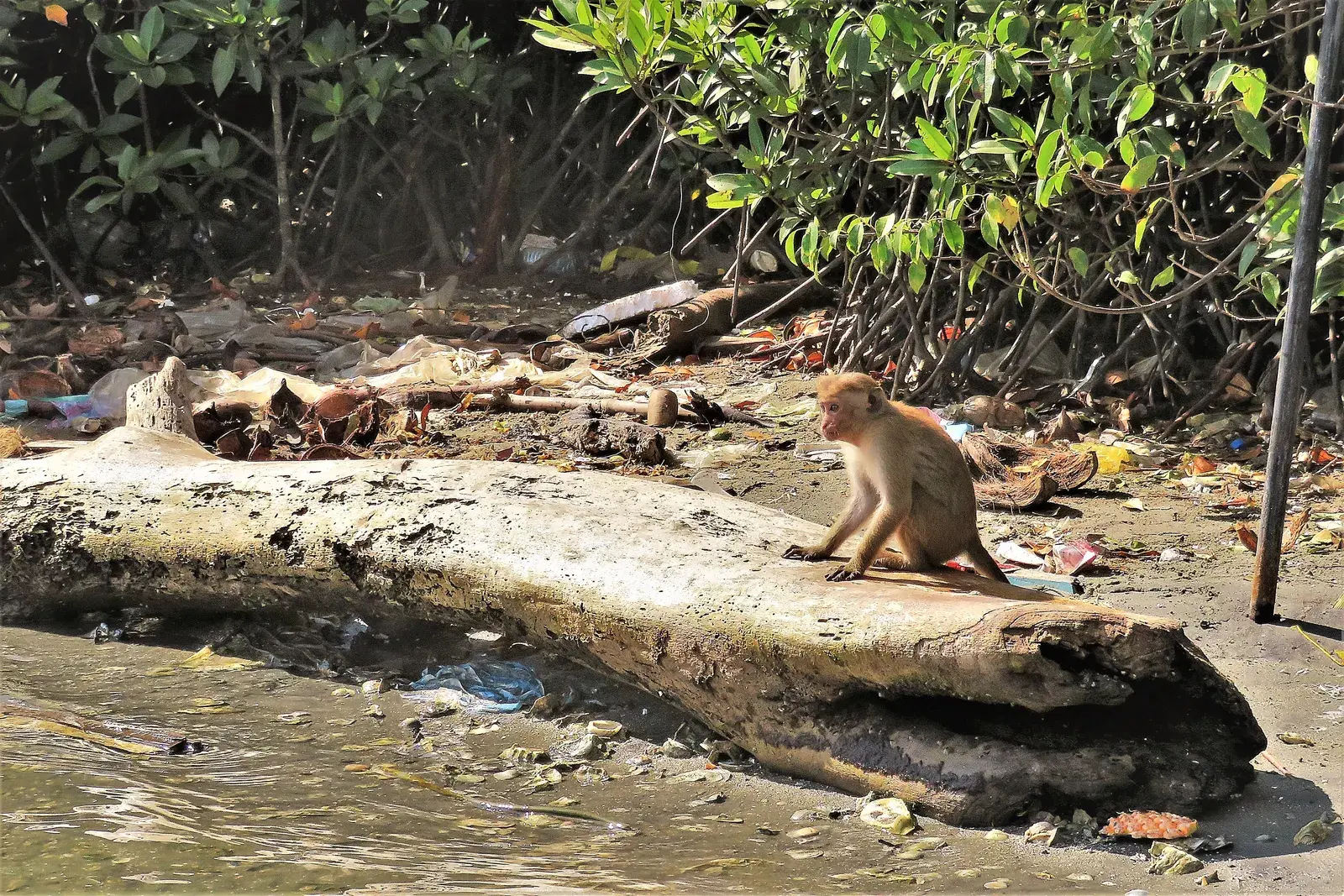
A 6,000-hectare wetland just south of Negombo, one of the largest in the country, explored by boat through a network of canals, lagoons, and mangrove channels. Genuinely good for birdwatching and a look at rural fishing life away from the town centre — a legitimate half-day activity, not just a way to fill time before a flight.
Angurukaramulla Temple
Negombo's largest and oldest Buddhist temple, over 300 years old, anchored by a 6-metre seated Buddha statue outside and interior walls painted with scenes from the Buddha's life and Sri Lankan Buddhist history. A useful counterpoint to the town's dominant Catholic churches if you want both sides of Negombo's religious character in one visit.
Negombo Beach
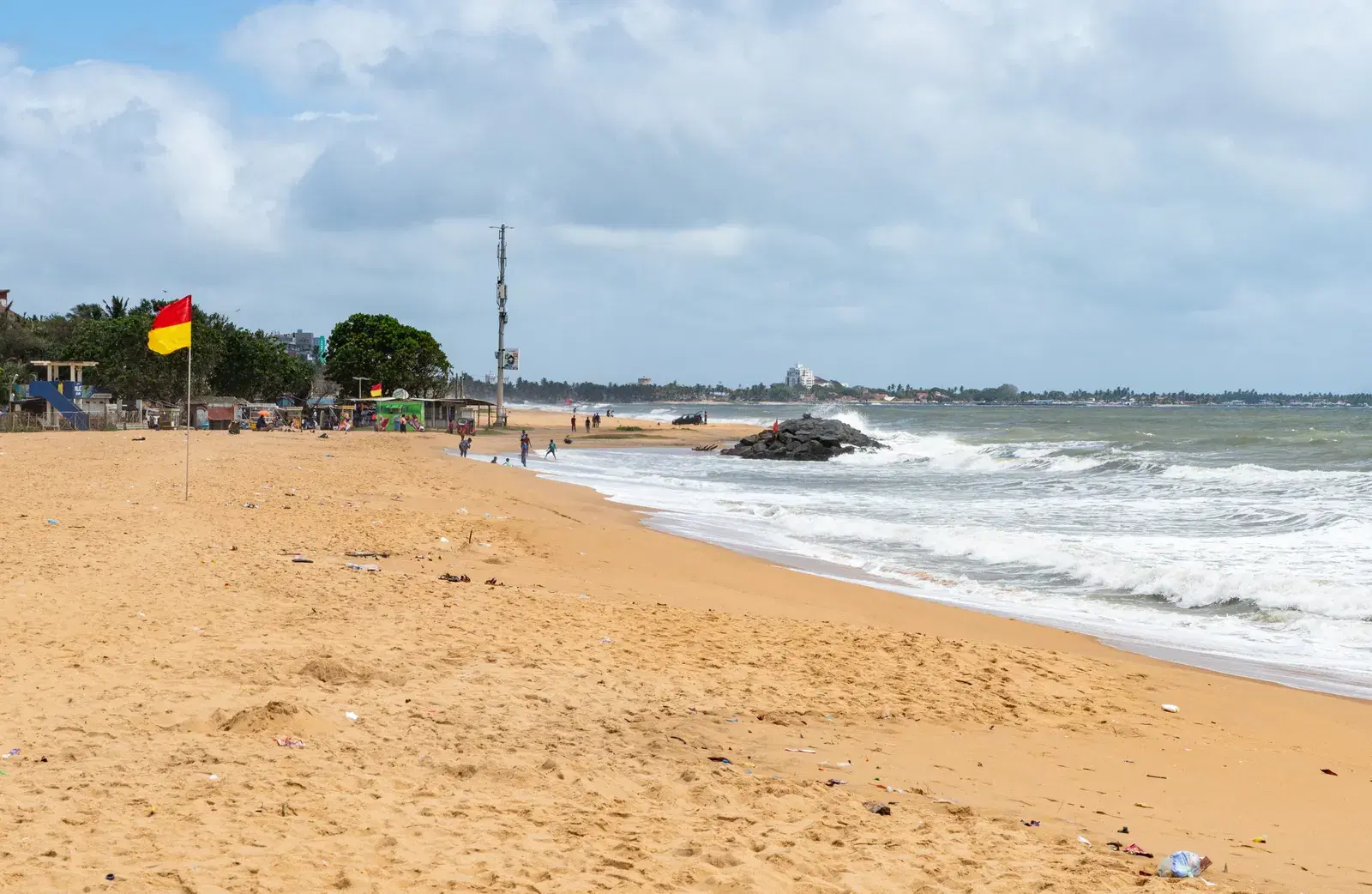
A long, windy stretch of sand better suited to a walk or kite-flying than serious swimming — this isn't a south-coast beach destination, and treating it as one will disappoint. It's a reasonable place to unwind before a flight, not a reason to extend your stay on its own.
Where to stay in Negombo
Budget — Central Negombo / near the beach road
- Guesthouses along the beach road — From roughly $15–25/night — plenty of options given how many arriving and departing travelers pass through.
Mid-range — Ethukala / beach road
- Mid-range beachfront guesthouses and small hotels — A comfortable step up without full resort pricing, most within a short tuk-tuk of the fish market.
High-end — Ethukala Beach
- Jetwing Beach — A 5-star property on Ethukala Beach with multiple restaurants, about 3km from central Negombo.
- Jetwing Sea — Home to the Lellama Restaurant, serving fresh seafood in a thatched-roof fisherman's-hut setting right on the beach.
Where to eat in Negombo
Lellama Restaurant (Jetwing Sea)
Fresh seafood in a beachfront fisherman's-hut setting
~LKR 2,000–4,000
Restaurants along the beach road
Sri Lankan rice and curry, seafood
~LKR 700–1,500
Fish market stalls
Freshly grilled or fried fish, bought straight off the boats
~LKR 400–900
Getting around Negombo
Central Negombo and the beach road are walkable in stretches, but the fish market, Dutch Canal, and various churches are spread out enough that a tuk-tuk is the practical way to cover them in one morning.
Tuk-tuks are cheap and plentiful given the volume of arriving and departing travelers; agree the fare before getting in.
For Muthurajawela, most operators include hotel pickup and drop-off as part of the tour price rather than requiring you to arrange transport separately.
What it costs — daily budget
| Tier | Per day (USD) | Per day (LKR) | Includes |
|---|---|---|---|
| Backpacker | $20–35 | ≈ LKR 6,000–10,500 | Budget guesthouse, local meals, the fish market and churches (all free), occasional tuk-tuk. |
| Mid-range | $45–80 | ≈ LKR 13,500–24,000 | Mid-range beachfront guesthouse, restaurant meals, a Dutch Canal or Muthurajawela boat trip, regular tuk-tuk use. |
| Comfort | $100–200+ | ≈ LKR 30,000–60,000+ | 5-star beachfront stay, a private Muthurajawela tour, dining at your hotel's restaurants. |
Safety and scams in Negombo
Negombo is low-risk in the usual crime sense — it's a well-established tourist and expat-friendly town used to travelers arriving at odd hours.
As with any airport-adjacent town, some tuk-tuk drivers and touts specifically target jet-lagged arrivals with inflated fares — agree the price before getting in, or use a ride-hailing app for a fixed fare shown up front.
The fish market is a genuine working environment with wet, slippery ground and moving boats — watch your footing and stay aware of activity around you rather than only looking through a camera.
As at any Catholic church in active use, dress reasonably modestly, particularly if a service is in progress.
Hidden gems near Negombo
- The Dutch Canal at sunset — Quieter and less structured than a full Muthurajawela safari, and often overlooked by travelers rushing to or from the airport.
- Angurukaramulla Temple — A genuinely old, significant Buddhist temple that most Negombo visitors, focused on the Catholic churches, never get to.
- The fish market after 9am — The auction energy has faded, but the drying racks and quieter stalls are still worth a look if you can't manage the pre-dawn version.
- The smaller churches beyond St. Mary's — With more than 20 Catholic churches in town, a short walk beyond the main one turns up genuinely distinct, much quieter buildings most visitors never see.
Suggested Negombo itineraries
1 night (airport layover)
The essentials: Arrive, rest; early-morning fish market before departure or after arrival, depending on flight timing.
1 day
The essentials: Early fish market, St. Mary's Church and the Dutch Fort remains, afternoon Dutch Canal or Muthurajawela boat trip.
2 days
Day 1: Early fish market, St. Mary's Church, Dutch Fort remains, Angurukaramulla Temple.
Day 2: Muthurajawela Marsh boat safari in the morning, relaxed beach afternoon before departure.
Where to go next from Negombo
Negombo FAQ
How far is Negombo from the airport?
About 10km, roughly 20–30 minutes by tuk-tuk or taxi, typically costing LKR 1,500–2,500 (~$5–8) — the shortest and cheapest airport transfer of any major stop in Sri Lanka.
Is the Negombo fish market worth waking up early for?
Yes, if you want the real auction atmosphere — it's busiest between roughly 5am and 9am, with boats returning as early as 3:30–4am. By mid-morning it's just a market, not the auction.
Why is Negombo called "Little Rome"?
It has over 20 Roman Catholic churches, a legacy of Portuguese colonization in the 16th century and a strong Catholic fishing community that continues today.
Is Negombo beach good for swimming?
It's better suited to walking or kite-flying than serious swimming — this is a windy stretch of coast, not a south-coast beach destination, so temper expectations if that's your priority.
How many days do I need in Negombo?
One night is enough as an airport stop; a full day lets you add the fish market properly, the churches, and a canal or Muthurajawela boat trip without rushing.
What is Muthurajawela?
A 6,000-hectare wetland just south of Negombo, one of the largest in Sri Lanka, explored by boat — genuinely good for birdwatching and a look at rural fishing communities away from the town centre.
Should I stay in Negombo or Colombo before my flight?
Negombo, in almost every case — it's 10km from the airport versus roughly an hour or more from central Colombo, making it the more practical choice for an early flight or a late arrival.
Is Negombo just an airport town, or worth visiting on its own?
It's genuinely worth more than a layover — the fish market, colonial churches, Dutch Fort remains, and wetland boat trips add up to a legitimate day or two, not just a place to sleep off jet lag.
Can I combine Negombo with a canal or lagoon boat trip on a tight layover?
Yes, if your layover is at least a few hours during daylight — a short Dutch Canal trip can run under two hours, though a full Muthurajawela safari needs a more relaxed morning to be worthwhile.