Jaffna
A practical guide to Jaffna: Nallur Kandaswamy Temple, the rebuilt Dutch fort, Delft Island's wild ponies, real prices, where to stay, and honest daily budgets for Sri Lanka's Tamil cultural capital.
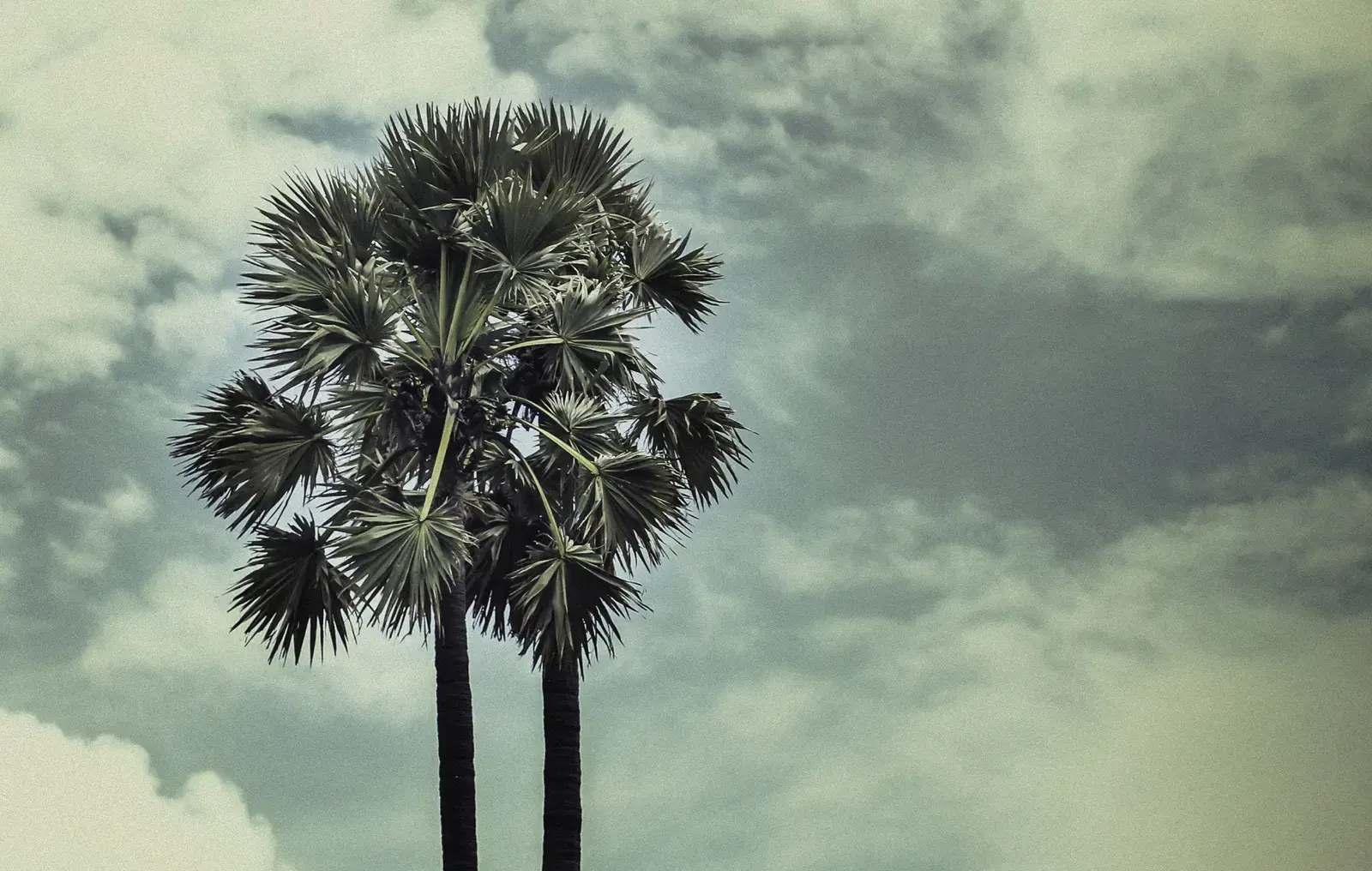
Jaffna is a genuinely different Sri Lanka. It's the cultural and spiritual capital of the island's Tamil community, a Hindu-majority city of gopuram temple towers, palmyrah palms, and a cuisine built around crab curry and mutton rolls rather than the coconut-and-Buddhist-temple rhythm most visitors experience further south. For decades it was largely off-limits to travelers — the city sat at the heart of Sri Lanka's civil war, which ended in 2009 — and tourism infrastructure here is still noticeably younger and thinner than in Kandy or Galle. That's part of the appeal: Jaffna doesn't yet feel packaged for tourists.
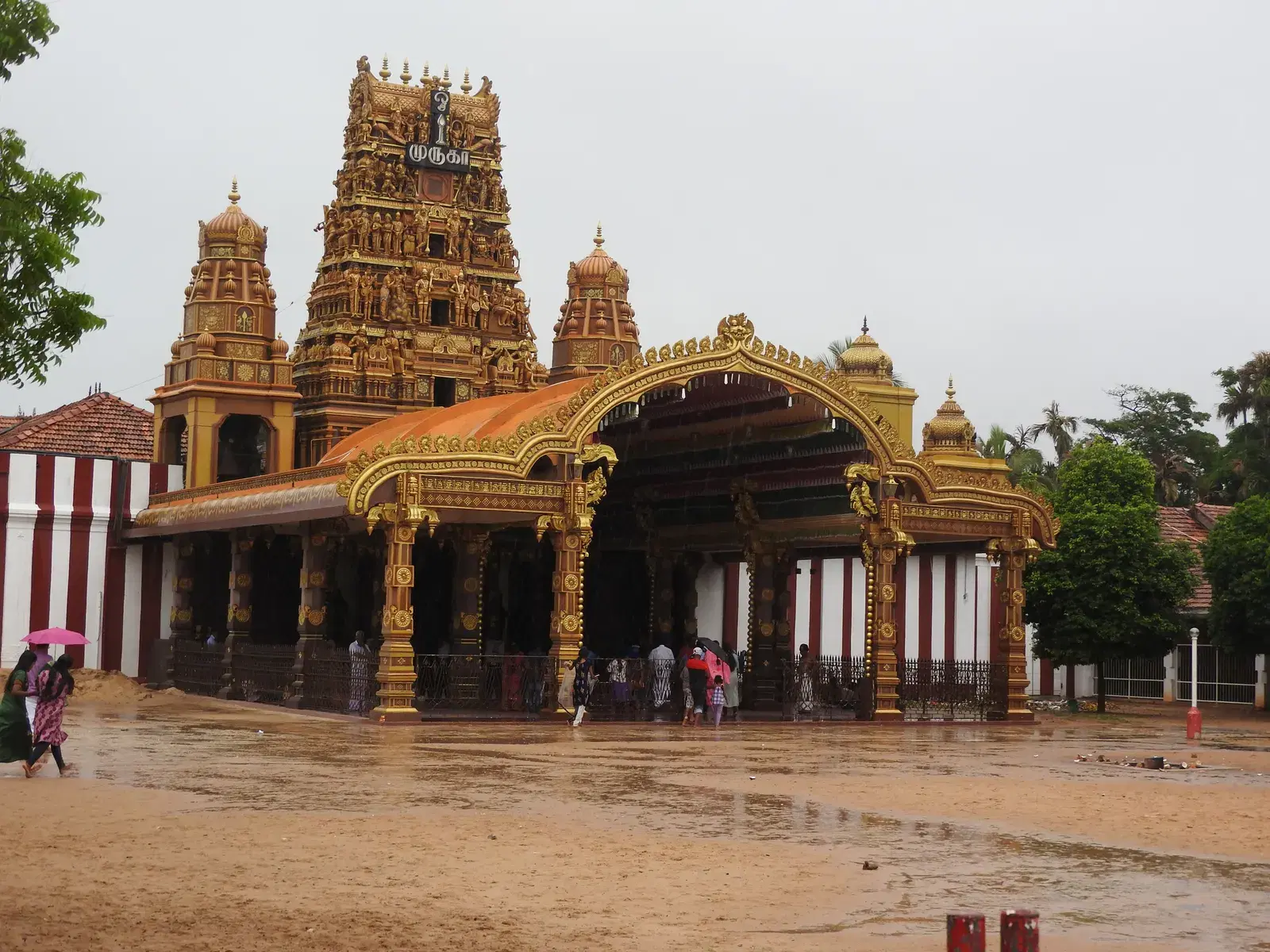
The peninsula's flat, dry landscape and strong Dravidian architectural influence make it feel closer to Tamil Nadu across the Palk Strait than to the rest of Sri Lanka, and that's not a coincidence — the cultural, linguistic, and religious ties run deep and predate any modern border. Nallur Kandaswamy Temple, the city's spiritual anchor, hosts a 25-day annual festival each August/September that draws hundreds of thousands of pilgrims and is one of the most spectacular religious events in South Asia, featuring elaborate chariot processions and, on one night, a ritual involving devotees pierced with hooks and skewers as an act of devotion.
The scars of the war are still visible if you know where to look — bullet-pocked walls, the rebuilt library that was one of the conflict's most symbolically devastating losses, war memorials with very different meanings depending on who you ask — but Jaffna today is functioning, welcoming, and rebuilding fast. The 2023-reopened rail line from Colombo (a scenic if long journey) and steadily improving roads have made the city far more accessible than it was even five years ago.
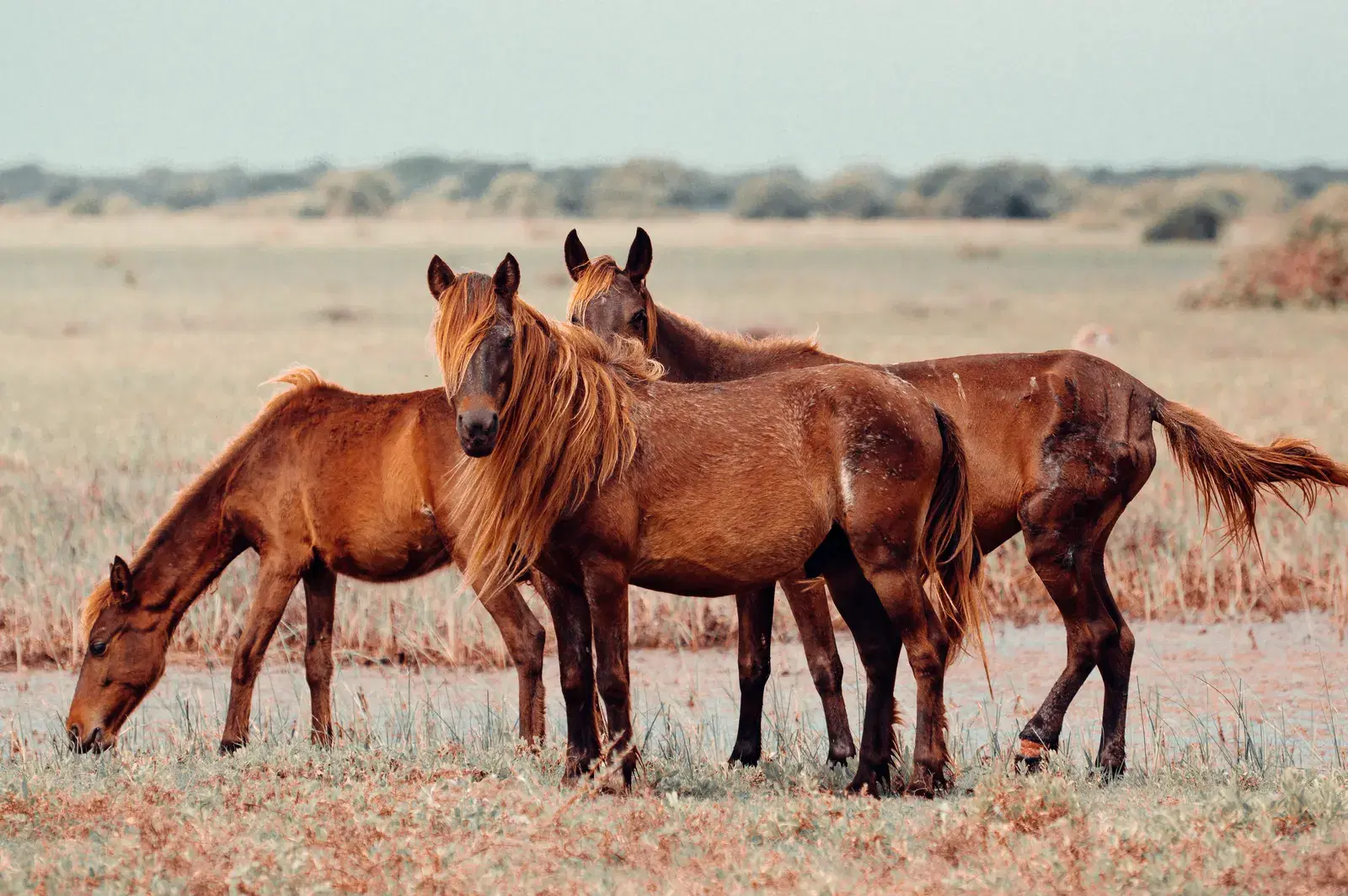
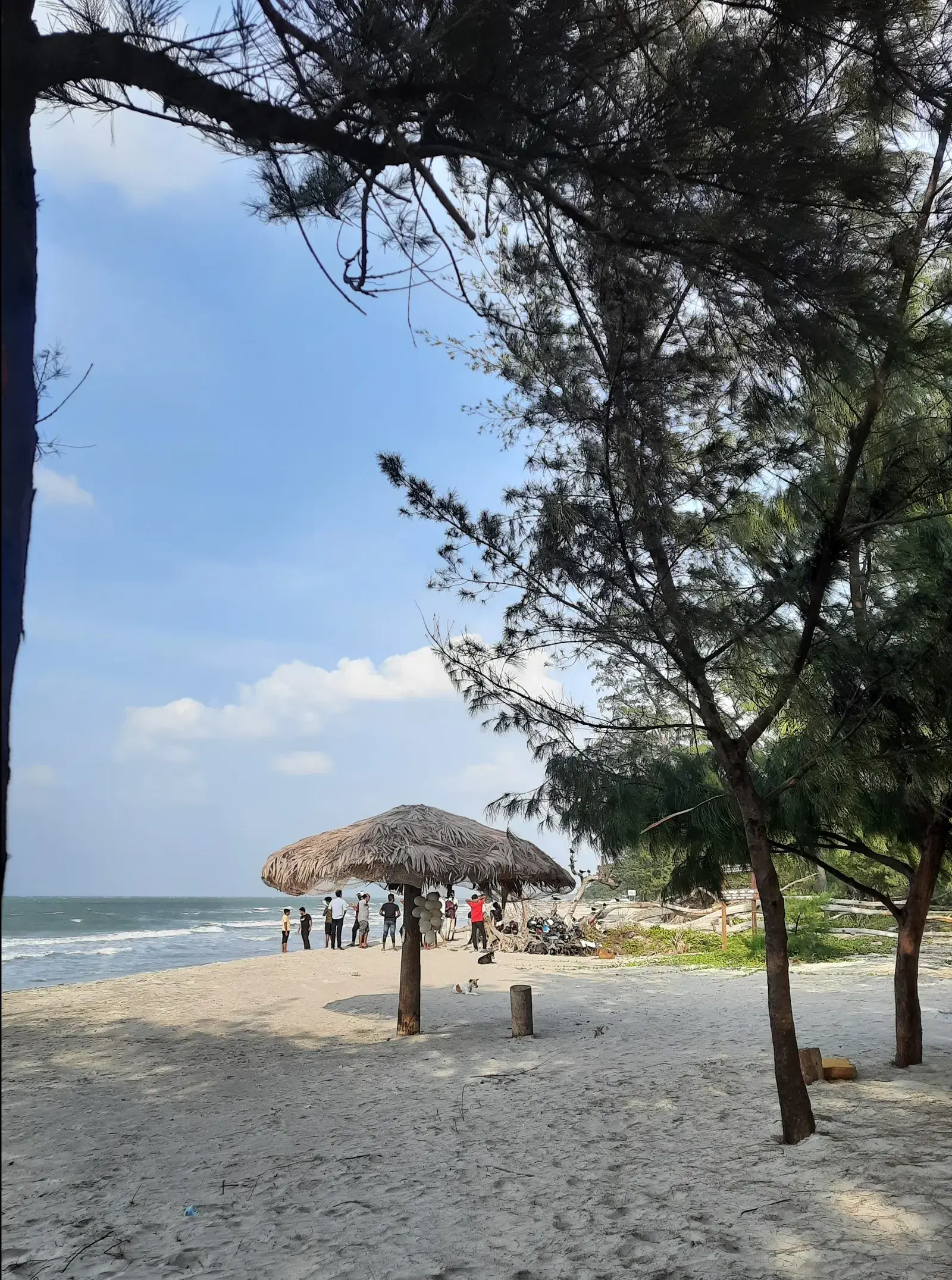
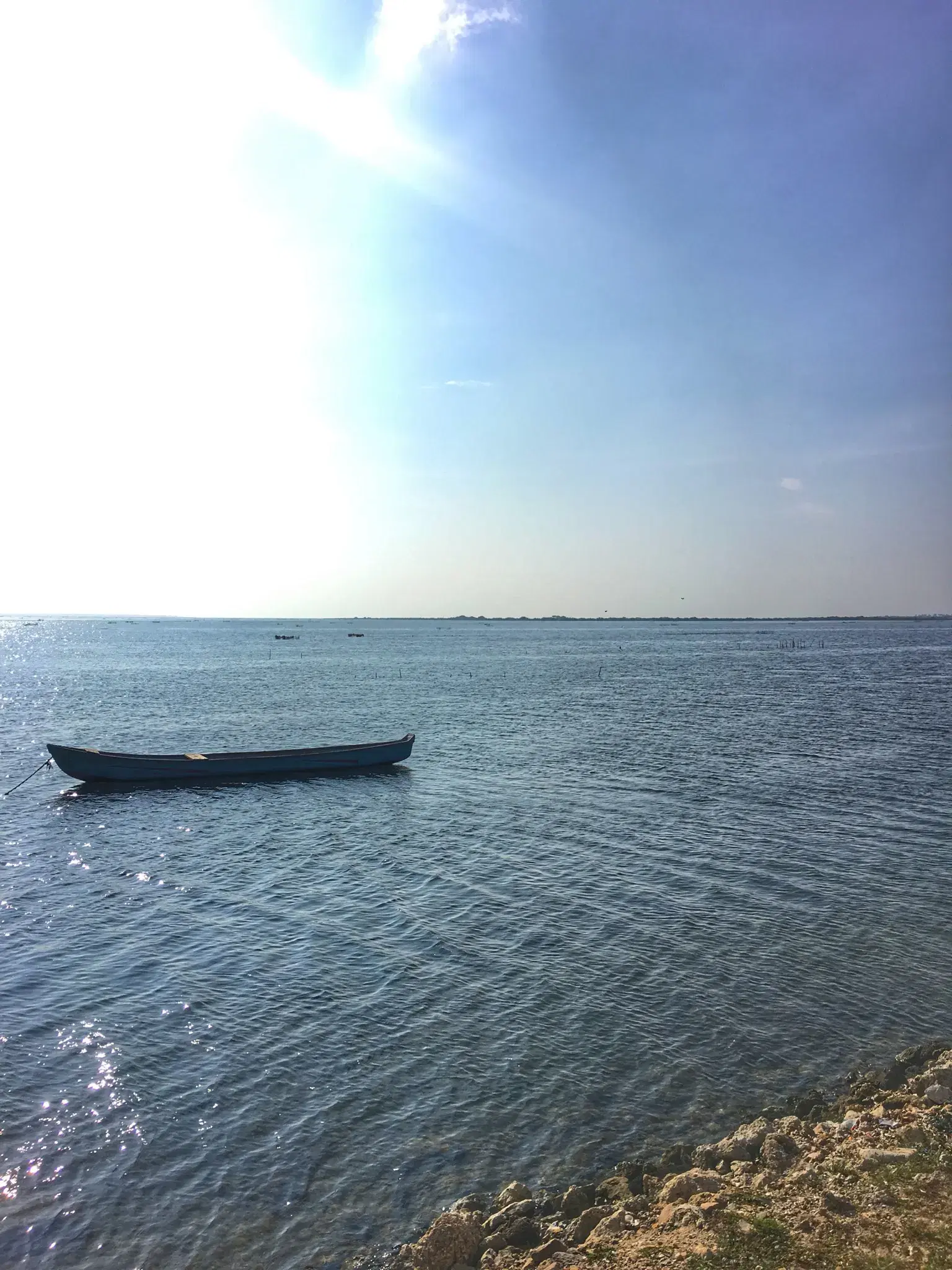
Offshore, the islands of the Jaffna peninsula add a further layer: Delft Island's population of feral, Portuguese-descended wild ponies and a strange coral-stone fence maze are unlike anything else in Sri Lanka, while Casuarina Beach offers a rare stretch of shallow, safe swimming water on a coastline more known for its history than its sand.
Why go to Jaffna
- Jaffna offers a genuinely distinct cultural experience — Hindu Tamil heritage, Dravidian temple architecture, and a cuisine built around crab curry and palmyrah products rather than the Sinhalese-Buddhist culture found elsewhere in Sri Lanka.
- Nallur Kandaswamy Temple's annual festival is one of South Asia's most spectacular religious events, and even outside festival season the temple's daily rituals are open to respectful visitors.
- Delft Island's wild ponies and coral-stone ruins are a genuinely unusual day trip found nowhere else on the island.
- Tourism infrastructure here is still developing, which means fewer crowds and a more unfiltered look at daily Sri Lankan Tamil life than more established destinations offer.
How to get to Jaffna
From Bandaranaike Airport (CMB) — Domestic flight
The fastest option — roughly 1 hour direct to Jaffna International Airport, with flights operating a few times a week depending on the season.
From Colombo — Train
The Yal Devi line to Jaffna reopened fully in 2014 after being suspended for decades during the war; the journey takes around 6-7 hours and is scenic, passing through the dry north-central plains.
From Colombo — Bus or private car
About 400 km, roughly 7-8 hours by road via the A9 highway — a long but straightforward drive on generally good roads.
From Anuradhapura — Train or private car
About 150 km, roughly 3 hours — a reasonable way to combine Jaffna with the ancient cities of the cultural triangle.
Best time to visit Jaffna
| Months | Rainfall | Crowds | Verdict |
|---|---|---|---|
| Jan. – Sep. | Generally low (dry zone climate) | Moderate, peaking around the Nallur Festival in Aug/Sep | The most reliable dry season for this part of the island, and the window to catch the Nallur Kandaswamy Temple festival if that's a priority. |
| Oct. – Dec. | Higher (northeast monsoon) | Lower | The wettest stretch of the year here — the northeast monsoon affects Jaffna differently than the rest of the island, so check conditions before planning a visit in this window. |
Things to do in Jaffna
Nallur Kandaswamy Temple
The spiritual heart of Jaffna and one of the most important Hindu temples in Sri Lanka, topped by a gold-plated gopuram tower and animated by frequent, loud, drum-and-conch-accompanied poojas throughout the day. The 25-day annual festival in August/September is genuinely spectacular, but even on an ordinary day the atmosphere is intense and welcoming to respectful visitors.
Jaffna Fort
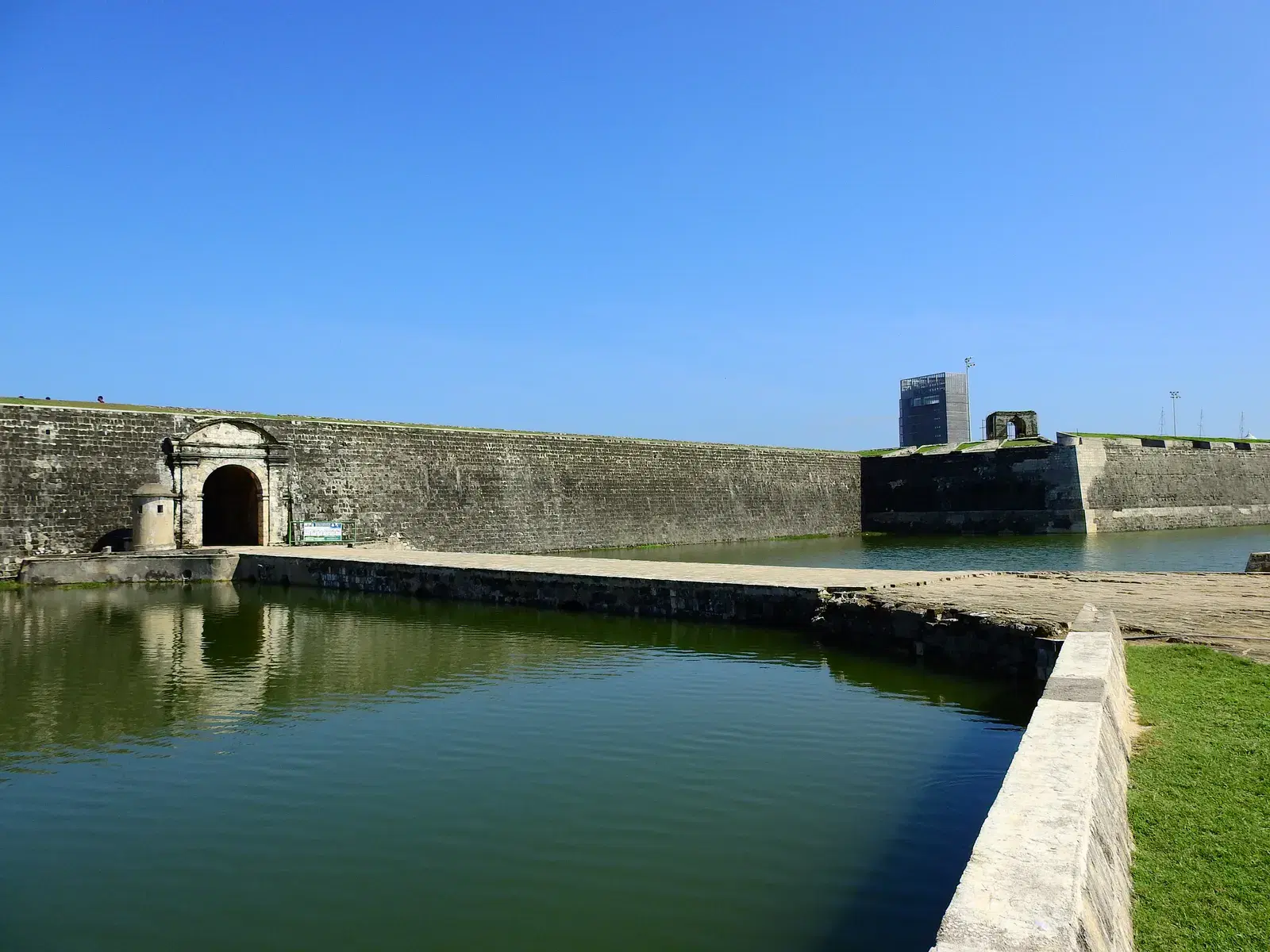
Originally built by the Portuguese in 1618 and massively expanded by the Dutch into one of the largest and best-preserved star forts in Asia, the fort suffered heavy damage during the civil war and is now under long-term restoration. Walking its ramparts and moat gives a real sense of scale, and the ongoing rebuilding work is itself part of the story of the city's recovery.
Jaffna Public Library
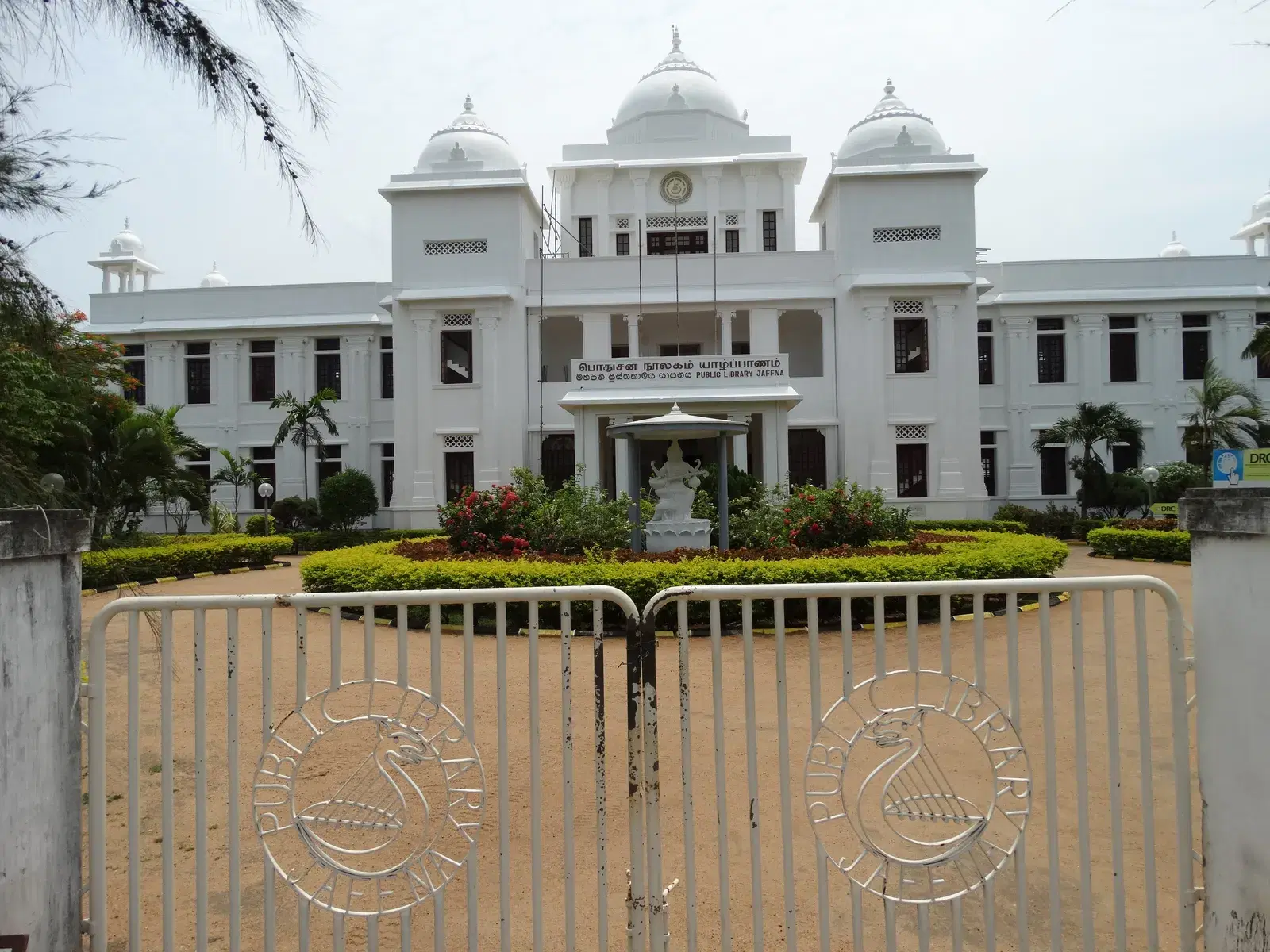
Once one of Asia's finest libraries with a collection of over 97,000 volumes, it was deliberately burned down in 1981 in an act widely seen as a turning point toward the civil war, then rebuilt and reopened in 2003 as a powerful symbol of the city's resilience. Even a brief visit carries real historical weight.
Delft Island (Neduntheevu)
A flat, windswept island reachable by ferry from Kurikadduwan, populated by a feral herd of wild ponies believed to descend from horses brought by the Portuguese centuries ago. The island also has a strange baobab tree said to be planted by Arab traders, a Dutch fort ruin, and coral-stone fences built without mortar — genuinely unlike anywhere else in Sri Lanka.
Casuarina Beach
A shallow, calm stretch of sand on the Jaffna peninsula, unusual in Sri Lanka for water shallow enough to wade out a long way — locals say you can walk out nearly a kilometer before the water gets deep. A pleasant, low-key spot rather than a dramatic one, best treated as a relaxed afternoon stop.
Jaffna Market and old town streets
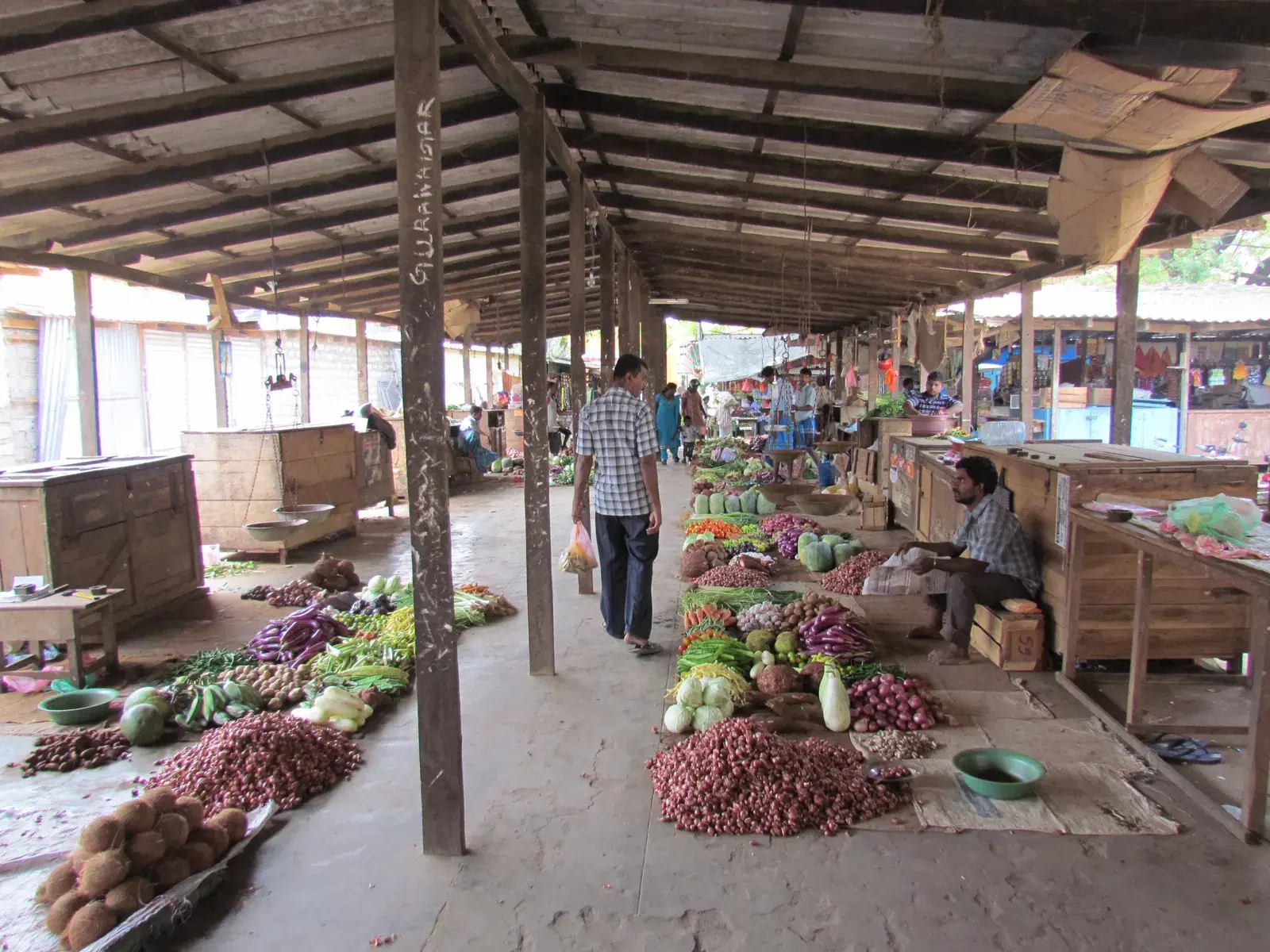
A working market selling dried fish, palmyrah products, spices, and produce, surrounded by streets of colorful, sometimes still war-scarred colonial-era buildings. The best way to get a feel for everyday Jaffna life outside the temples and monuments.
Nagadeepa Purana Vihara and Nainativu Nagapooshani Amman Temple
A rare case in Sri Lanka of a Buddhist temple and a major Hindu temple standing on the same small island, Nainativu, reachable by ferry — a genuinely interesting example of the interwoven religious geography of the north.
Where to stay in Jaffna
Budget — Jaffna town center
- Guesthouses in central Jaffna — Simple, family-run options, roughly $15-25/night — the norm here given the city's still-developing tourism infrastructure.
Mid-range — Jaffna town
- Mid-range hotels near the fort — Comfortable, straightforward hotels within easy reach of the main sights.
High-end — Jaffna town
- Jetwing Jaffna — The most established upscale option in the city, offering reliable comfort and a rooftop pool in a town where luxury infrastructure is still limited.
Where to eat in Jaffna
Local Jaffna restaurants
Crab curry, mutton rolls, and other Jaffna Tamil specialties
~500-1,500 LKR
Jetwing Jaffna restaurant
Jaffna cuisine and international dishes
~1,500-3,000 LKR
Street food stalls
Palmyrah-based snacks, short eats
~100-400 LKR
Getting around Jaffna
Jaffna town is manageable by tuk-tuk or, for the more adventurous, bicycle — the terrain is flat and the city compact.
Tuk-tuks are widely available; agree on a fare before setting off.
Reaching Delft Island and Nainativu requires a ferry, and many travelers arrange a driver for the day to combine the ferry terminal, the fort, and the temple in one trip.
What it costs — daily budget
| Tier | Per day (USD) | Per day (LKR) | Includes |
|---|---|---|---|
| Backpacker | $20-30 | ≈ 6,000-9,000 LKR | Budget guesthouse, local meals, temple visits (free), occasional tuk-tuk rides. |
| Mid-range | $40-70 | ≈ 12,000-21,000 LKR | Comfortable mid-range hotel, restaurant meals, a driver for a day trip to Delft Island. |
| Comfort | $100-180 | ≈ 30,000-54,000 LKR | Upscale hotel stay, private driver throughout, dining at hotel restaurants. |
Safety and scams in Jaffna
Jaffna is safe for travelers today, though it's worth remembering the region's recent history — some areas still carry visible reminders of the civil war, and locals may have strong, varied feelings about that period that are best approached with sensitivity rather than casual questions.
Some rural areas of the peninsula historically had unexploded ordnance from the war; stick to marked paths and established sites rather than wandering into overgrown or unmarked land.
As with any active religious site, dress modestly at Nallur Kandaswamy Temple and other temples, and follow local customs around footwear and, for men, bare-chested entry.
Tourism infrastructure is thinner here than further south, so English is less universally spoken outside hotels — a translation app or basic Tamil phrases go a long way.
Hidden gems near Jaffna
- Delft Island's baobab tree — A genuinely strange sight — a centuries-old baobab tree, a species native to Africa and Madagascar, said to have been planted by early Arab traders.
- The rebuilt Jaffna Public Library at dusk — Quiet and rarely crowded, the building's history hits harder in the calm of early evening than during a rushed daytime stop.
- Nainativu's dual temple island — A short ferry ride most visitors never make, offering a rare glimpse of Buddhist and Hindu sacred sites coexisting on the same small island.
Suggested Jaffna itineraries
2 days
Day 1: Nallur Kandaswamy Temple, Jaffna Fort, Jaffna Public Library, evening at the old town market.
Day 2: Full-day trip to Delft Island via ferry from Kurikadduwan.
3 days
Day 1: Nallur Kandaswamy Temple, Jaffna Fort, Jaffna Public Library.
Day 2: Delft Island day trip.
Day 3: Casuarina Beach, Nainativu's dual temples, relaxed exploration of the old town.
Where to go next from Jaffna
Jaffna FAQ
Is Jaffna safe to visit?
Yes — Jaffna is safe for travelers today, though tourism infrastructure is still developing compared to the south of the island, and it's worth approaching the region's recent civil war history with sensitivity.
How do I get to Jaffna from Colombo?
The fastest option is a domestic flight (about 1 hour). The scenic Yal Devi train takes 6-7 hours, and driving takes about 7-8 hours via the A9 highway.
What is the Nallur Festival?
A 25-day annual Hindu festival at Nallur Kandaswamy Temple, typically in August/September, drawing hundreds of thousands of pilgrims with elaborate chariot processions and other rituals — one of the most significant religious events in South Asia.
What are the wild ponies on Delft Island?
A feral herd believed to descend from horses brought to the island by the Portuguese centuries ago, roaming freely across the flat, coral-stone terrain — a sight found nowhere else in Sri Lanka.
How many days do I need in Jaffna?
Two days covers the core sights and a Delft Island day trip; three days allows a more relaxed pace including Casuarina Beach and the Nainativu dual temple island.
What food is Jaffna known for?
Jaffna Tamil cuisine centers on crab curry, mutton rolls, and palmyrah-based dishes — distinctly different from the coconut-heavy Sinhalese cooking found elsewhere in Sri Lanka.
Is English widely spoken in Jaffna?
Less so than in more tourist-established parts of Sri Lanka — Tamil is the dominant language, and while hotel staff generally speak English, a translation app or basic Tamil phrases help outside tourist areas.