Trincomalee
A practical Trincomalee guide: real Pigeon Island entrance and boat costs, the May–October whale season, Koneswaram Temple's history, where to stay and eat, and honest daily budgets.
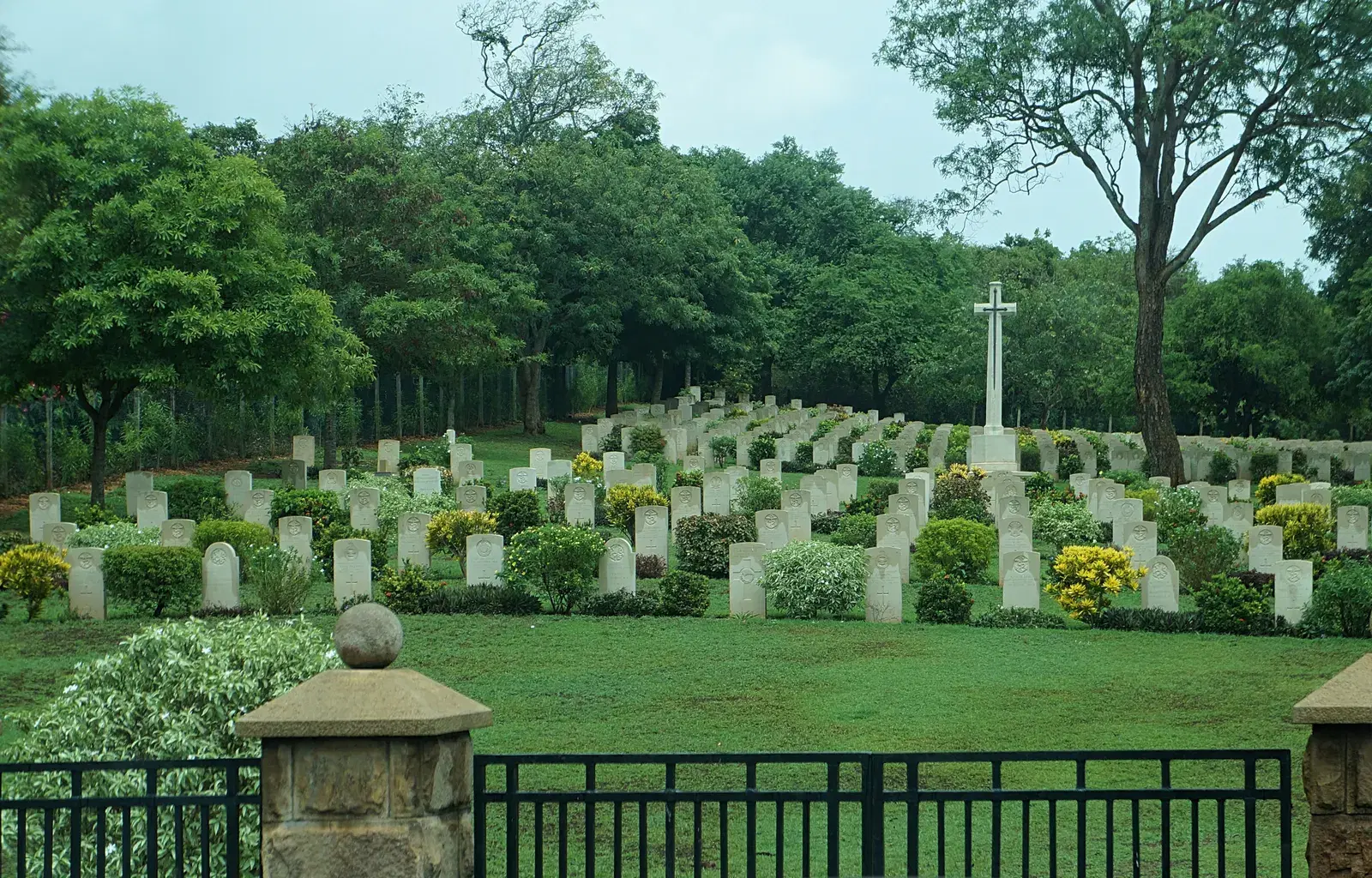
Trincomalee sits on one of the finest natural deep-water harbours in the world, and that single geographic fact has driven most of its history: the Portuguese, Dutch, French, and British all fought over control of it, and during the Second World War it became a major Allied naval base, headquarters for Admiral Lord Louis Mountbatten's South East Asia Command. In April 1942, Japanese carrier aircraft attacked the harbour directly, sinking the aircraft carrier HMS Hermes offshore with significant loss of life — a war cemetery in the town still marks that history today.
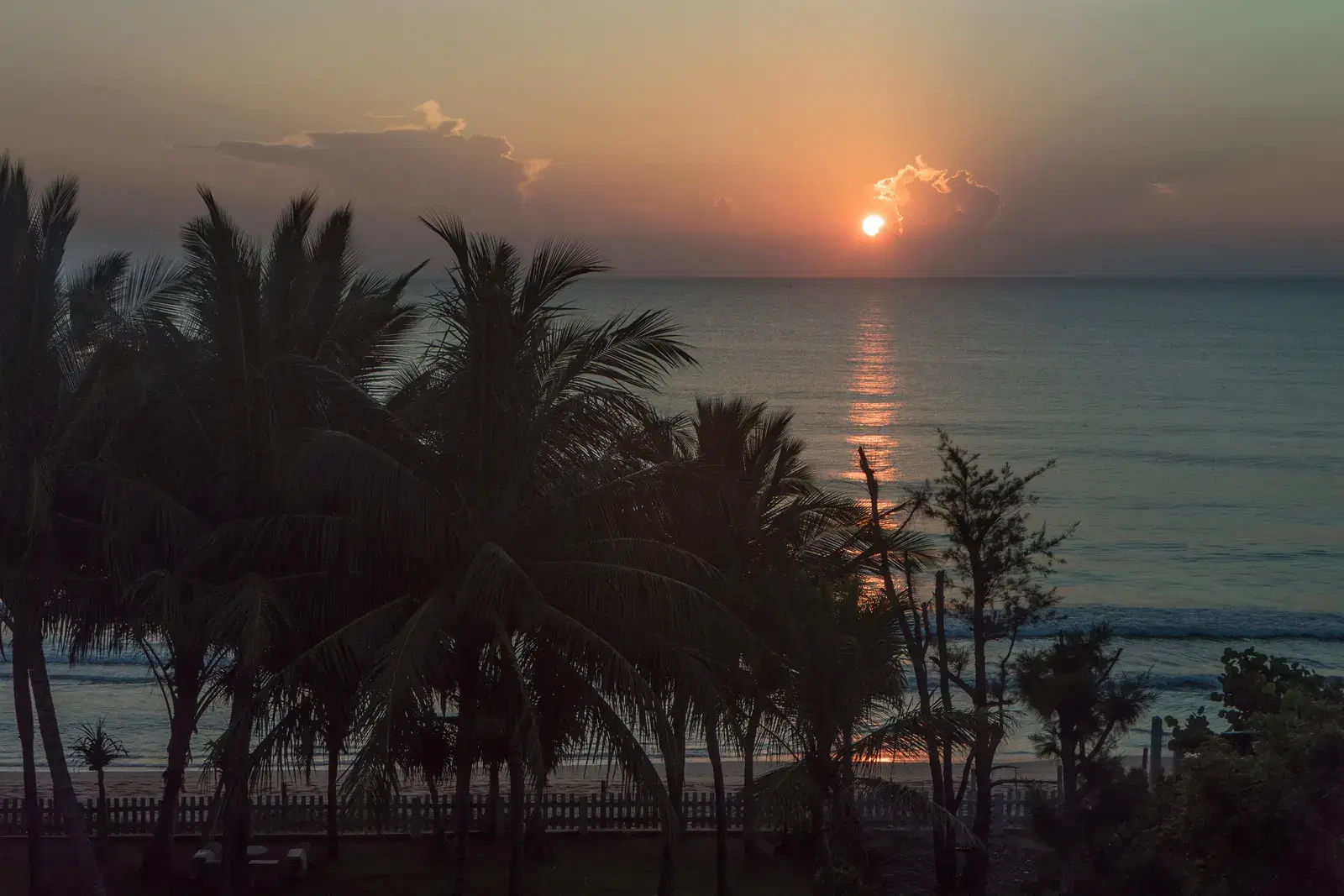
None of that is what draws most visitors now. Trincomalee's modern reputation rests on Pigeon Island's coral reef, the calm, whitesand beaches at Nilaveli and Uppuveli just north of town, and a May–October blue whale and sperm whale season that overlaps with exactly the months the rest of the island's west and south coasts are having their worst weather — the same east-coast shoulder-season logic that makes Arugam Bay work for surfers applies here for wildlife.
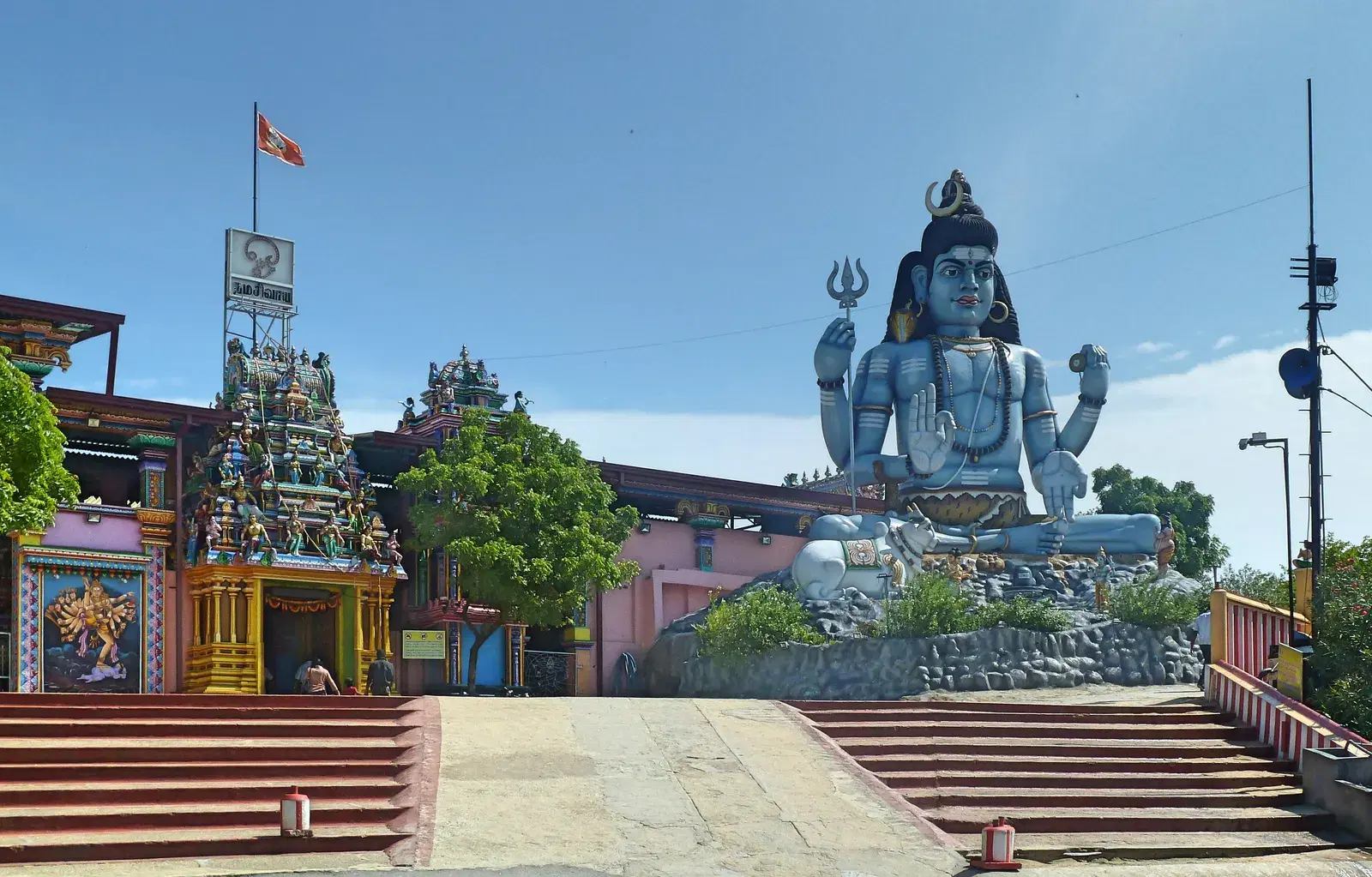
It's also a genuinely different part of the country culturally, with a significant Tamil and Hindu population and Koneswaram Temple — one of Hinduism's most important sites in Sri Lanka — perched on a dramatic clifftop rock above the harbour. The east coast took longer to recover its tourism infrastructure after the civil war than the south, so Trincomalee still feels less developed and more genuinely local than Sri Lanka's more established beach circuits.
Why go to Trincomalee
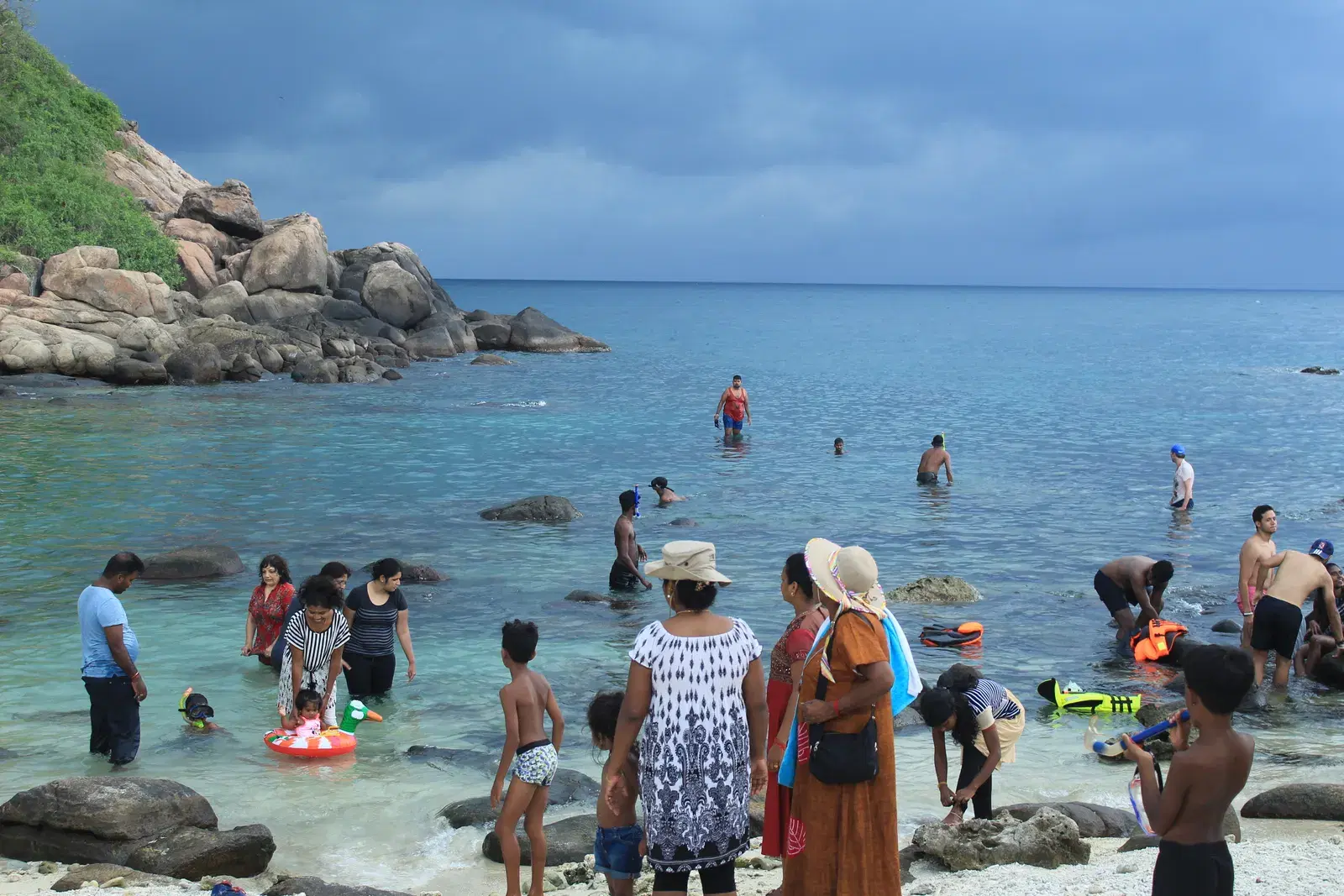
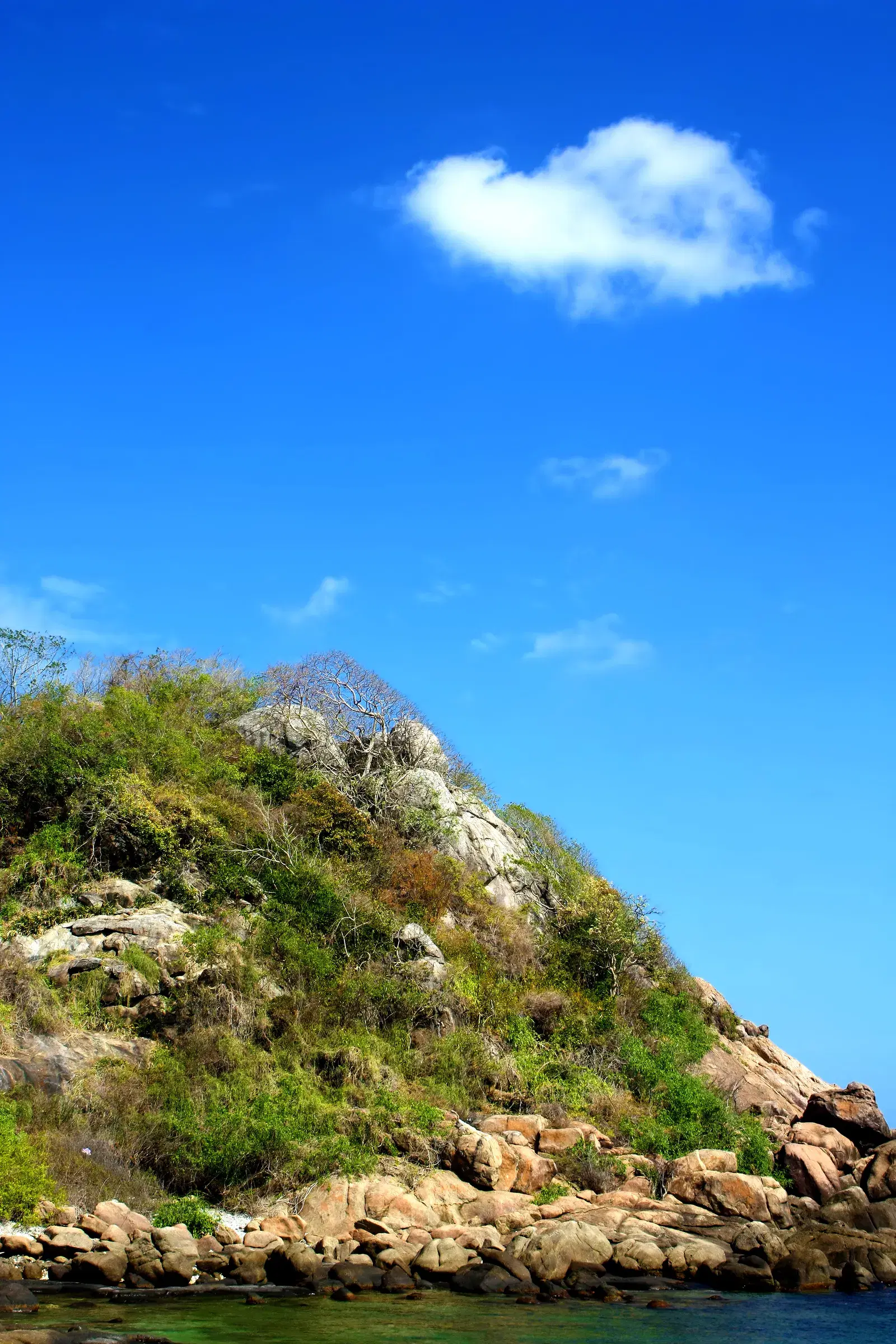
- Pigeon Island National Park is one of the most accessible places in Sri Lanka to snorkel a genuinely healthy coral reef, with reef sharks and turtles regularly spotted.
- The May–October whale season here overlaps with the coasts elsewhere at their wettest, giving Trincomalee its own reliable shoulder-season niche.
- Koneswaram Temple, on a dramatic clifftop above the harbour, is one of Sri Lanka's most important Hindu pilgrimage sites and one of the most striking single settings on this list.
- It's one of the finest natural harbours on Earth, with genuine World War II history layered on top of centuries of colonial contest for control of it.
How to get to Trincomalee
From Habarana — Train or private car
About 80km, roughly 2–2.5 hours by road — the most common route if you're combining Trincomalee with the Cultural Triangle. A direct train also runs between Habarana and Trincomalee.
From Kandy — Private car or bus
About 156km, roughly 3.5–4.5 hours by road.
From Colombo / Bandaranaike Airport — Private car or bus
About 256km, roughly 5–6 hours either way. This is a genuinely long journey; most travelers combine it with a Cultural Triangle stop en route rather than driving here directly from Colombo.
From Polonnaruwa — Bus or private car
About 105km, roughly 2.5–3 hours by road — a workable link if you're touring the Cultural Triangle before heading to the east coast.
Best time to visit Trincomalee
| Months | Rainfall | Crowds | Verdict |
|---|---|---|---|
| May – Oct | Low (east coast dry season) | Rising | The core season for both calm beach weather and the best whale-watching window — exactly when the west and south coasts are at their wettest. |
| Mar – Apr | Low, transitional | Lower | The whale season is starting to open up, with generally good conditions and fewer visitors than peak months. |
| Nov – Feb | Higher, northeast monsoon influence | Low | This is the wrong season to plan a Trincomalee trip around — rougher seas make Pigeon Island trips and whale watching unreliable, and the coast is genuinely wetter than the rest of the island in this window. |
Things to do in Trincomalee
Pigeon Island National Park
A genuinely healthy reef by Sri Lankan standards, with reef sharks, sea turtles, and a real variety of coral and fish visible with just a mask and fins. Tickets are sold directly by the Wildlife Department at the beach hut — you don't need a broker or agent, despite what some boat touts imply. Morning trips generally have calmer water and better visibility.
Whale and dolphin watching
Blue whales, sperm whales, and dolphins are regularly sighted off Trincomalee from roughly May to October, with April and May often cited as a particularly strong window. As with Mirissa on the south coast, choose a named operator who limits approach distance and doesn't crowd a single sighting with multiple boats — the same responsible-operator considerations apply here.
Koneswaram Temple, Swami Rock
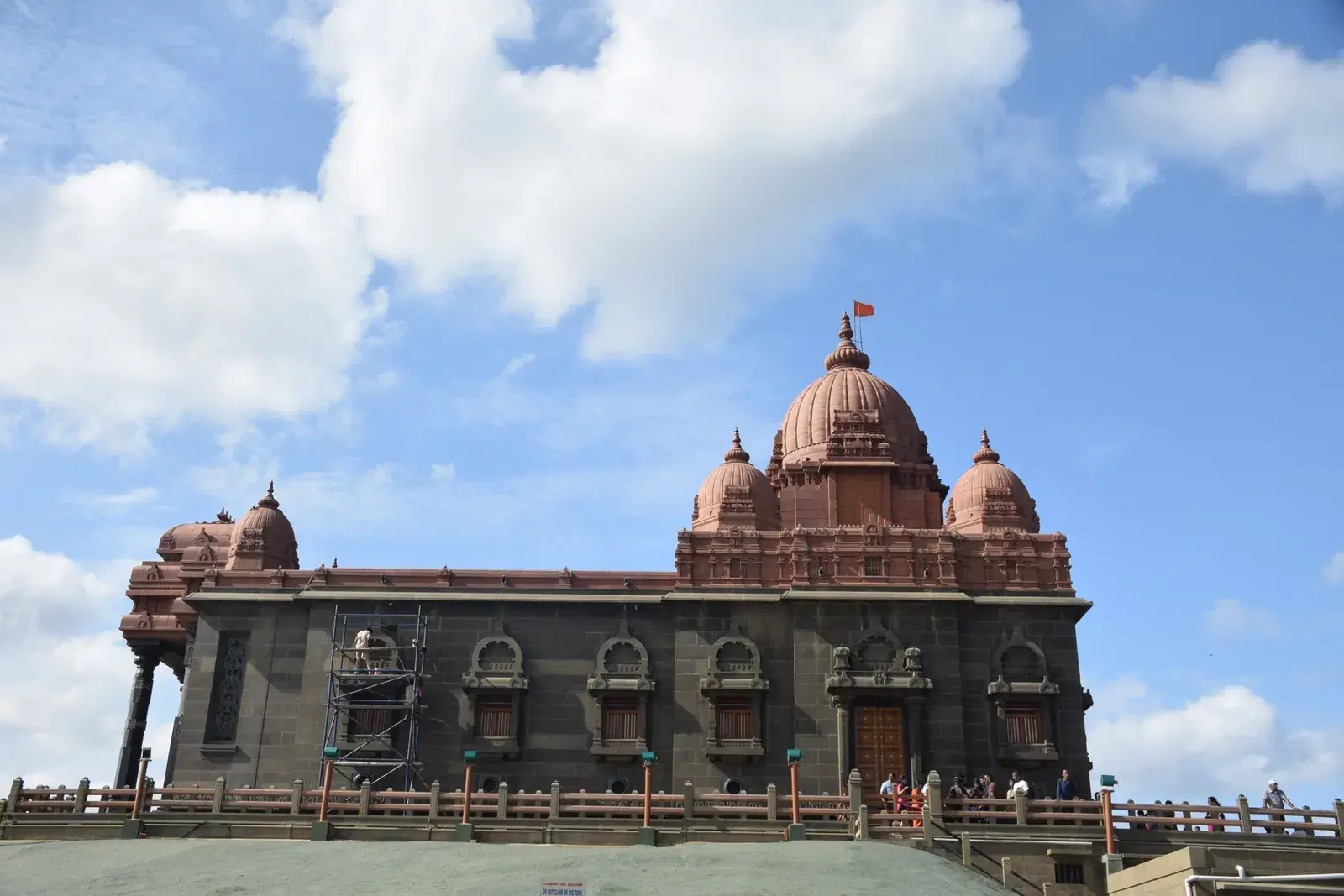
One of the most important Hindu temples in Sri Lanka, historically referred to as the "Temple of a Thousand Pillars," set on a dramatic clifftop known as Swami Rock overlooking Trincomalee Bay. The original temple, with a documented history of worship stretching back over 2,000 years, was destroyed by Portuguese colonizers in the early 17th century; the current temple was rebuilt afterward. The cliff edge itself is known locally as Lover's Leap, tied to a well-known local legend — ask a temple attendant for the story rather than relying on a single definitive version.
Fort Frederick
A colonial fort built in the 1600s, still an active military area today, but open to visitors walking through to reach Koneswaram Temple. Spotted deer wander the grounds semi-freely, a genuinely unexpected sight inside a working fort. Don't feed them, and stay on the designated paths given the site's continued military use.
Trincomalee War Cemetery
A Commonwealth war cemetery commemorating Allied personnel who died in the region during the Second World War, including losses connected to the April 1942 Japanese air raid on the harbour that sank HMS Hermes. A quiet, well-kept site and a genuine, lesser-known piece of Sri Lanka's wartime history.
Nilaveli and Uppuveli beaches
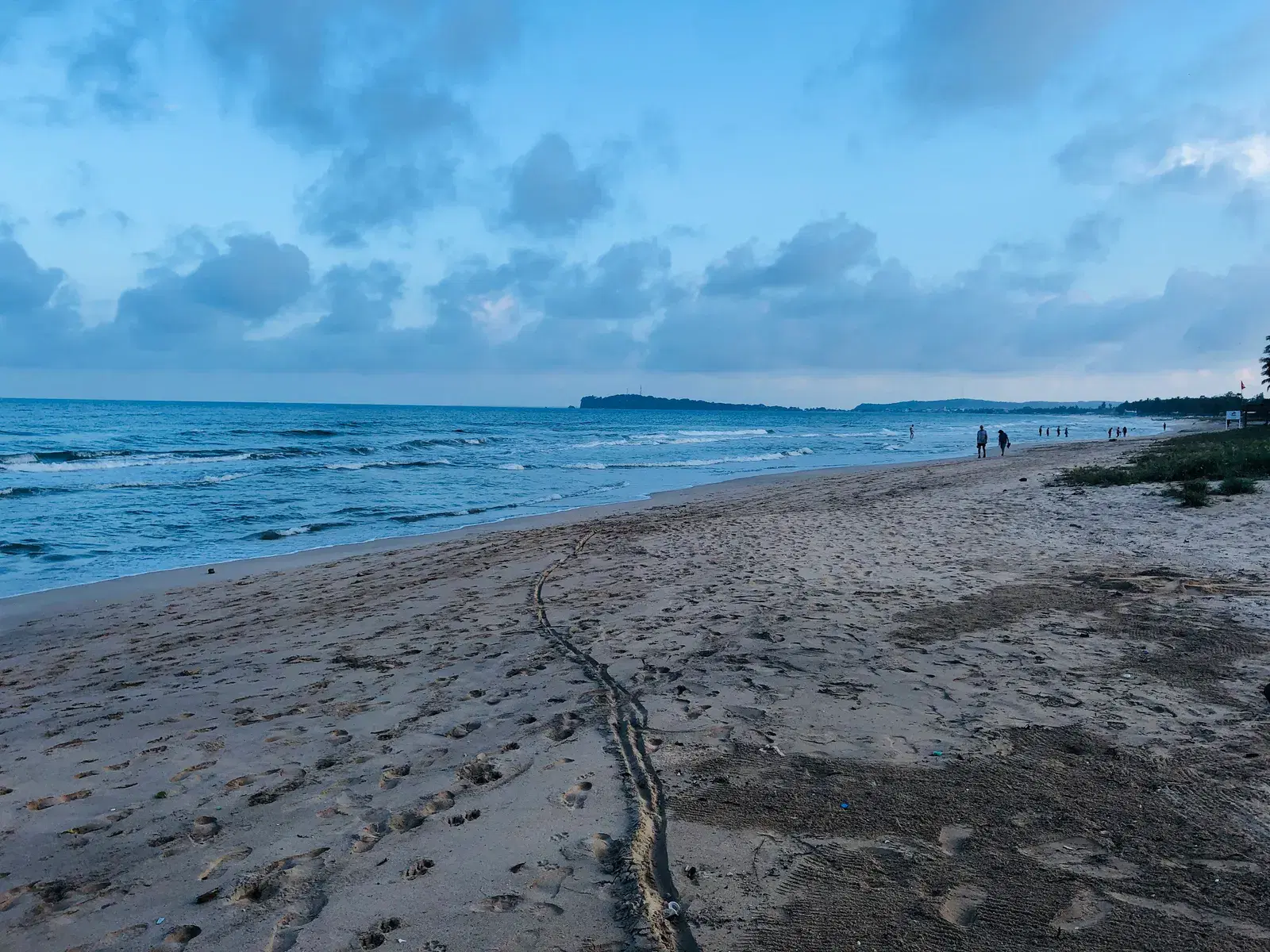
Long, quiet, white-sand beaches just north of Trincomalee town — Nilaveli is the longer and quieter of the two, and doubles as the departure point for Pigeon Island trips. Both are genuinely uncrowded compared to the south coast's more established beach towns.
Kanniya Hot Springs
Seven small square wells with naturally warm water, a short drive from town, with genuine local and religious significance attached to the site. It's a minor stop rather than a spa experience, but an easy, low-cost addition if you're already touring the area.
Where to stay in Trincomalee
Budget — Nilaveli
- Theepans Home — Good value, clean, close to the beach and restaurants, with a large garden setting.
Mid-range — Nilaveli
- Woody Crest Hotel — From around $21/night, with an on-site restaurant and bar.
High-end — Kuchchaveli / north of Nilaveli
- Jungle Beach an Uga Experience — A design-led beachfront resort north of Nilaveli, roughly 6.5km from Pigeon Island.
- Nilaveli Beach Hotel — A well-established beachfront property with multiple dining options.
Where to eat in Trincomalee
Seafood restaurants around Nilaveli
Lobster, crab curry, cuttlefish, giant prawns
~LKR 1,500–4,000
Family Restaurant
Devilled dishes and kottu, budget-friendly
~LKR 600–1,200
Rice 'n' Curry Restaurant
Kottu and local rice and curry
~LKR 600–1,200
Getting around Trincomalee
Trincomalee town, Nilaveli, and Uppuveli are spread out enough that a tuk-tuk is the standard way to move between them.
For Pigeon Island, boats depart from Nilaveli beach itself — no separate transfer to a marina is needed.
If you're combining Koneswaram Temple, Fort Frederick, and the War Cemetery in town with a beach stay in Nilaveli, a hired tuk-tuk or driver for the day is more efficient than arranging each leg separately.
What it costs — daily budget
| Tier | Per day (USD) | Per day (LKR) | Includes |
|---|---|---|---|
| Backpacker | $30–45 | ≈ LKR 9,000–13,500 | Budget guesthouse, local meals, Pigeon Island entrance and boat, occasional tuk-tuk. |
| Mid-range | $65–110 | ≈ LKR 19,500–33,000 | Mid-range beach hotel, restaurant meals, a whale watching tour, regular tuk-tuk use. |
| Comfort | $150–300+ | ≈ LKR 45,000–90,000+ | Design-led beachfront resort stay, a private whale watching or Pigeon Island charter, dining at your property. |
Safety and scams in Trincomalee
Trincomalee is low-risk in the usual crime sense — the main practical considerations are sea conditions and standard boat-fare negotiation.
Sea conditions worsen significantly outside the May–October dry season; check current conditions before booking Pigeon Island or whale watching trips rather than assuming the calm season year-round.
As with Mirissa, whale-watching operator quality varies — choose a named, responsibly reviewed operator rather than the first tout who approaches you.
Fort Frederick remains an active military area; stay on designated visitor paths rather than wandering off them.
If you're prone to seasickness, treat a whale-watching trip as a genuine open-water outing, not a gentle boat ride — take medication in advance if needed.
Hidden gems near Trincomalee
- Trincomalee War Cemetery — A quiet, well-kept memorial that most visitors focused on beaches and reefs never think to visit.
- Kanniya Hot Springs — A minor but genuine local curiosity, easy to add to a day already spent touring the town.
- Uppuveli over Nilaveli — Slightly closer to town and marginally quieter, a reasonable alternative base if Nilaveli's growing popularity puts you off.
Suggested Trincomalee itineraries
1 day
The essentials: Morning Pigeon Island snorkeling trip from Nilaveli, afternoon rest, sunset at Koneswaram Temple.
2 days
Day 1: Pigeon Island in the morning, beach afternoon at Nilaveli.
Day 2: Whale watching tour (seasonal), Koneswaram Temple and Fort Frederick in town.
3 days
Day 1: Pigeon Island snorkeling trip.
Day 2: Whale watching tour if in season, otherwise a second Pigeon Island trip or beach day.
Day 3: Koneswaram Temple, Fort Frederick, the War Cemetery, and Kanniya Hot Springs before departing.
Where to go next from Trincomalee
Trincomalee FAQ
How much does it cost to visit Pigeon Island?
Around $10 USD entrance for foreign adults plus an $8 service charge per group, purchased directly from the Wildlife Department hut on Nilaveli beach. Boat transfer runs roughly LKR 1,500–1,800 per person, or around LKR 15,000 for a private boat.
When is whale watching season in Trincomalee?
Roughly May to October, with April and May sometimes cited as a particularly strong window. This overlaps with the months the west and south coasts have their worst weather, giving Trincomalee its own reliable seasonal niche.
How do I get to Trincomalee?
The most common route is via Habarana, about 80km and 2–2.5 hours by road, connecting easily to a Cultural Triangle trip. Direct from Colombo, expect a genuinely long 5–6 hour journey.
What is Koneswaram Temple?
One of Sri Lanka's most important Hindu temples, set on a dramatic clifftop above Trincomalee Bay, with a documented history of worship stretching back over 2,000 years. The original structure was destroyed by Portuguese colonizers in the 17th century and later rebuilt.
Is Nilaveli or Uppuveli better as a beach base?
Nilaveli is longer and generally considered quieter, and it's the departure point for Pigeon Island trips. Uppuveli is closer to Trincomalee town and a reasonable alternative if you want slightly easier access to the temple and fort sites.
How many days do I need in Trincomalee?
One full day covers Pigeon Island. Two or three let you add whale watching (seasonal) and the temple, fort, and war cemetery sites in town without rushing.
Is the coral reef at Pigeon Island in good condition?
Genuinely healthier than many other Sri Lankan reef sites, with reef sharks and turtles reliably spotted — one of the better snorkeling experiences on the island for that reason.
What is Trincomalee's history with World War II?
The harbour was a major Allied naval base and served as headquarters for Admiral Lord Louis Mountbatten's South East Asia Command. In April 1942, Japanese carrier aircraft attacked the harbour and sank the aircraft carrier HMS Hermes offshore — a Commonwealth war cemetery in town still commemorates those losses.